Last updated October 31, 2026
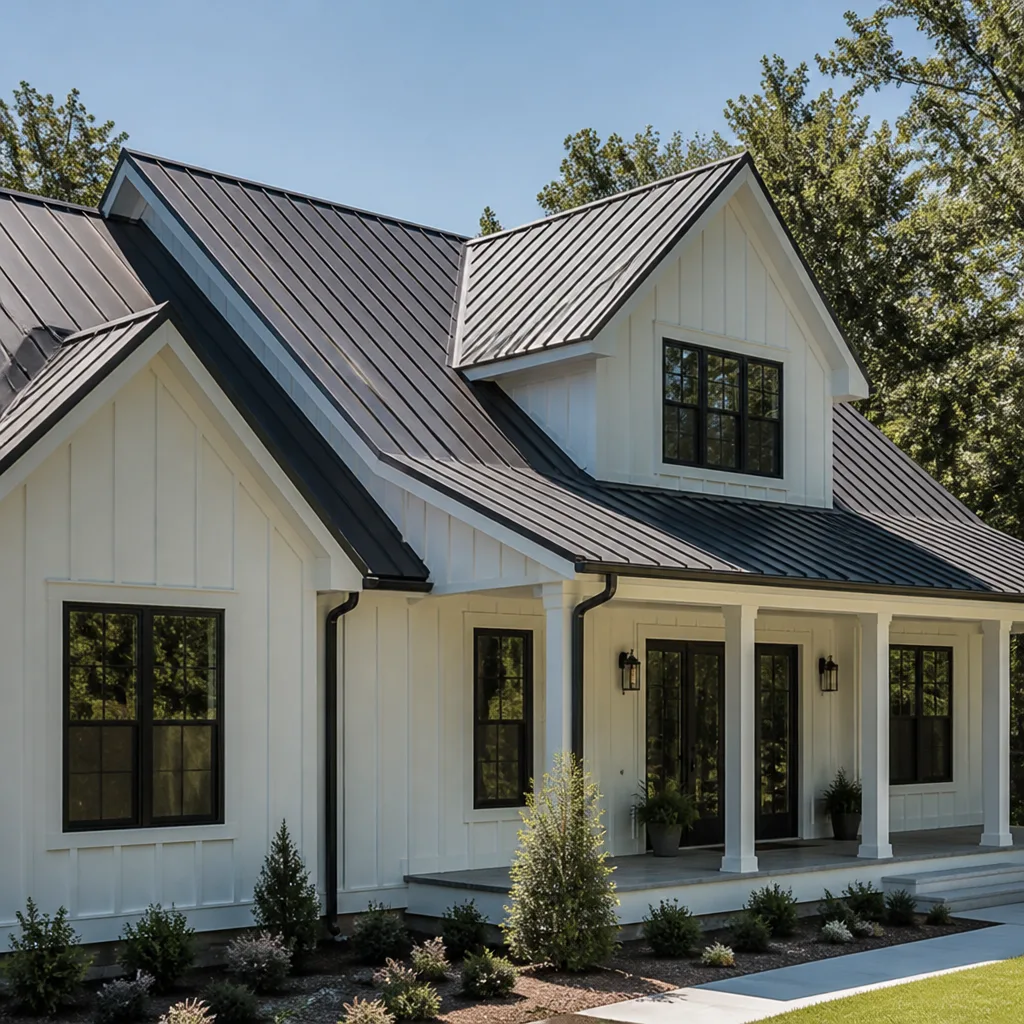 Metal roofing
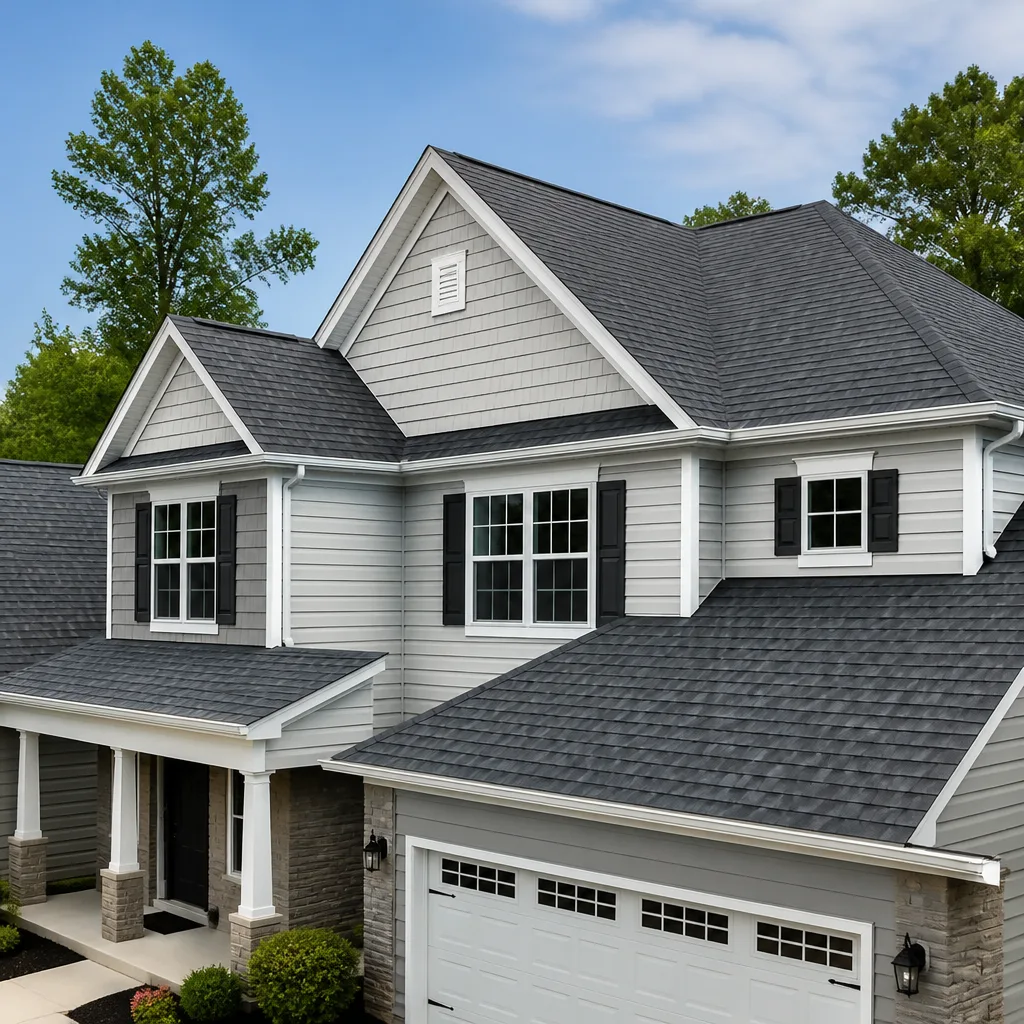 Architectural shingles
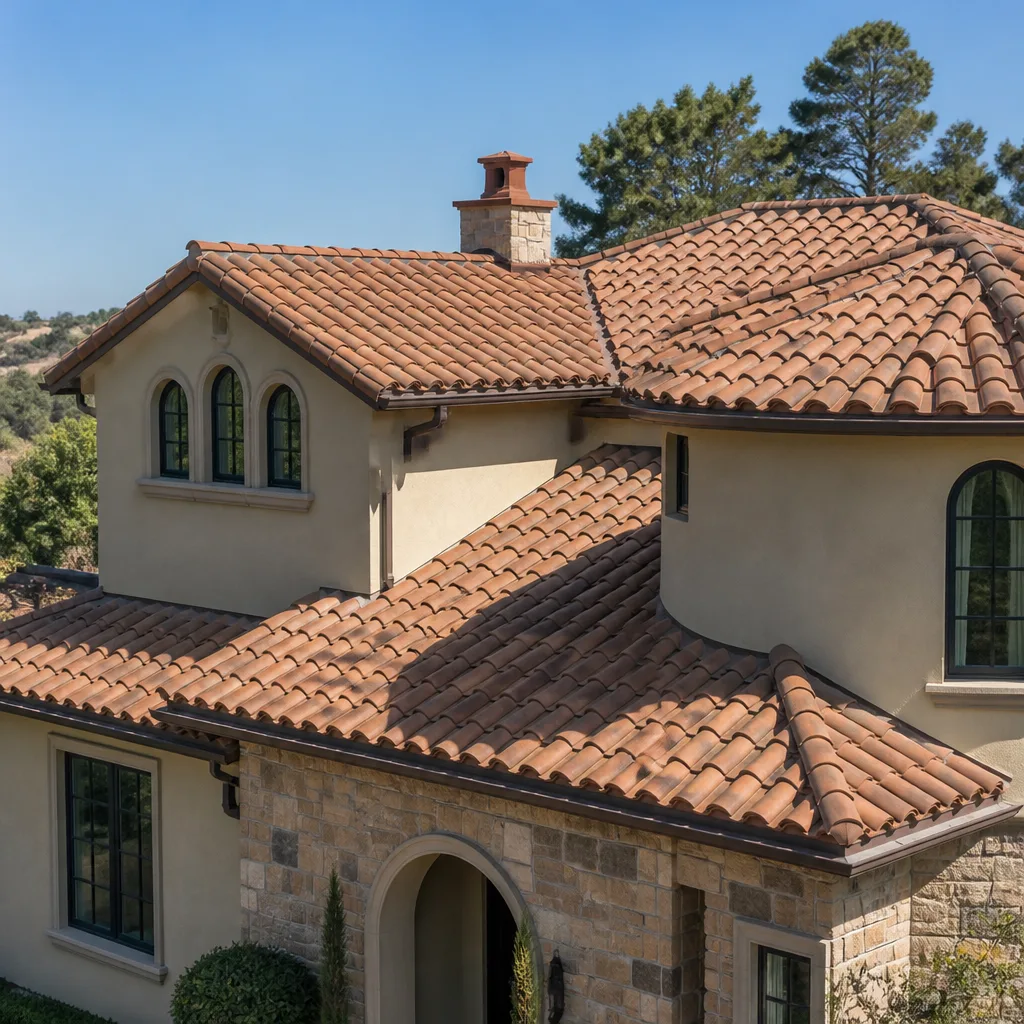 Tile roofing
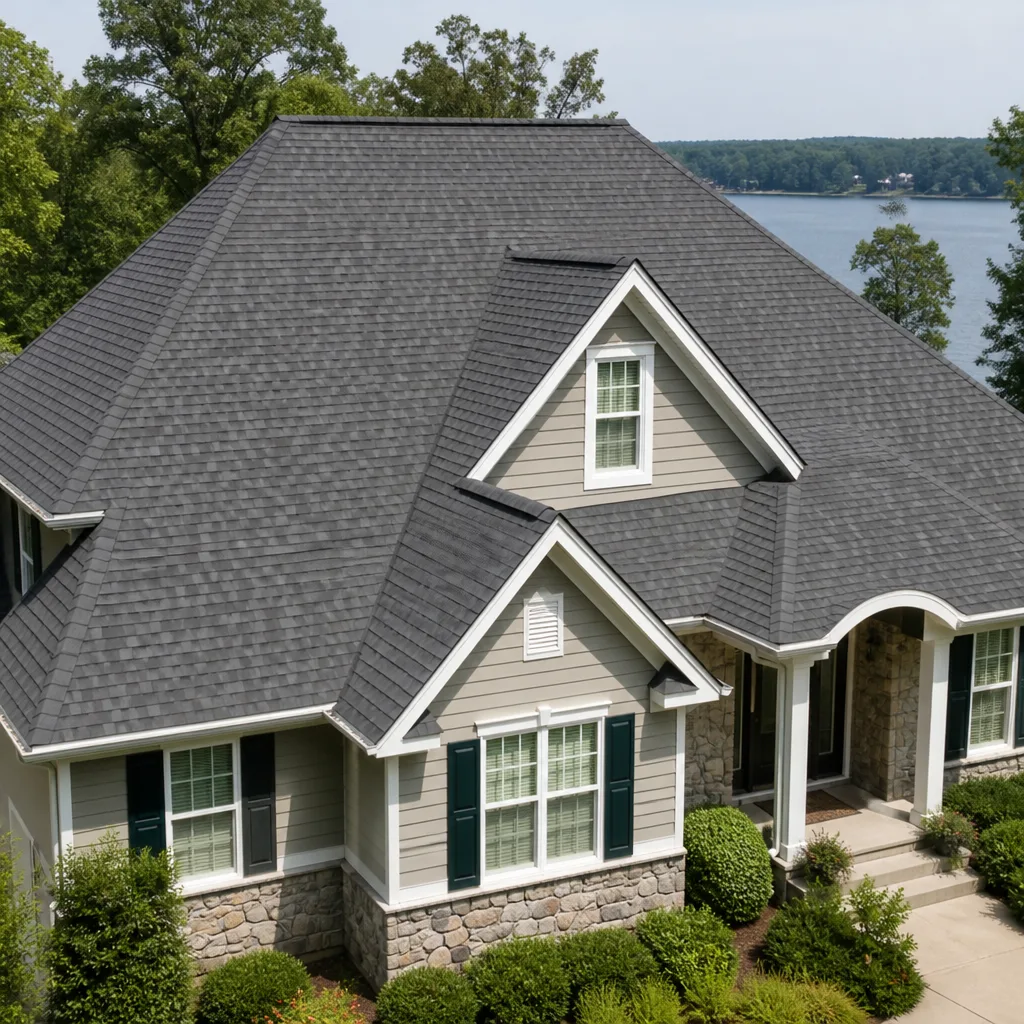 GAF
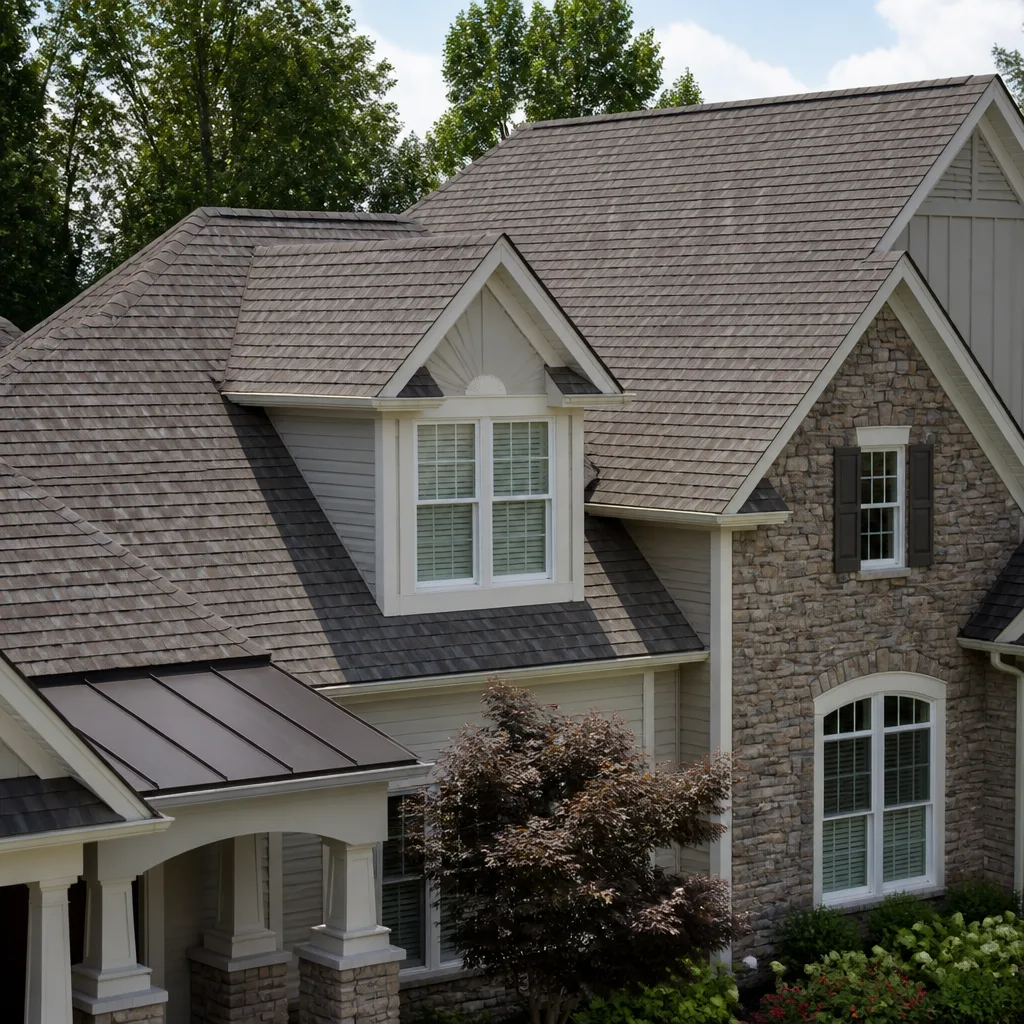 Owens Corning
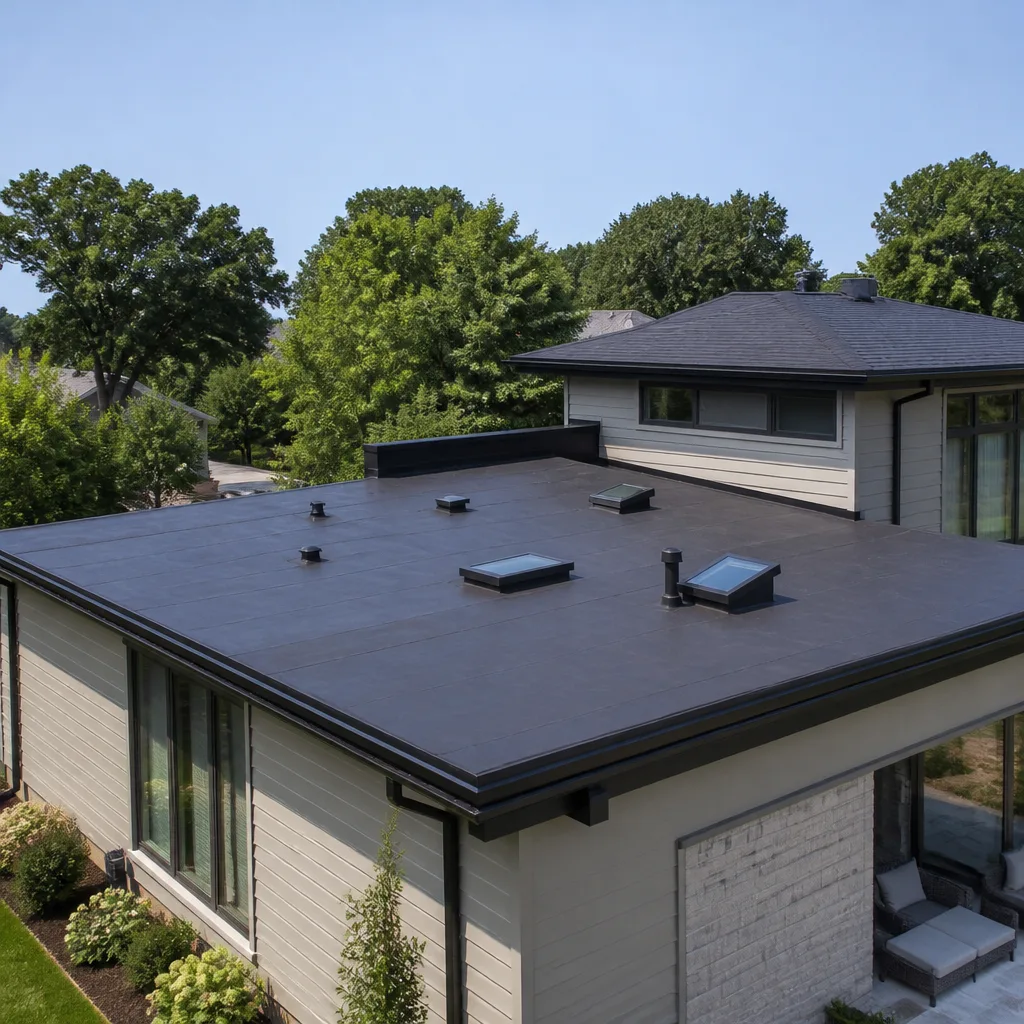 Flat & low-slope
Free roof inspection with deck photos before we talk money - GAF and Owens Corning certified installation
Choosing the Right Roofing Brand: A Buyer’s Guide for Temecula
The brand name stamped on your shingle bundle matters far less than the specific product line inside it, and that distinction costs Temecula homeowners real money every year. A premium-brand entry-level shingle often performs below a mid-tier brand’s best product, yet homeowners anchor to the logo and overpay for the name. This guide breaks down what actually separates roofing brands in Temecula’s climate: wind uplift ratings, granule adhesion chemistry, warranty transfer language, and the spec-sheet numbers most contractors never mention. For a deeper dive, see The Complete Guide to Roofing in Temecula.
Quick Answer
The best roofing shingle brand for a Temecula home is the one whose specific product line matches your roof’s wind exposure, sun orientation, and budget, not the brand with the biggest marketing budget. Priorities for most Temecula homes are a Class 4 impact rating, wind certification of 110 mph or higher, and algae resistance, with GAF, CertainTeed, and Owens Corning consistently leading on warranty transferability and granule retention in inland Southern California conditions.
Styles & brands we work with
Table of Contents
- Why the Brand Name Matters Less Than the Product Line
- What Temecula’s Climate Actually Does to Shingles
- How to Read a Shingle Spec Sheet for Temecula
- Performance Comparison: Seven Brands, One Desert Climate
- Why the Same Brand’s Entry and Premium Lines Differ
- Cool Roof Requirements and Color Selection in Temecula
- Warranty Language: What ‘Lifetime’ Actually Means
- Common Mistakes to Avoid
- When to Call a Professional
- Frequently Asked Questions
Why the Brand Name Matters Less Than the Product Line
Every major shingle manufacturer sells a range of products that share a brand name but not much else. A GAF Timberline HDZ and a GAF Royal Sovereign both say GAF on the wrapper. The first is a laminated architectural shingle with a fiberglass mat weight around 105 grams per square meter and a 110 mph wind warranty when installed with the prescribed nailing pattern. The second is a three-tab shingle with a lighter mat, a 60 mph wind rating, and roughly half the expected service life. Same brand, completely different roof.
We see this confusion constantly when we inspect roofs across Temecula, from Redhawk to Harveston to the older homes along Rancho California Road. A homeowner will tell us they have a CertainTeed roof, and that’s true, but the CertainTeed XT25 on their home from 2009 has little in common with today’s CertainTeed Landmark Pro beyond the logo. The brand relationship matters for warranty purposes, but the product line determines how the roof actually performs.
What this means for your purchase decision is simple: research the product line first, and the brand second. The right question isn’t “Which brand is best?” It’s “Which product line within my budget has the wind rating, impact class, and granule retention numbers I need for my specific roof?” That question leads to better decisions because it strips away brand loyalty and forces the comparison onto measurable performance.
Baycrest carries seven major manufacturers: GAF, CertainTeed, Owens Corning, IKO, Atlas, Tamko, and Boral. That breadth matters for exactly this reason. When a contractor carries one or two brands, their recommendation is limited by what they stock, not what your roof needs. Seven brands, one right answer means we can match the product to your roof rather than the other way around.
What Temecula’s Climate Actually Does to Shingles
Temecula sits in a unique climate band. We get sustained summer temperatures above 95 degrees for weeks at a time, strong Santa Ana wind events that funnel through the Temecula Valley from the northeast, and UV exposure that ranks among the highest in California for inland communities. All three factors attack shingles differently, and they dictate different performance priorities than a coastal roof or a mountain roof would.
UV radiation is the primary degradation mechanism here. The sun oxidizes the asphalt in the shingle mat, which releases the volatile oils that keep shingles flexible. Once those oils bake out, the shingle becomes brittle, the granules let go, and the roof enters accelerated decline. In Temecula’s inland climate, this process runs faster than in coastal San Diego. A shingle that retains its granules well at year ten under our sun is worth more than a shingle with a longer nominal warranty but weaker granule adhesion at year ten.
Wind is the second major factor. The Santa Anas hit Temecula with gusts that routinely exceed 60 mph through the passes between Wine Country and Murrieta. Shingles that are only rated for 60 mph uplift will lift along the eaves and rake edges during these events, letting water underneath. Once that happens once, the seal strip is compromised permanently, and every subsequent wind event makes it worse.
Third, thermal cycling tests the bond between shingle layers. Temecula swings from daytime highs in the high 90s to overnight lows in the 50s during summer. That expansion and contraction stresses the adhesive bond between laminated shingle layers. Cheaper laminated shingles with thinner adhesive strips delaminate faster here than they would in a more stable climate. We see delamination at year eight or nine on entry-grade architectural shingles in Temecula neighborhoods like Paloma del Sol, where the same product on a coastal home would hold for twelve.
How to Read a Shingle Spec Sheet for Temecula
Most homeowners never see the spec sheet for the shingle they’re buying. The contractor shows them a board of color samples or a brochure with lifestyle photos, and the actual performance data stays on the manufacturer’s website where few people know to look. Here’s how to read that data with a Temecula lens.
The three numbers that matter most for this climate are the Class 4 impact rating, the wind uplift certification in mph, and the algae resistance rating. These appear on every major manufacturer’s technical data sheet, and they’re directly comparable across brands because they’re tested to the same standards.
- Class 4 impact rating (UL 2218 standard) measures resistance to hail impact. Class 4 is the highest rating, tested by dropping a two-inch steel ball on the shingle from twenty feet. Homes in Temecula get occasional hail from spring thunderstorms moving through Wine Country, and a Class 4 rating also signals a denser, more robust shingle generally. GAF’s Timberline AS II, CertainTeed’s Landmark Plus, and Owens Corning’s TruDefinition Duration Storm all carry Class 4.
- Wind uplift certification is expressed either as mph (ASTM D7158) or as a rating class (ASTM D3161). For Temecula, look for ASTM D7158 Class H (150 mph) or a manufacturer-specific rating of at least 110 mph with a written wind warranty. GAF’s Timberline HDZ under Zone-2 nailing carries a 110 mph limited wind warranty as standard. CertainTeed’s Landmark Pro hits 110 mph under a 4-nail pattern and 130 mph under a 6-nail pattern. These certifications matter more than any marketing language about “high wind” because they define the exact test conditions and pass threshold.
- Algae resistance matters more in shaded canyons and north-facing slopes with mature tree cover, where blue-green algae can streak a roof within a few years. The copper-infused or zinc-infused granules that prevent algae add cost, but in shaded parts of Temecula, Redhawk, and Meadowview, they add visible years of clean appearance. GAF and CertainTeed both use proprietary copper-based granule treatments across most of their architectural lines now, which means algae resistance is increasingly standard rather than optional.
Beyond those three numbers, check the fiberglass mat weight, which most technical data sheets list in grams per square meter or pounds per square. The mat is the structural skeleton of the shingle. More weight means more tensile strength and tear resistance during installation and service. A mature architectural shingle typically runs 100 to 120 grams per square meter. Entry-level three-tabs run 80 to 90. That difference shows up as cracking and splitting at year fifteen versus year nine.
Performance Comparison: Seven Brands, One Desert Climate
Here’s how the major manufacturers’ performance-tier architectural shingles stack up on the metrics that matter for Temecula. We install from all seven of these brands, and the honest answer is that most houses in this valley can be well-served by three or four of them depending on roof geometry, budget, and warranty priorities.
GAF Timberline HDZ and Timberline AS II
GAF’s HDZ line uses a proprietary granule blend with higher ceramic granule density than the previous HD line, which addressed a known granule-shedding complaint from hot climates. The HDZ carries a 110 mph wind warranty out of the box. The AS II adds Class 4 impact resistance and is the right choice for homes near open ridgelines or equestrian areas where wind-driven debris is more common. GAF’s warranty structure is among the most transferable in the industry, with an outgoing homeowner able to transfer coverage through a simple process.
CertainTeed Landmark and Landmark Pro
CertainTeed’s Landmark line has historically shown strong granule retention in hot-climate testing, and the Pro version adds a heavier fiberglass mat that we see reflected in fewer cracked shingles at the twelve- to fifteen-year mark on Temecula homes. Landmark Pro carries a 110 mph wind rating under 4-nail installation and 130 mph under 6-nail, which matters for two-story homes with high eaves on the windward side. CertainTeed’s color palette includes a strong selection of lighter reflective colors that help with cool roof compliance.
Owens Corning TruDefinition Duration
Duration shingles use Owens Corning’s SureNail fabric reinforcement strip, which changes the load path during wind events and allows a 130 mph rating with a standard 4-nail pattern. That’s a meaningful installation advantage: fewer nails, higher wind resistance, less variability from exact nailing placement. The Duration line also shows good granule retention under sustained UV exposure, which suits Temecula’s long summers. Owens Corning’s Total Protection Roofing System warranty is among the most comprehensive when the full system is installed, though it requires the company’s branded underlayment and starter.
IKO Cambridge and Dynasty
IKO positions Cambridge as a value-priced architectural shingle, and for budget-driven replacement projects in Temecula, it’s a legitimate option. The Dynasty line adds a heavier mat and better granule retention at a mid-tier price. IKO’s warranty transfer rights are more limited than GAF’s or CertainTeed’s, which matters if you plan to sell within the warranty window.
Atlas Pinnacle and StormMaster
Atlas uses a process called Scotchgard-protected granule coating to resist algae, which is a real differentiator on shaded lots. The StormMaster line carries a Class 4 rating and a 150 mph wind warranty, matching or exceeding the premium brands at a mid-tier price. Atlas has a smaller contractor network in Southern California, which means availability can be spottier than the big three, but the product specs are competitive for Temecula’s climate.
Tamko Heritage and Titan
Tamko’s Heritage line is an entry-to-mid architectural shingle. The Titan line adds a heavier mat and improved granule retention that closes the gap to the premium brands on UV performance. Tamko warranties are straightforward but less generous on transfer terms than GAF or CertainTeed, which is a consideration for resale value.
Boral Cathedral Peak
Boral’s Cathedral Peak is a heavyweight architectural shingle that differentiates on thickness, weight, and profile. It carries a Class 4 impact rating and a 110 mph wind warranty, and the extra weight reduces flutter during high wind events. The weight also requires a properly engineered roof deck, which some older Temecula homes don’t have without reinforcement, so it’s not universal fit.
Why the Same Brand’s Entry and Premium Lines Differ
Every major manufacturer sells both a value line and a premium line under the same brand name, and the performance gap between them is larger than most homeowners assume. The difference comes down to three things: fiberglass mat weight, granule composition, and adhesive chemistry. Not the branding, not the warranty length printed on the wrapper.
Take a hypothetical brand that sells both a three-tab entry shingle and a laminated architectural shingle. The three-tab has a mat weight around 85 grams per square meter, a single-layer construction, and granule adhesion that begins to fail visibly at year eight under Temecula sun. The architectural product from the same brand has a 110-gram mat, a two-layer construction that doubles the bond line where the shingle flexes, and a granule blend that holds through year twelve or thirteen. The difference on the roof is roughly five years of functional life, and it comes from the material composition, not the logo.
This matters because the value line still carries the brand’s name and a “lifetime” limited warranty in many cases, which creates the illusion of equivalence. But the warranty protection is prorated after the first decade, and the actual failure mode, granule loss, is specifically excluded from most of these warranties. In practice, a value-line shingle that loses granules at year eight creates an aesthetic problem that no warranty compensates for, and the homeowner is heading toward replacement a full decade before the premium product would have needed attention.
At Baycrest, this is why we inspect first and recommend second. In our experience across Temecula, the honest recommendation is often a mid-tier architectural shingle from whichever manufacturer matches the roof’s specific needs, not the cheapest product we can sell or the most expensive one either. Repair when repair is honest, replace when replacement is necessary.
Cool Roof Requirements and Color Selection in Temecula
California’s Title 24 building energy code sets minimum solar reflectance and thermal emittance values for roofing materials on new construction and on re-roofing projects when the roof area exceeds certain thresholds. For Temecula’s inland Southern California climate zone, the requirements are real compliance drivers, not suggestions. The result is that shingle color choice is not purely aesthetic anymore.
The CRRC (Cool Roof Rating Council) maintains the database of rated roofing products, and every major shingle manufacturer submits colors for certification. Lighter shingle colors and specialized reflective granule blends achieve higher solar reflectance values, which reduce attic temperatures, reduce cooling loads, and keep the shingle itself cooler, which extends its life. A shingle surface that stays 30 degrees cooler than a dark shingle retains granules longer because the asphalt mat oxidizes more slowly.
Practically speaking, the options break into tiers. CertainTeed’s Landmark Solaris and GAF’s Timberline CS (Cool Series) are purpose-built cool roof shingles with a wide color palette of CRRC-rated options. Owens Corning offers a strong selection of lighter Duration colors that meet or exceed Title 24 requirements. IKO, Atlas, Tamko, and Boral all have qualifying colors in their architectural lines, but the palette of rated colors is narrower.
For a Temecula homeowner, the practical guidance is to look at the CRRC rated product list before falling in love with a dark charcoal shingle. Dark shingles on a west-facing roof in Temecula will run hotter, degrade faster, and may not comply with code on a re-roof where the project triggers Title 24. A medium-tone shingle with a reflective granule blend from any of the major manufacturers typically satisfies compliance while giving a more traditional appearance than white or very light colors.
The wider CRRC-rated palette from CertainTeed and Owens Corning is a real advantage when color flexibility matters. We match the material to your roof, not your roof to our inventory, and in the cool roof context that means we can usually find a compliant color that fits the home’s aesthetics across multiple brands rather than forcing a single-family’s limited palette.
Warranty Language: What ‘Lifetime’ Actually Means
The word “lifetime” on a shingle warranty is doing more work than it appears to. Across all seven brands we work with, a lifetime limited warranty means the shingle is covered against manufacturing defects for as long as the original owner owns the home, with coverage that steps down significantly after a defined period, usually ten years. After that period, the manufacturer pays a prorated amount toward the replacement shingle, but not the labor, and not the tear-off, and the prorated amount shrinks each year.
The distinctions that actually matter are in the fine print:
- Transferability: GAF and CertainTeed offer robust transfer options that preserve substantial coverage for a second owner within a defined early window. Owens Corning’s transfer terms require registration. IKO, Atlas, Tamko, and Boral have more limited transfer rights. If you plan to sell within the next decade, and most Temecula homeowners do eventually sell, a transferable warranty adds real value at resale because it converts into buyer confidence during a home inspection.
- Labor coverage: The materials warranty covers the shingle. The workmanship warranty covers the installation. Some manufacturers offer enhanced systems where they also cover labor for a set period, usually the first ten years, if the roof is installed by a manufacturer-certified contractor and uses the brand’s full accessory system. GAF’s Golden Pledge and CertainTeed’s SureStart Plus are examples. These require specific installation practices and certified status, which is a benefit of working with a contractor authorized across multiple manufacturers rather than a single-brand shop.
- Wind warranty structure: The base warranty covers manufacturing defects only, not wind damage. The wind warranty is a separate endorsement with its own wind speed rating, and it only applies when the shingles were installed to the manufacturer’s exact nailing pattern and with the required starter strip. A 110 mph wind warranty installed with too few nails is not a 110 mph roof. This is why installation quality and warranty coverage cannot be separated.
- Exclusions: Granule loss is a manufacturing defect only when it’s excessive and early. Normal granule shedding over time is not covered. Hail damage is not covered. Impact from falling branches is not covered. Ice or snow damage, not relevant in Temecula but present in the fine print, is not covered. Knowing what the warranty excludes is more valuable than knowing what it includes.
The practical takeaway: choose a product with a warranty structure that matches your timeline. If you’re staying in the home long-term, prioritize granule retention and a strong wind warranty. If you’re selling within five years, prioritize transferability. A Roof Inspection in Temecula can document your roof’s condition and manufacturer specs, which makes the listing stronger when the time comes.
Common Mistakes to Avoid
- Choosing the brand before the product line. A GAF Royal Sovereign and a GAF Timberline HDZ are not the same roof. Research the specific shingle, not the logo on the bundle.
- Ignoring the wind rating because Temecula doesn’t get hurricanes. Santa Ana wind events through Wine Country and the Temecula Valley regularly exceed the 60 mph capacity of entry-level shingles, and the damage accumulates over repeated events.
- Paying extra for a premium brand’s entry-level shingle when a mid-tier brand’s performance product costs the same or less. The IKO Dynasty and Atlas Pinnacle lines both outperform entry-level products from premium brands at comparable price points for Temecula conditions.
- Assuming the warranty covers labor. Most lifetime warranties are materials-only after year ten, and labor is never covered under the base warranty. If labor coverage matters, you need an enhanced system warranty, and you need a certified installer.
- Skipping the inspection and going straight to a replacement quote. Some Temecula roofs with visible wear need repair, not replacement, and a contractor who quotes replacement without inspecting is guessing. Inspect first, recommend second.
- Overlooking the cool roof requirement. A dark shingle on a large re-roof can trigger Title 24 compliance issues in Temecula, and fixing that after installation is expensive. Check the CRRC rating before you choose the color.
- Choosing color for curb appeal without considering that color drives granule chemistry. The reflective granule blends that keep a roof cool are not available in every color across every brand. Match the color to a compliant product, not the product to the color.
When to Call a Professional
If you see granule accumulation in your gutters after rain, shingle edges curling on the sun-facing slopes, or water staining on the underside of roof decking in the attic, those are signals that the roof is entering a decision window. The honest question isn’t whether to repair or replace: it’s which option the roof’s actual condition supports, and that requires looking at the deck, the underlayment, the flashing, and the shingle condition as a system. Baycrest Roofing offers Baycrest Roofing home inspections and written estimates in Temecula that start with the inspection, not the quote. Call (866) 412-5697 for a free estimate, and we’ll tell you honestly whether Roof Repair in Temecula or Roof Replacement in Temecula is the right call.
Frequently Asked Questions
The best shingle brand for a Temecula home depends on your roof’s wind exposure, sun orientation, and budget, but GAF, CertainTeed, and Owens Corning consistently lead on the combination of wind certification, granule retention in hot climates, and warranty transferability that matter most for inland Southern California. If you’re weighing whether to tackle work yourself, read DIY vs Professional Roofing: The Temecula Homeowner’s Decision Guide. The specific product line within the brand matters more than the brand name itself.
A full roof replacement in Temecula typically falls between $14,000 and $30,000 depending on roof size, complexity, and the product line chosen, with architectural shingles from mid-tier brands landing below premium-brand architectural products from the same installer. Call (866) 412-5697 for a free estimate with a written line-item quote that covers your specific roof.
A Class 4 impact rating is not required by code in Temecula, but it’s the single best indicator of a denser, more durable shingle, and it’s worth the premium if your roof faces open exposure or you want maximum longevity out of the material investment. Class 4 products from GAF, CertainTeed, Owens Corning, and Atlas are all readily available.
California’s Title 24 energy code requires minimum solar reflectance and thermal emittance values for roofing materials on many re-roofing projects in Temecula’s climate zone, which means darker shingle colors may need to be replaced with CRRC-rated reflective colors to comply. CertainTeed and Owens Corning offer the widest palettes of compliant shingle colors.
Entry-level three-tab shingles in Temecula typically last 12 to 15 years, while premium architectural shingles with strong granule retention can reach 22 to 28 years with proper attic ventilation, depending on sun exposure and wind exposure on the specific roof. UV oxidation and Santa Ana wind events are the two primary factors that shorten roof life in the Temecula Valley.
GAF and CertainTeed offer the strongest warranty transfer provisions among major shingle manufacturers, with meaningful coverage preserved for a second owner when the transfer is executed within the specified window, while IKO, Atlas, Tamko, and Boral have more limited transfer rights. If you might sell within the warranty period, prioritize transferability.
The Bottom Line
The roofing brand decision in Temecula comes down to matching a specific product line to your roof’s wind exposure, sun orientation, and resale timeline, not picking the name everyone recognizes. A Class 4 impact rating, a 110 mph or higher wind certification, and a transferable warranty structure matter more than the logo on the wrapper. Baycrest Roofing works across seven manufacturers so the recommendation that comes out of your inspection is based on the facts of your roof. We match the material to your roof, not your roof to our inventory. For more guides & resources, visit our blog, or call (866) 412-5697 for a free estimate and a written line-item quote that makes the comparison easy.
Written by the team at Baycrest Roofing, serving Temecula since 2013.
See the difference
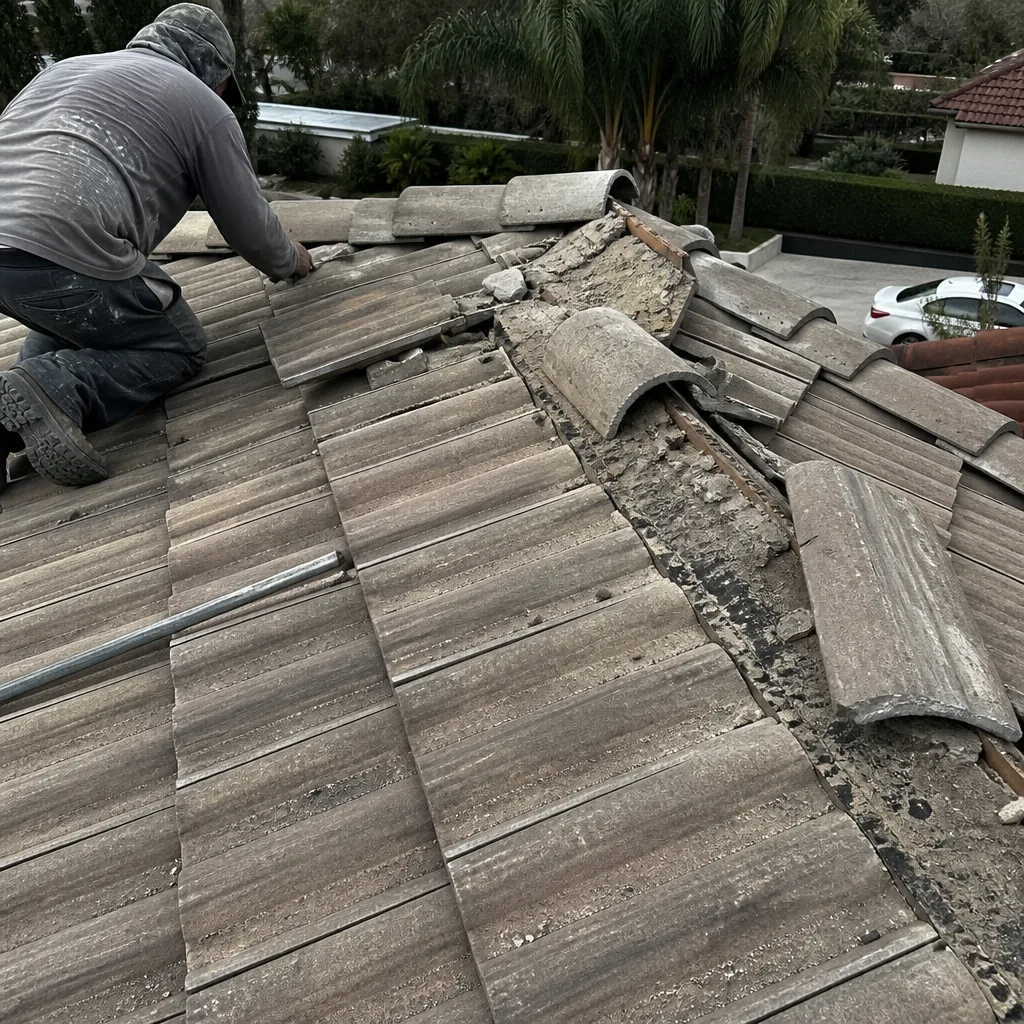 Before
 After
 Before
 After
 Before
 After