Last updated October 31, 2026
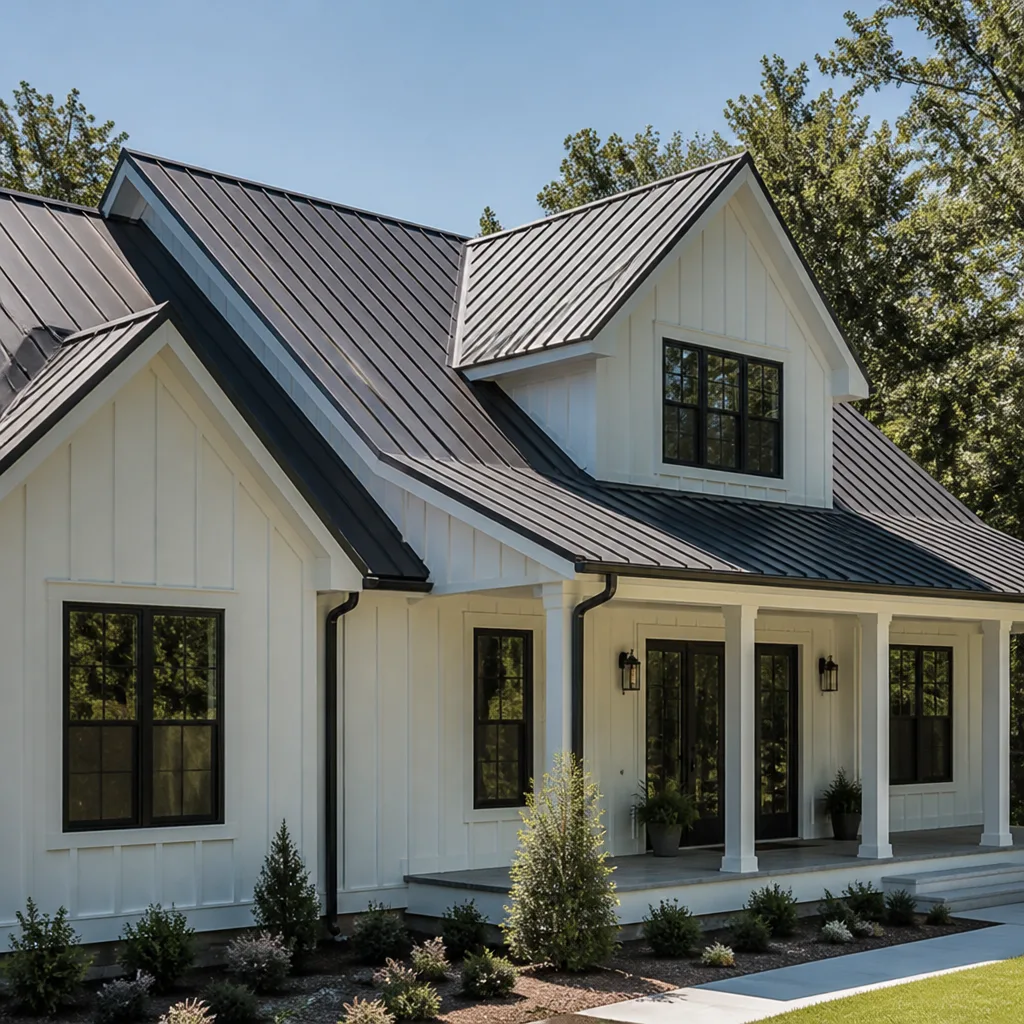 Metal roofing
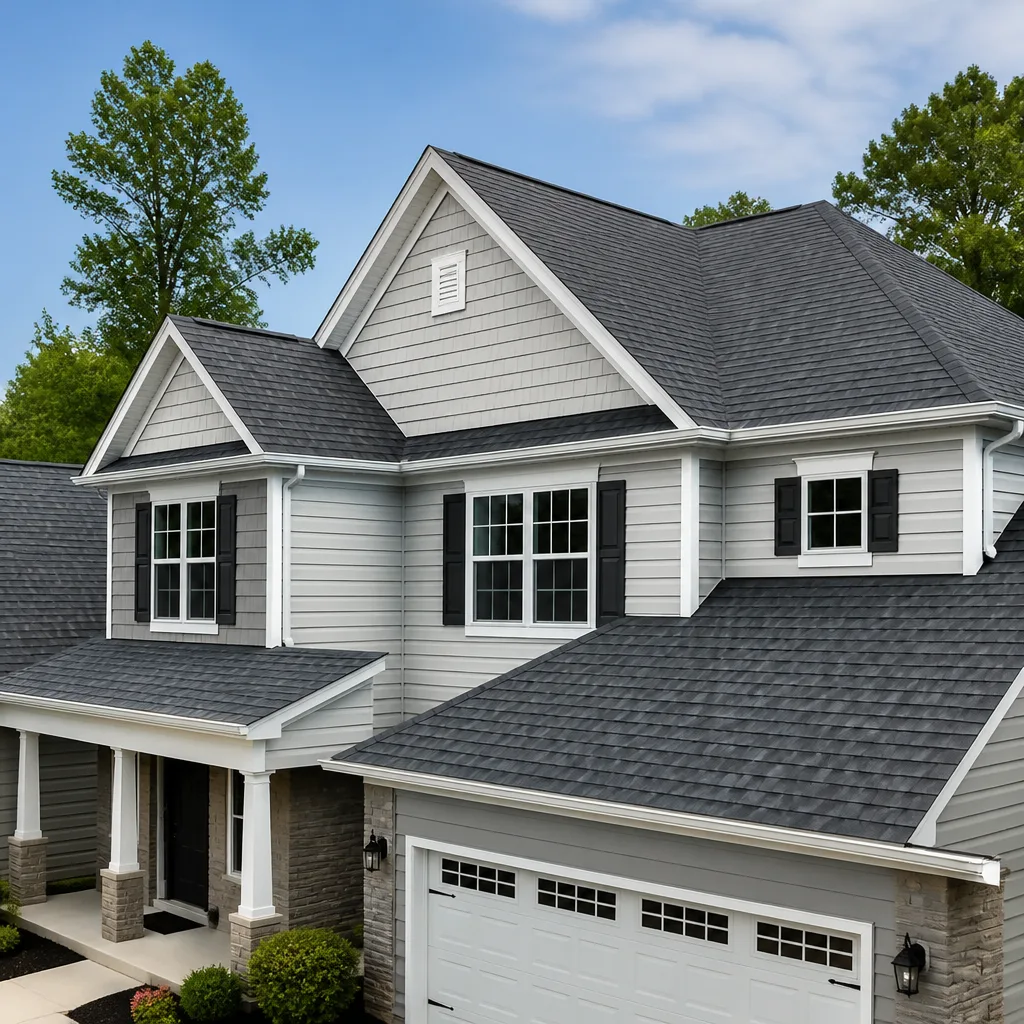 Architectural shingles
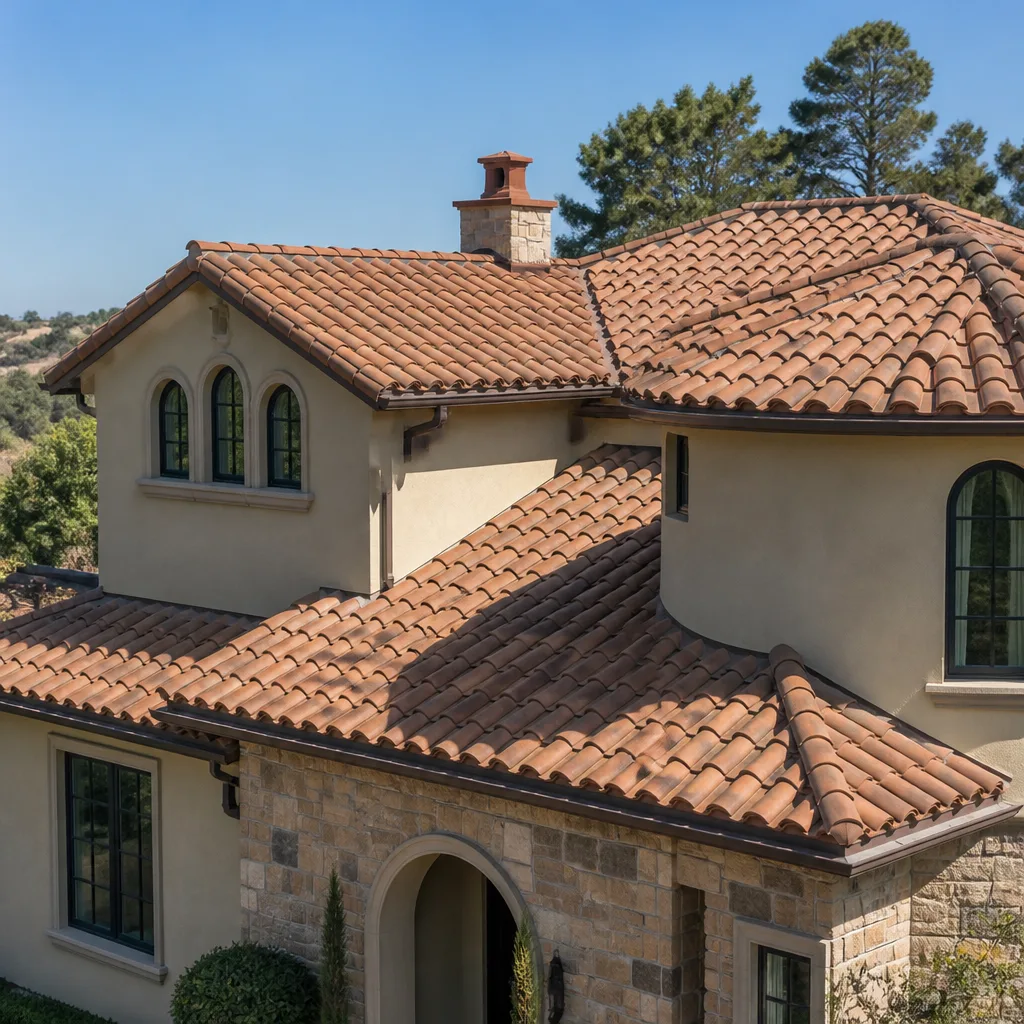 Tile roofing
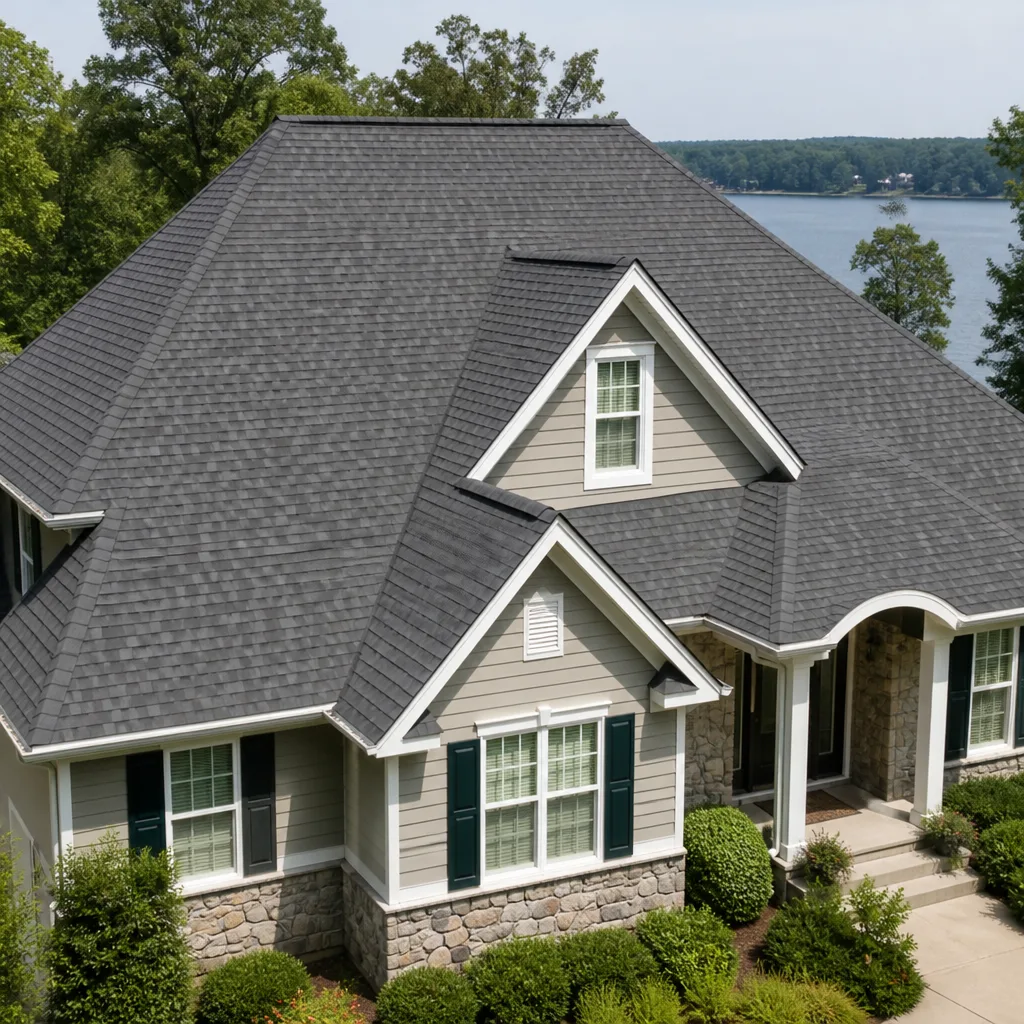 GAF
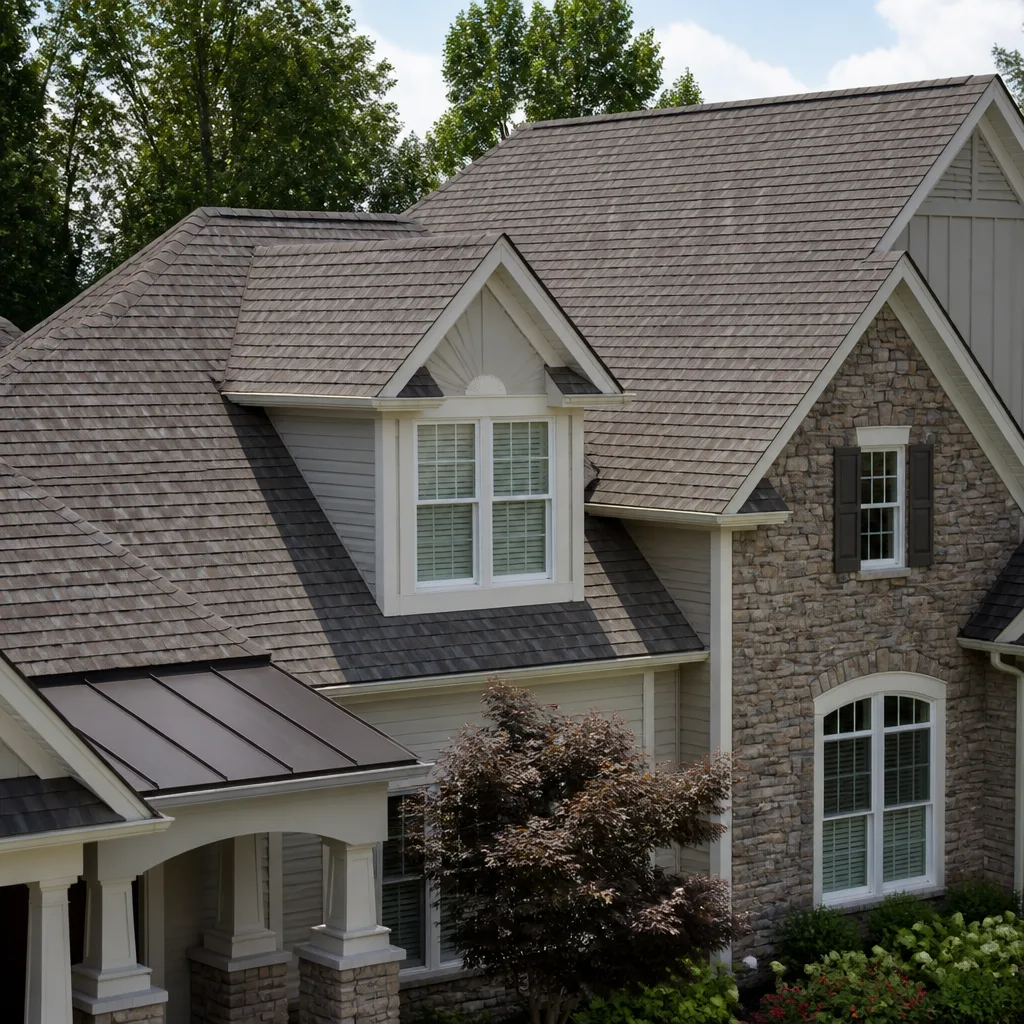 Owens Corning
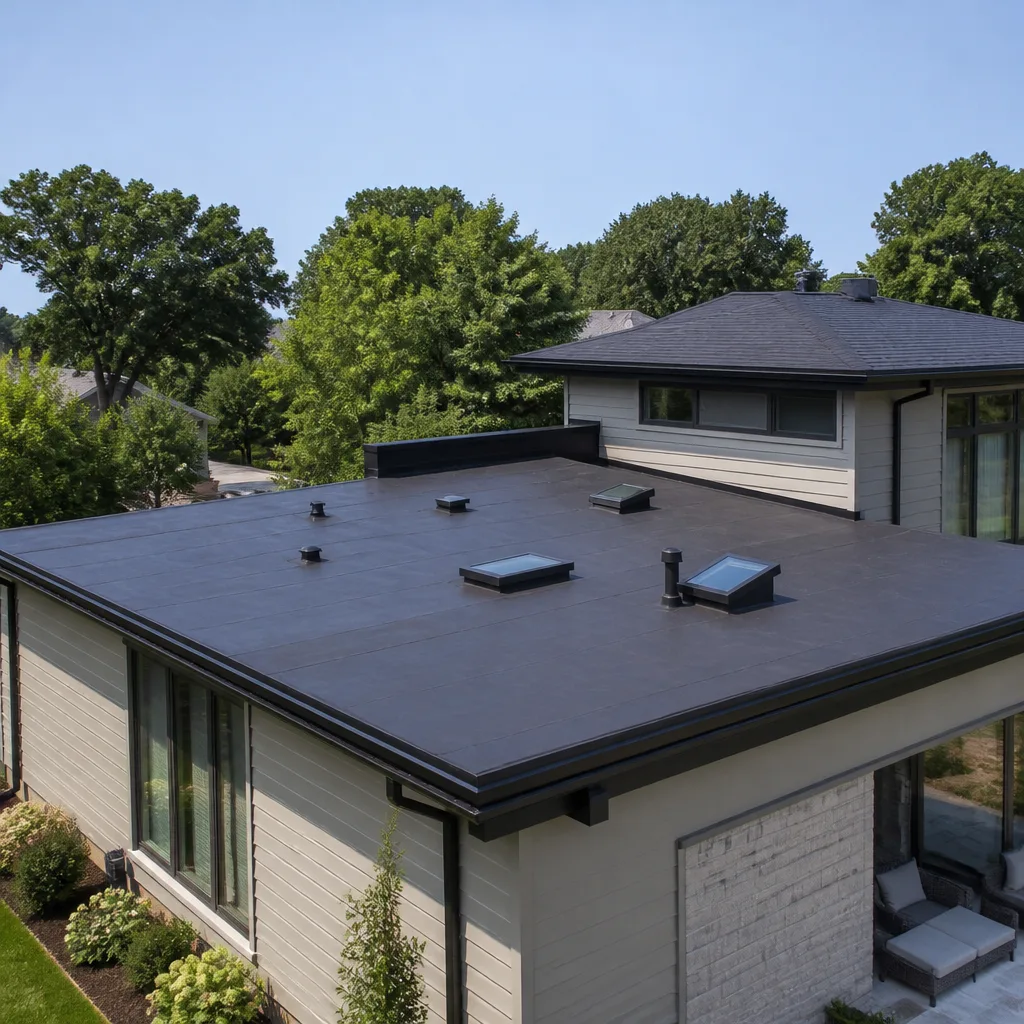 Flat & low-slope
Free roof inspection with deck photos before we talk money - GAF and Owens Corning certified installation
DIY vs Professional Roofing: The Temecula Homeowner’s Decision Guide
California is one of a handful of states where a DIY shingle installation can legally void the manufacturer’s warranty on a product you paid full retail price for, and that clause holds up in court. Most Temecula homeowners discover this after the fact, standing in the Home Depot returns line with three bundles of Owens Corning Duration and a receipt that no longer protects them. This guide walks through the actual decision points: what you can safely do yourself, what crosses into licensed-work territory, what a mistake costs in this specific climate, and where the line is between saving money and creating a liability. For related reading, see our Roof Repair Troubleshooting: Common Problems and How to Fix Them.
Quick Answer
In Temecula, DIY roofing is genuinely appropriate for small, non-structural tasks like clearing gutters, re-sealing a minor flashing gap, and inspecting attic ventilation. For a full breakdown of what to check seasonally, see our Roof Repair Maintenance Checklist for Temecula Homeowners. However, any work that involves removing or installing shingles, underlayment, or flashing should be handled by a licensed professional: our high UV exposure, WUI fire code requirements, and strict manufacturer warranty terms make amateur shingle work more consequential here than in almost any other U.S. market.
Styles & brands we work with
Table of Contents
- What DIY Roofing Actually Means in Temecula
- The Shingle Warranty Trap Most Homeowners Miss
- How California Law Defines Roofing Work
- Three Climate Factors That Make Temecula DIy Riskier
- The 3 – 5 Wind-Damaged Tabs Scenario: A Real Cost-Benefit Analysis
- What You Can Safely Do Yourself
- What You Should Never DIY
- Why Professional Documentation Matters for Insurance and Resale
What DIY Roofing Actually Means in Temecula
Most homeowners picture “DIY roofing” as one thing: a full re-roof. That’s the extreme end. In practice, the DIY spectrum runs from gutter clearing on one end to complete tear-off on the other, and the sensible line in Temecula sits far closer to the gutter end than the tear-off end. Our prolonged dry season, intense summer sun, and the Santa Ana wind events that sweep through the valley each fall create a specific set of wear patterns that change what’s realistic to handle at home.
What most guides get wrong is treating all roofing tasks as equal. They aren’t. A homeowner who clears a valley of oak leaves in October is doing something fundamentally different from a homeowner who pries up a cracked shingle and attempts a replacement. The first is maintenance. The second is a structural modification, and in Temecula, it sits under a different legal and practical umbrella.
Understanding this distinction matters because the consequences scale unevenly. A gutter mistake means water spills over the fascia. A shingle mistake means water finds the underlayment, the decking, the insulation, and eventually the drywall. The first is a $40 fix. The second is a $4,000 fix. What separates the two isn’t skill level, it’s the number of roof layers you’re penetrating, and how many of the products above and below the failure point are counting on correct installation.
We also see this conversation shaped by the age of the home. Temecula grew in distinct phases: the original Rancho California and Paloma Del Sol developments from the late 1980s and early 1990s, the French Valley and Redhawk expansion from the 2000s, and the Harveston and Roripaugh Ranch infill over the last decade. Each era used different underlayment standards, different decking thicknesses, and different shingle types. A 1990s roof in Paloma Del Sol responds differently to a DIY patch than a 2018 roof in Roripaugh Ranch, and both respond differently than the mixed-age stock in Old Town.
The Shingle Warranty Trap Most Homeowners Miss
Every major shingle manufacturer writes an installation clause into their warranty documentation, and the language is remarkably consistent across brands. The warranty covers manufacturing defects only, and only when the product is installed by a licensed contractor following the manufacturer’s published installation specifications. A homeowner installing their own shingles is, by definition, not a licensed contractor, and the manufacturer has no obligation to honor any defect claim that arises afterward.
This isn’t a hidden clause. It’s in the fine print of the warranty you receive with every bundle. But most homeowners buying 3 to 5 bundles of shingles at a retail counter never read it, and most retail associates don’t volunteer it. The moment you self-install an IKO Cambridge shingle and it later shows premature granule loss, you have no manufacturer remedy. The warranty that would have replaced the product for a licensed installer’s customer won’t cover yours.
The Southern California market adds another layer. The shingle brands most commonly sold here, Owens Corning, CertainTeed, GAF, IKO, Atlas, and Tamko, all operate warranty programs that require proof of licensed installation for anything beyond the most basic prorated coverage. Owens Corning’s Total Protection Roofing System, for example, is only available through Owens Corning Roofing Platinum or Preferred contractors. Self-installation locks you out of enhanced warranty tiers entirely, because those tiers aren’t tied to the product, they’re tied to the installation.
Some homeowners argue that the warranty is worth sacrificing to save $8,000 on labor. That’s a legitimate calculation, but it requires understanding what you’re sacrificing. A premium architectural shingle from Owens Corning or CertainTeed carries two separate coverages: the material warranty on the shingle itself, and the system warranty that covers installation defects. Self-installation voids the system warranty completely and severely limits the material warranty. What you’re left with is the most basic form of coverage, typically prorated after the first few years, and it only applies if the manufacturer determines the product was defective, not if the installation was.
How California Law Defines Roofing Work
California Business and Professions Code Section 7026 defines a contractor as anyone who undertakes construction or improvement work, and it defines improvement broadly enough to include roofing. The relevant threshold for our purposes is the $500 rule: any construction work valued at $500 or more in combined labor and materials requires a California contractor’s license. Below that threshold, a homeowner can perform their own work without a license.
What this means practically for a Temecula homeowner is that replacing a single wind-damaged shingle, a job with materials under $50 and no labor, falls below the threshold. But the moment you’re replacing multiple shingles, or adding underlayment, or touching flashing, you cross the $500 line when you account for the value of your own labor at any reasonable rate. The law doesn’t care whether you paid yourself; it cares what the work is worth.
Roofing specifically falls under the C-39 classification, and the Contractors State License Board enforces it actively in Riverside County. If you’re evaluating contractors, our How to Hire a Roofing Contractor in Temecula: A Step-by-Step Guide covers what to verify. Unlicensed roofing work that exceeds the $500 threshold can result in fines, a stop-work order, and in cases involving significant property damage, a civil complaint. Beyond the legal exposure, there’s a practical issue that hits closer to home: unpermitted or unlicensed roofing work is a disclosure item when you sell the home. You’re legally required to disclose unpermitted work on the seller’s disclosure statement, and unpermitted roofing work is one of the most common reasons a Temecula home sale falls apart in escrow.
The city of Temecula also has its own permitting process for roof work. A full re-roof requires a building permit from the city’s Building and Safety division, and the permit process includes an inspection of the completed work. A homeowner performing their own re-roof would need to pull that permit themselves, schedule the inspection, and correct any deficiencies the inspector identifies. In our experience, the most common deficiency on self-installed roofs in Temecula is the nailing pattern, because the city’s wind zone requirements call for a specific number of nails per shingle, and most DIY installs use too few.
Three Climate Factors That Make Temecula DIY Riskier
Temecula’s climate isn’t just hot. It’s hot in a way that changes the physical properties of roofing materials, and that changes what a mistimed or badly executed repair does to your home.
1. UV Degradation Rates Run Higher Here Than in Most of the Country
Temecula averages 276 sunny days per year, and the intensity of that sun, combined with our relatively high elevation and clear air, accelerates shingle granule loss and asphalt oxidation at a rate that surprises homeowners from coastal or northern climates. A shingle that would look new after five years in Seattle can look visibly aged after three years in Temecula. This means the margin for installation error is thinner. A shingle installed at the wrong temperature, or with the wrong nail placement, fails faster here because the UV load is working against it from day one.
2. WUI Fire Code Compliance Is Not Optional
Most of Temecula’s hillside and canyon-adjacent neighborhoods fall within a Wildland-Urban Interface zone, and the city’s building code reflects that reality. WUI zones require Class A fire-rated roofing materials, specific underlayment types, and in some areas, additional eave and vent detailing to resist ember intrusion. A homeowner who replaces a section of roof with whatever shingle is on sale at the local supply yard may be installing a material that doesn’t meet the WUI requirements for their property. That’s not a hypothetical violation. It’s a documented code issue that can come up during a resale inspection, an insurance underwriting review, or a post-fire assessment.
3. The Santa Ana Wind Pattern Punishes Incomplete Sealing
The Santa Ana events that hit Temecula each fall, particularly in the vineyards east of town and the foothill communities above Rancho California Road, produce sustained gusts that can lift improperly sealed shingle tabs. Most DIY repairs fail at the sealant stage. A professionally installed shingle is nailed and sealed, with the adhesive strip fully engaged before the first wind event. A DIY repair that’s nailed but not properly sealed, or sealed with the wrong product, holds until the first strong Santa Ana and then surrenders. We see this every fall: a row of shingles that a homeowner replaced in June, scattered across the backyard by November.
The 3 – 5 Wind-Damaged Tabs Scenario: A Real Cost-Benefit Analysis
The scenario that tempts a homeowner toward DIY is almost always the same: after a Santa Ana wind event, 3 to 5 shingle tabs are lifted or torn, and a roofing estimate to repair them feels disproportionate to the size of the damage. Let’s actually run the numbers on that repair in Temecula.
Material cost for a DIY repair: A bundle of quality architectural shingles like Owens Corning Duration or Atlas Pinnacle Pristine runs $35 to $60 per bundle at a Temecula supply yard. You’ll use 3 to 5 shingles from that bundle, leaving 15-plus shingles you can’t return and won’t store well. Effective material cost: $35 to $60, because you’re buying the whole bundle regardless. Add a tube of roof sealant ($8 to $12) and you’re at roughly $45 to $70 in materials.
Tool cost: If you don’t own a roofing nailer, you can rent one from a Temecula tool rental for $35 to $45 per day. If you’re doing the repair by hand-nailing, you’ll need a hammer, which most homeowners own. Add a roof ladder stabilizer rental ($15 to $20) and you’re at $50 to $65 in tooling for a first-time DIY repair.
Time cost: A homeowner who has never been on a roof needs 4 to 6 hours for a 3-tab repair, including the trip to the supply yard, the trip to the rental counter, the two trips back to return the rental, and the cleanup. At any realistic value for your time, that’s $150 to $300 in labor value.
Fall risk: Falls from roofs account for roughly one-third of all construction-related fall deaths in the US, according to OSHA data, and a disproportionate share of those falls involve homeowners performing the work themselves. A broken wrist from a 10-foot fall onto a Temecula patio costs $2,500 to $7,500 with insurance. Without insurance, significantly more.
Mistake risk: The mistake that’s most common on this repair, misaligned nails on the replacement shingles, means the repair doesn’t hold through the next wind event, and now you have a more extensive repair plus water intrusion. The average cost to remove and properly repair water-damaged underlayment following a failed DIY patch is $1,800 to $4,500 in the Temecula market.
The professional alternative: A licensed roofer repairing 3 to 5 shingles in Temecula charges $350 to $650 in most cases, and the repair includes matching the shingle color, properly sealing the tabs, and documenting the repair for future insurance purposes. The $300 to $500 difference between the DIY attempt and a professional repair is, for most homeowners, less than the combined cost of materials, tool rental, and time, before accounting for the fall risk and the repair-failure risk.
The honest math on the most tempting DIY roofing project in Temecula is that it only pays off if you already own the tooling, already have a matching bundle of shingles, and can complete the job without injury or error. Most homeowners who start this project meet none of those conditions.
What You Can Safely Do Yourself
There’s a real and valuable maintenance role for Temecula homeowners, and it lives on the roof’s edges and gutters, not on the shingle plane. These tasks are genuinely DIY-appropriate because they don’t involve penetrating the roof’s protective layers, and the worst-case mistake is measured in minor inconvenience rather than water intrusion.
Gutter and Valley Clearing
Temecula’s oaks, sycamores, and palms drop a continuous supply of debris into gutters and valley intersections. A homeowner who clears their gutters twice a year, once after the spring growth flush and once after the fall leaf drop, is doing real roof preservation work. Clogged valleys force water sideways under shingles, and that’s a primary source of the leak callbacks we see each winter. This task requires a ladder, gloves, a bucket, and about 45 minutes.
Visual Inspection of Flashing and Sealant
From the ground or from a ladder (not on the roof itself), you can check the visible condition of chimney flashing, pipe boot flashing, and drip edge. You’re looking for cracked sealant, lifting metal, or visible gaps. Documenting what you see, even with a phone camera, gives a professional useful starting information and helps you catch issues before they become interior problems.
Attic Ventilation Check
This is a genuinely important DIY task in Temecula because our heat loads demand functional ventilation. Go into the attic on a hot day and check that the intake vents along the eaves aren’t blocked by insulation or debris, and that the exhaust vents near the ridge or gable ends are clear. Inadequate ventilation in a Temecula attic can reduce shingle lifespan by years, and you can assess intake and exhaust clearances without ever stepping onto the roof.
Re-Sealing a Minor Flashing Gap
If you can see a small gap in flashing sealant from a ladder, you can apply a roofing-grade sealant to that gap. The key is that you’re applying sealant to a visible, accessible surface, not prying anything up or removing any shingles. This is a temporary fix, not a permanent solution, and it’s most useful while you’re waiting for a professional Roof Repair in Temecula appointment.
What You Should Never DIY
These tasks cross the line from maintenance into structural work, and in Temecula specifically, they carry consequences that generic DIY advice doesn’t capture.
- Shingle removal and replacement of any kind. Once you lift a shingle, you’re responsible for what’s underneath. If the underlayment is torn or the decking is soft, you now have an open roof surface and no professional on the way. In Temecula’s summer heat, that opening bakes, and in winter, it leaks.
- Flashing removal or reinstallation. Flashing is the most common source of roof leaks, and it’s the component most sensitive to installation error. A chimney flashing that isn’t counter-flashed correctly leaks within a season, and in Temecula’s rainy winters, that season is measured in weeks.
- Underlayment work of any scope. The underlayment is the roof’s waterproof barrier, and its installation requirements, including overlap direction, nail pattern, and material type, are printed by the manufacturer for a reason. Most DIY underlayment failures are installed backward, and a backward underlayment works until the first real rain.
- Skylight replacement or re-flashing. The deck opening around a skylight is the single most leak-prone detail on any roof, and the flashing kit is the only thing keeping water out. If a skylight is leaking, the problem is almost always the flashing, and the fix is not a DIY job.
- Any work on a roof with a pitch above 6/12. Most Temecula homes sit between 4/12 and 8/12 pitch, and the steeper the pitch, the higher the fall risk. A 4/12 roof is walkable with caution. A 7/12 roof is not walkable without roof jacks and a safety harness, and a homeowner who doesn’t own those tools is making a decision with their health.
Why Professional Documentation Matters for Insurance and Resale
One of the least appreciated benefits of professional roofing work is invisible until you need it: the paper trail. A licensed Roof Replacement in Temecula contractor creates documentation that a DIY job doesn’t, and that documentation carries real value in two specific situations.
First, insurance claims. When a branch falls through your roof, or a Santa Ana wind event tears off shingles, the adjuster wants to see that the roof was in good condition before the incident. Professional documentation, including photos from a Roof Inspection in Temecula, shows nailing patterns that meet code, underlayment specifications, and installation dates. That’s what turns a disputed claim into an approved one. A DIY installation doesn’t produce that documentation, and the claim is inherently weaker without it.
Second, resale disclosure. California requires sellers to disclose all known roof conditions and any roofing work performed during their ownership. A professional re-roof with a permit and a final inspection report is a selling point. A DIY patch job is a disclosure item that a buyer’s inspector will flag, either because the work looks non-professional or because the permit history doesn’t match the visible condition. In the Temecula market, where buyers routinely request roof certifications during escrow, the difference between documented professional work and undocumented self-work can be thousands of dollars in negotiation concessions.
The documentation angle also affects warranty transferability. Most premium shingle warranties from manufacturers like Owens Corning and CertainTeed are transferable to a new owner, but only if the installation was completed by a licensed contractor. A DIy-installed roof carries no transferable manufacturer warranty, which means the next buyer is buying a roof with no manufacturer backing, and that’s a price-reducing discovery in escrow.
Common Mistakes to Avoid
- Buying shingles before knowing the existing roof’s exact product and color match. A mismatched shingle that’s structurally sound still fails a resale inspection, and fixing it means removing the work you just paid for.
- Using a general-purpose sealant on a roof surface. Roofing requires specific sealant chemistry. The silicone or acrylic sealant in your garage is not rated for roof exposure and fails within months under Temecula’s UV load.
- Ignoring the WUI code requirements for your specific property. Most Temecula homeowners in WUI zones don’t know they’re in a WUI zone, and installing a non-compliant roofing material creates a documented code violation that follows the property.
- Working on the roof alone. Falls from roofs are survivable in many cases if someone is there to call for help, and fatal more often than they should be when no one is. Never work on a roof without another adult on-site.
- Underestimating the time commitment of a DIY repair. The actual roof work is the short part. The supply runs, the tool rental, the cleanup, and the disposal of damaged material take more time than the repair itself, and most homeowners don’t budget for it.
- Patch-sealing a problem that needs structural repair. Sealant over a soft decking area is a bandage on a compound fracture. The leak continues underneath, the decking rot expands, and the eventual repair is far more expensive than the original fix would have been.
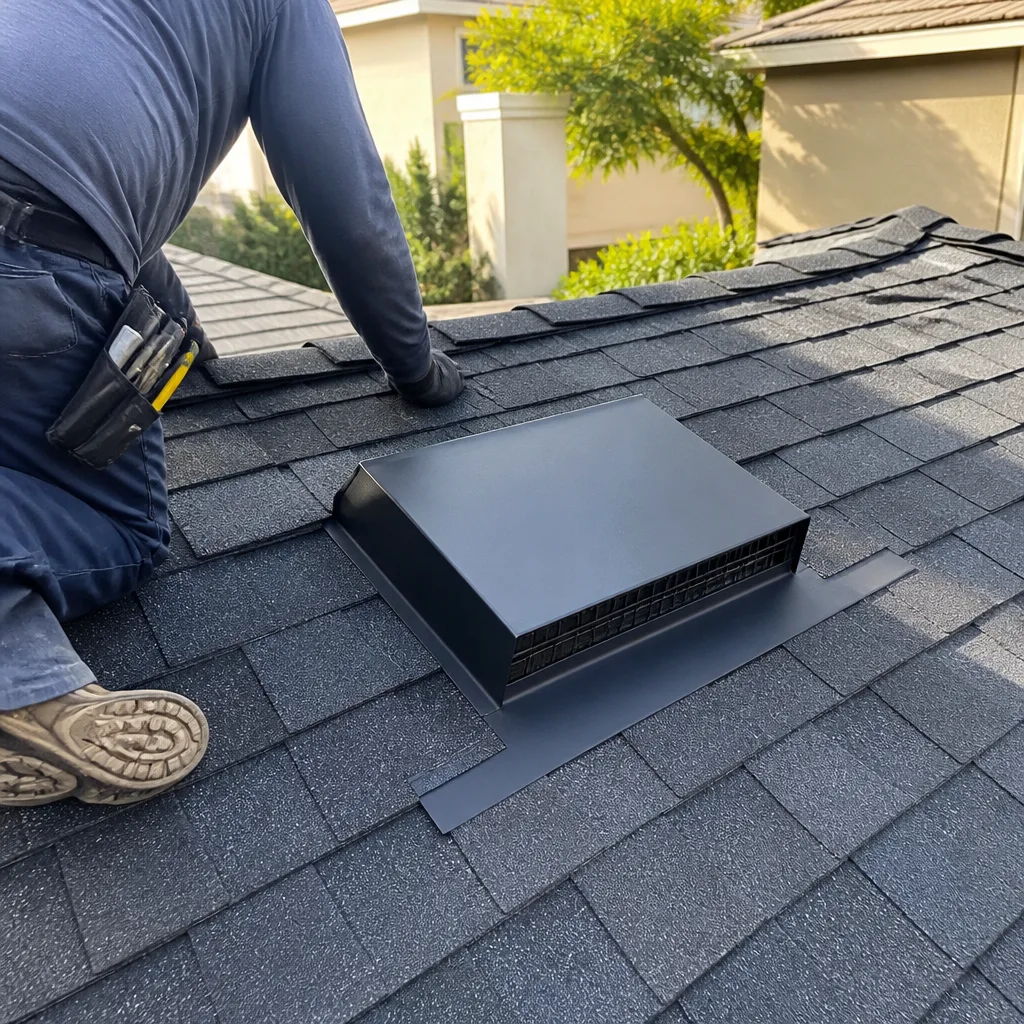
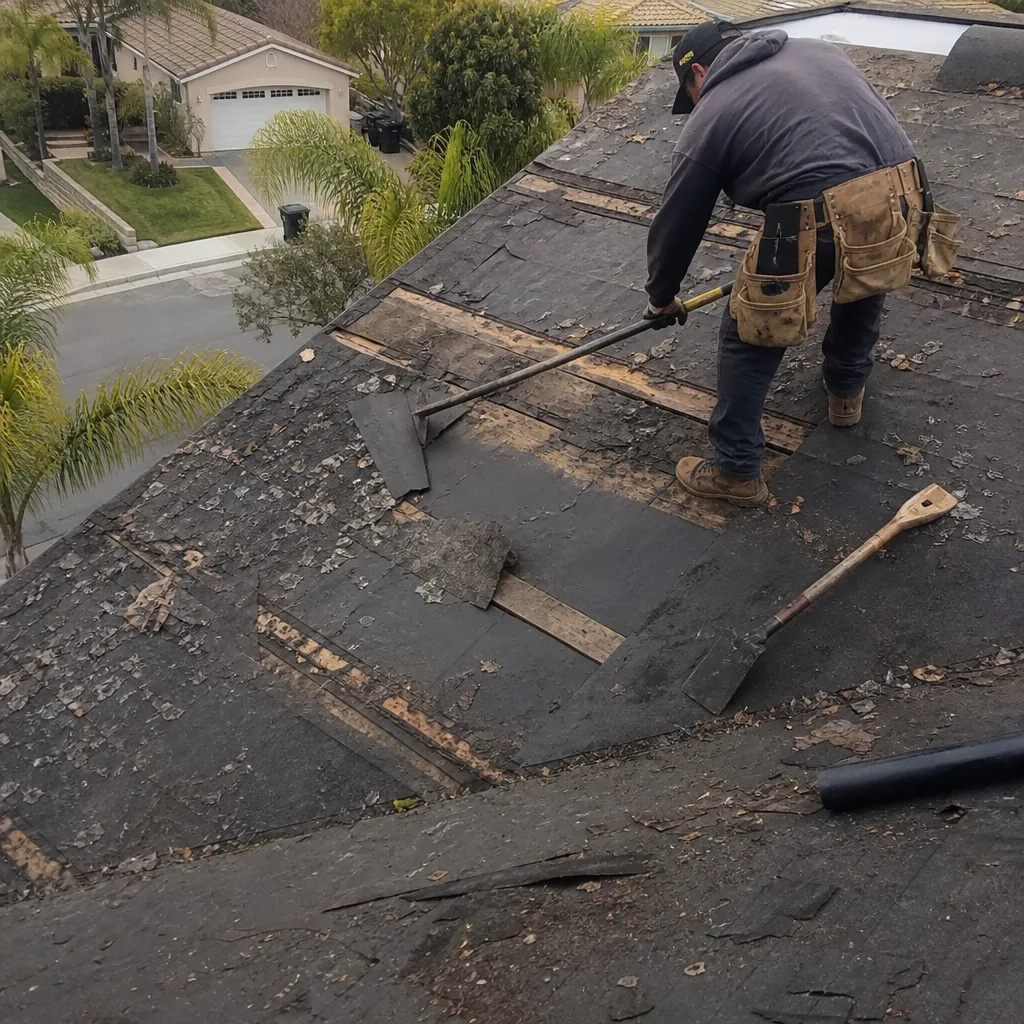
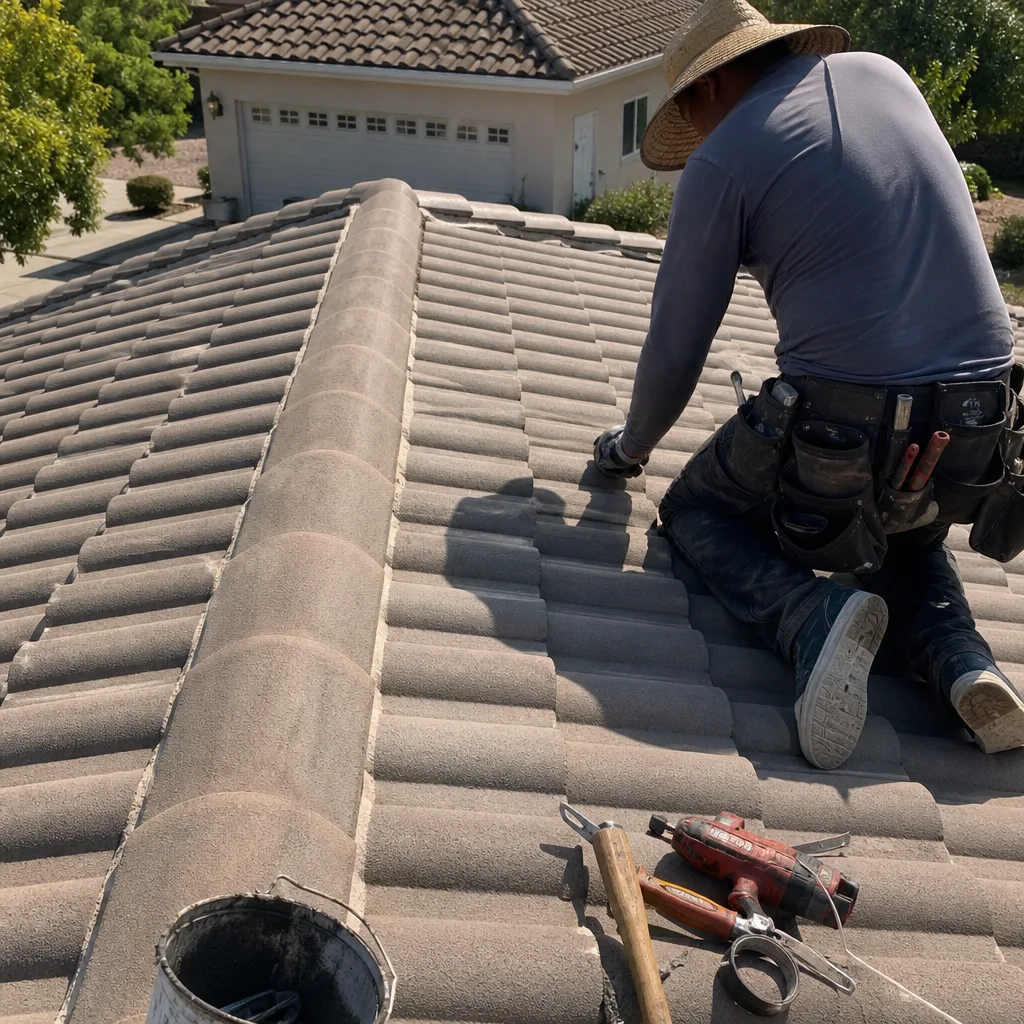
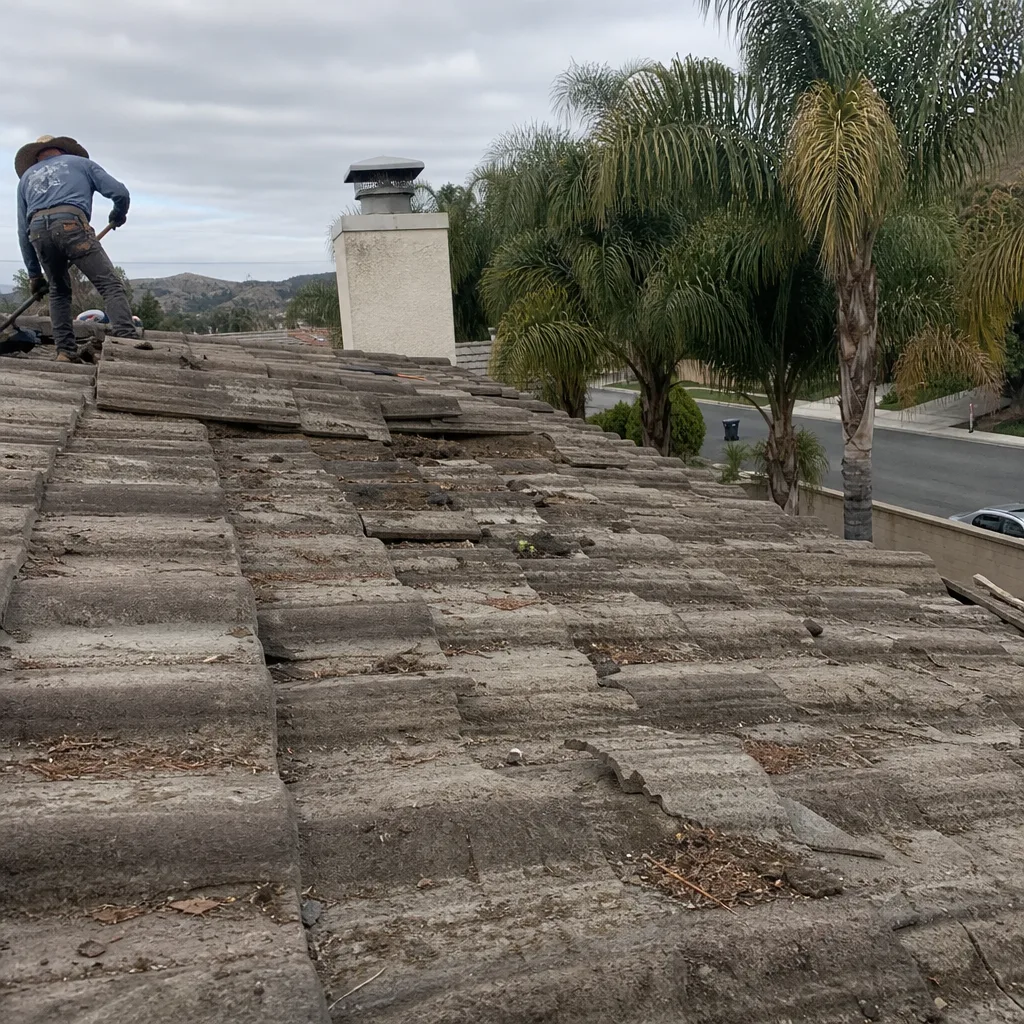
See the difference
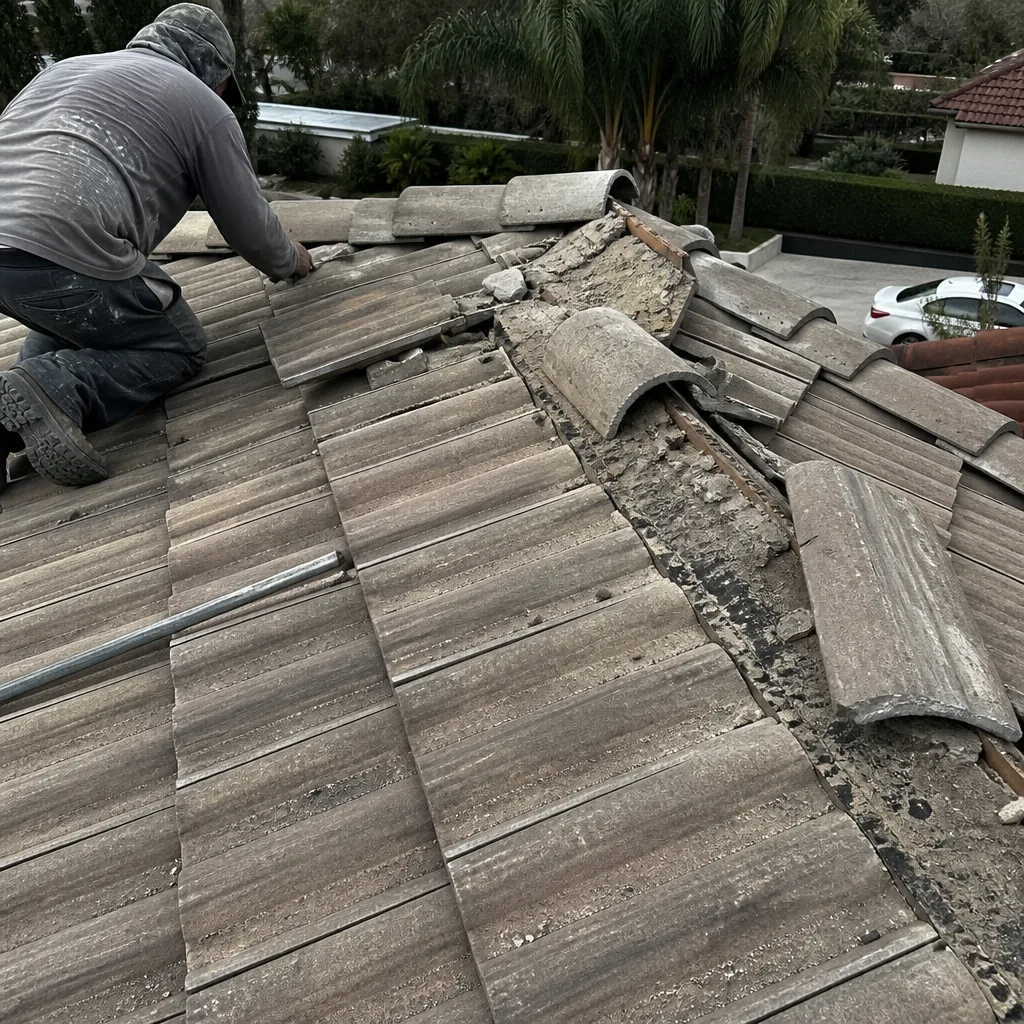 Before
 After
 Before
 After
 Before
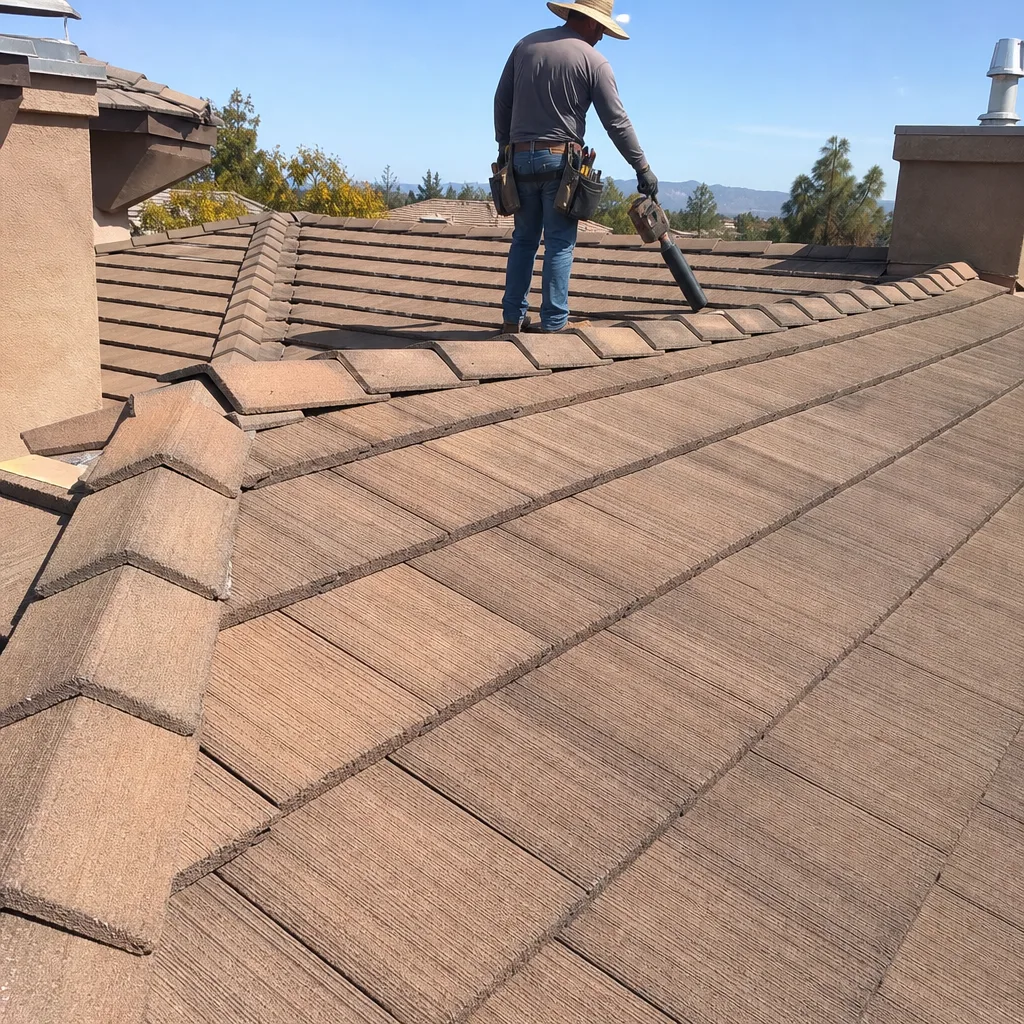 After
When to Call a Professional
If water is entering the house, if shingles are missing after a wind event, if the roof is more than 15 years old and you’re seeing granule loss in the gutters, or if you’re selling the home and the buyer’s inspector has flagged the roof in the report, call a professional. These scenarios all involve either active water intrusion or a structural condition that no sealant will fix. Baycrest Roofing offers free estimates in Temecula. Call (866) 412-5697 and we’ll come out, inspect the roof, and tell you honestly what needs to happen: a repair if the roof has life left, a replacement if it doesn’t. No pressure, no upselling, just the truth from someone who’s seen every failure mode this climate produces. See more about our approach at Baycrest Roofing home.
Frequently Asked Questions
Most Temecula roof repairs range from $350 to $2,800 depending on the scope, with minor shingle replacement at the low end and flashing or underlayment repair at the high end. A full re-roof typically starts around $12,000 for a single-story home and scales from there. Call (866) 412-5697 for an exact quote on your specific roof.
Yes, California law allows homeowners to perform their own roofing work, but it requires pulling a permit through the city of Temecula, passing the city’s inspection, and accepting the loss of all manufacturer warranty coverage. The $500 contractor licensing threshold applies to the value of the work, and a full re-roof always exceeds it.
Most homeowner’s policies exclude damage caused by your own faulty workmanship, and a DIY roofing repair that fails and causes interior water damage is the textbook example of excluded workmanship. Insurance is far more likely to cover storm damage to a professionally installed roof than a failure of a self-installed repair.
Yes. Unpermitted or visibly non-professional roofing work is a mandatory disclosure item in California, and in the Temecula market, it’s one of the most common reasons for escrow delays and price concessions. A professional repair with documentation is a selling point; a DIY patch is a negotiation liability.
The most common mistake is improper nailing: nails driven at the wrong angle, too few nails per shingle, or nails placed too high to engage the shingle below. Temecula’s wind zone requires specific nailing patterns, and most DIY failures we see are related to nails pulling out under Santa Ana wind loads.
Most asphalt shingle re-roofs in Temecula take 2 to 5 days, depending on the home’s size, roof complexity, and whether the old roof is being torn off or overlaid. The permit process adds a few days on either end, and the city inspection is typically scheduled the day after completion. We’ll give you a specific timeline during the estimate.
The Bottom Line
The DIY-vs-professional question in Temecula comes down to three factors most generic roofing advice never mentions: our UV degradation rates that punish installation errors faster, our WUI fire code requirements that restrict material choices, and our state’s legal framework that voids manufacturer warranties on self-installed product. The genuinely DIY tasks in this climate are the maintenance items, gutter clearing, ventilation checks, visible sealant touch-ups. Everything that touches shingles, flashing, or underlayment belongs in professional hands, and the cost-benefit math on small repairs shows the DIY savings are smaller than most homeowners expect. When you account for materials, tool rental, time, fall risk, and the cost of fixing a failed repair, the professional estimate usually looks like the more rational option. For more guides & resources, visit our blog, or call Baycrest Roofing at (866) 412-5697 and we’ll give you an honest assessment before you spend a dollar.
Written by the team at Baycrest Roofing, serving Temecula since 2013.