Last updated October 31, 2026
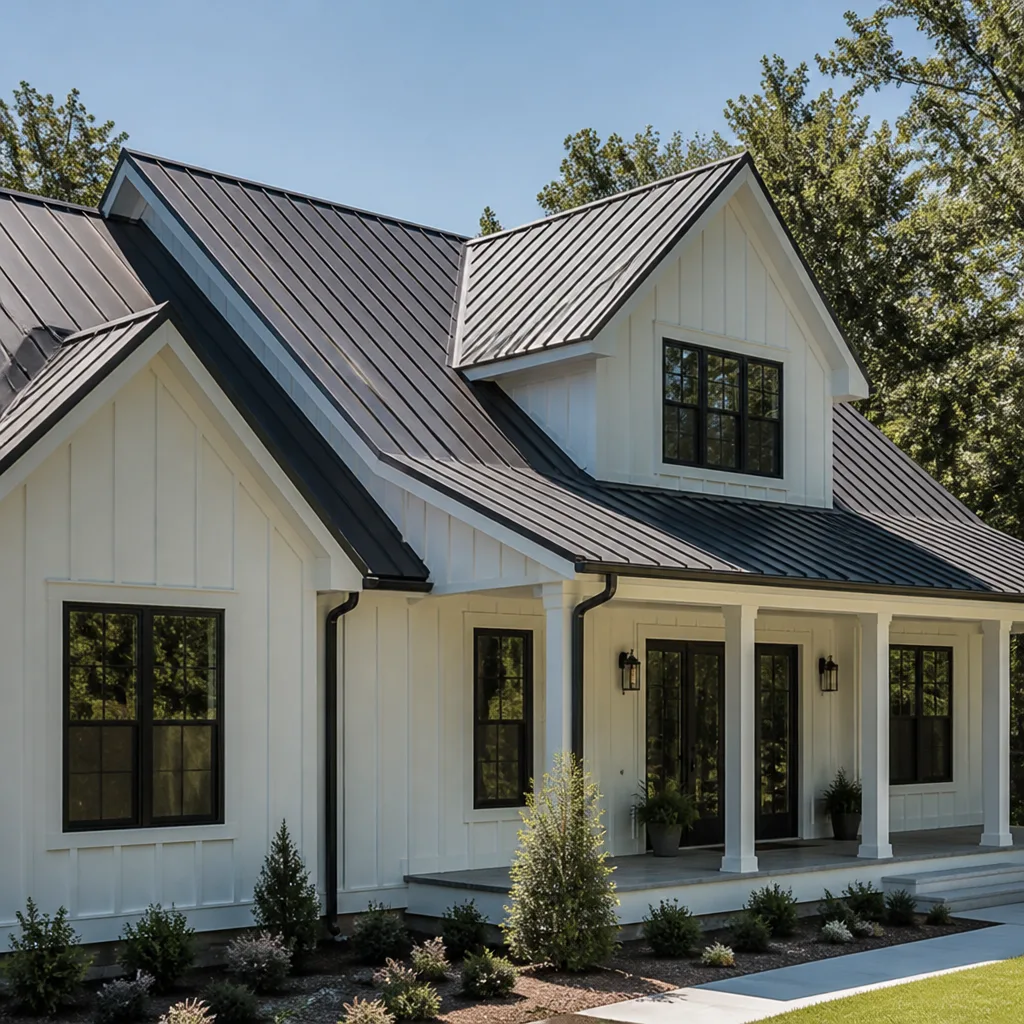 Metal roofing
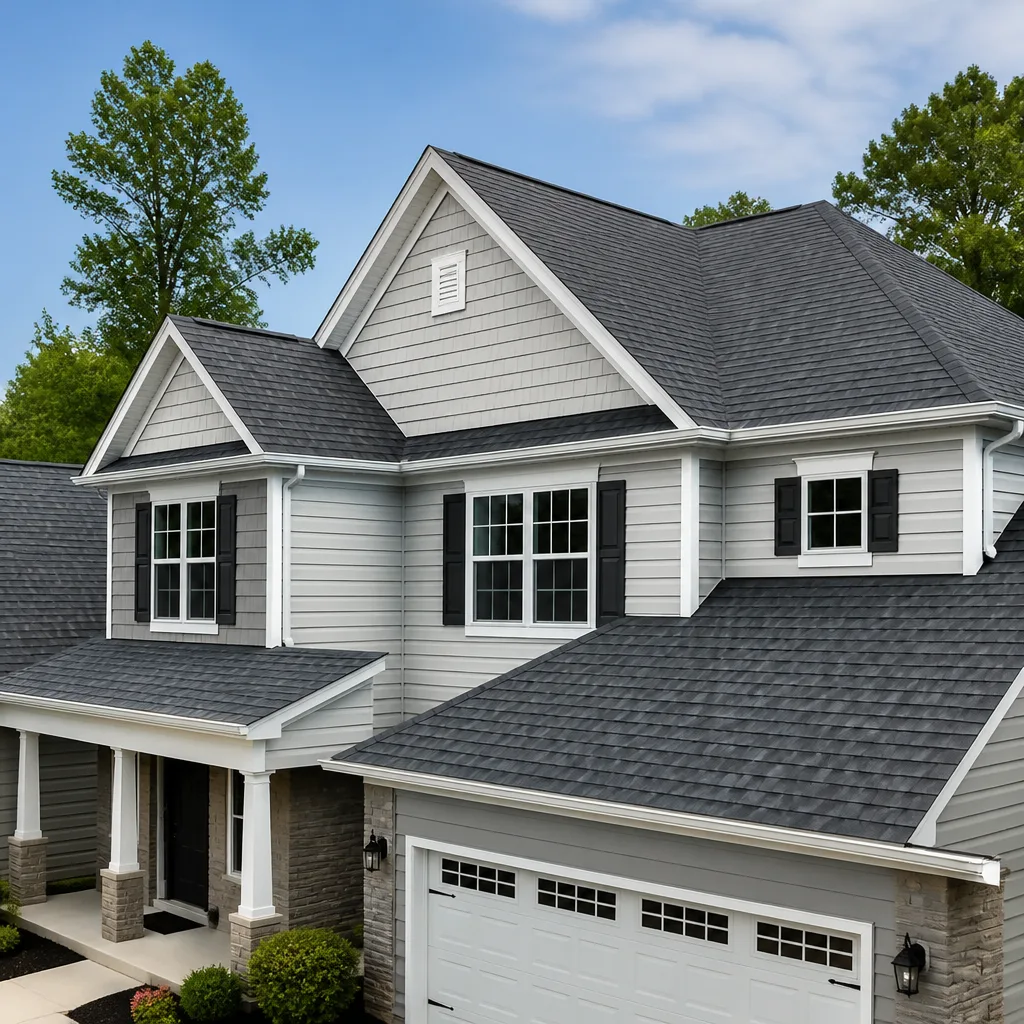 Architectural shingles
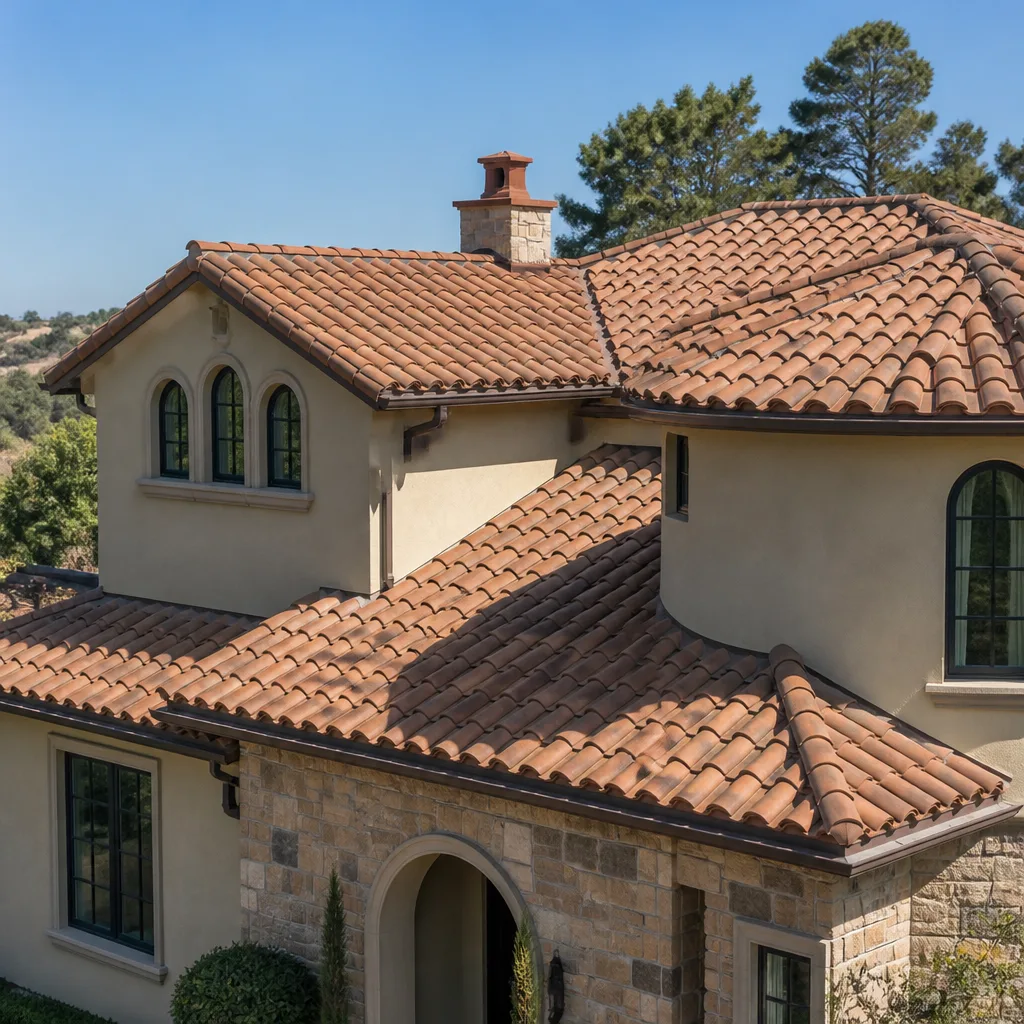 Tile roofing
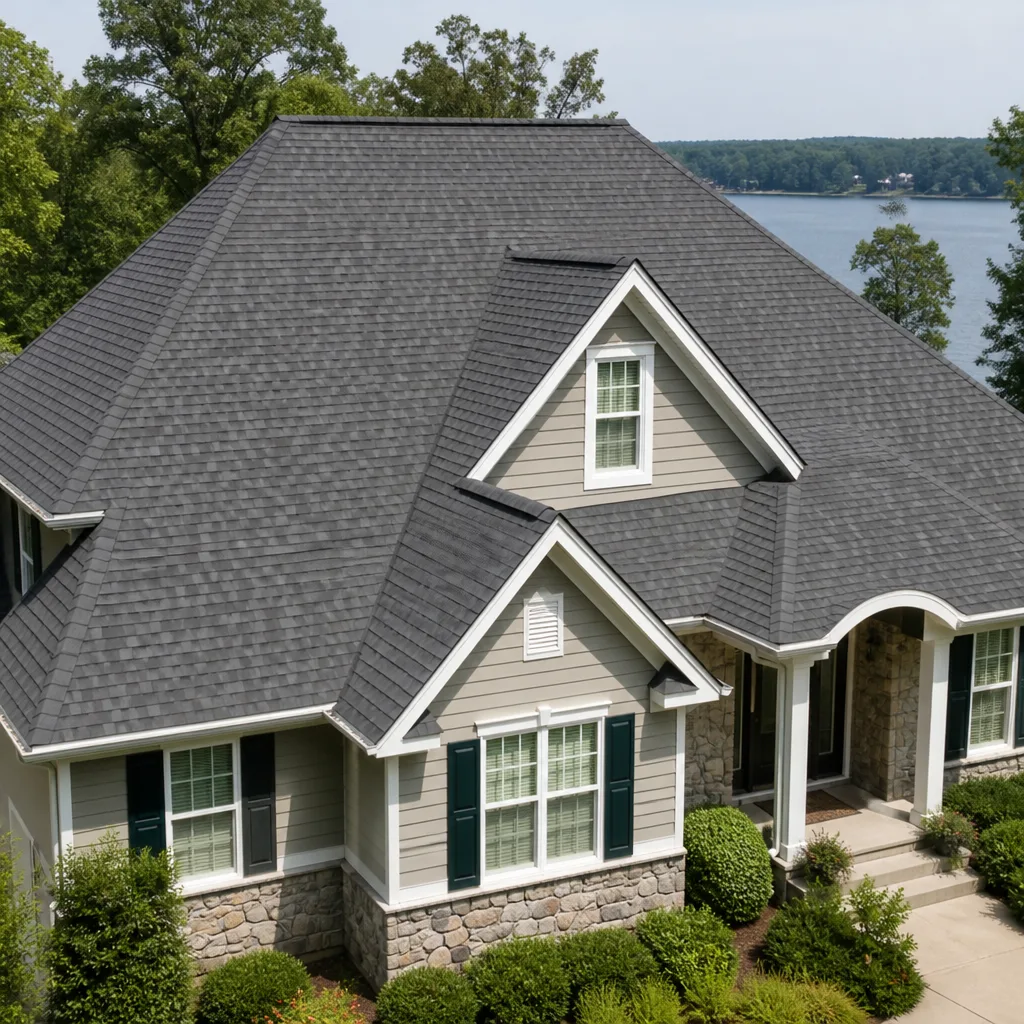 GAF
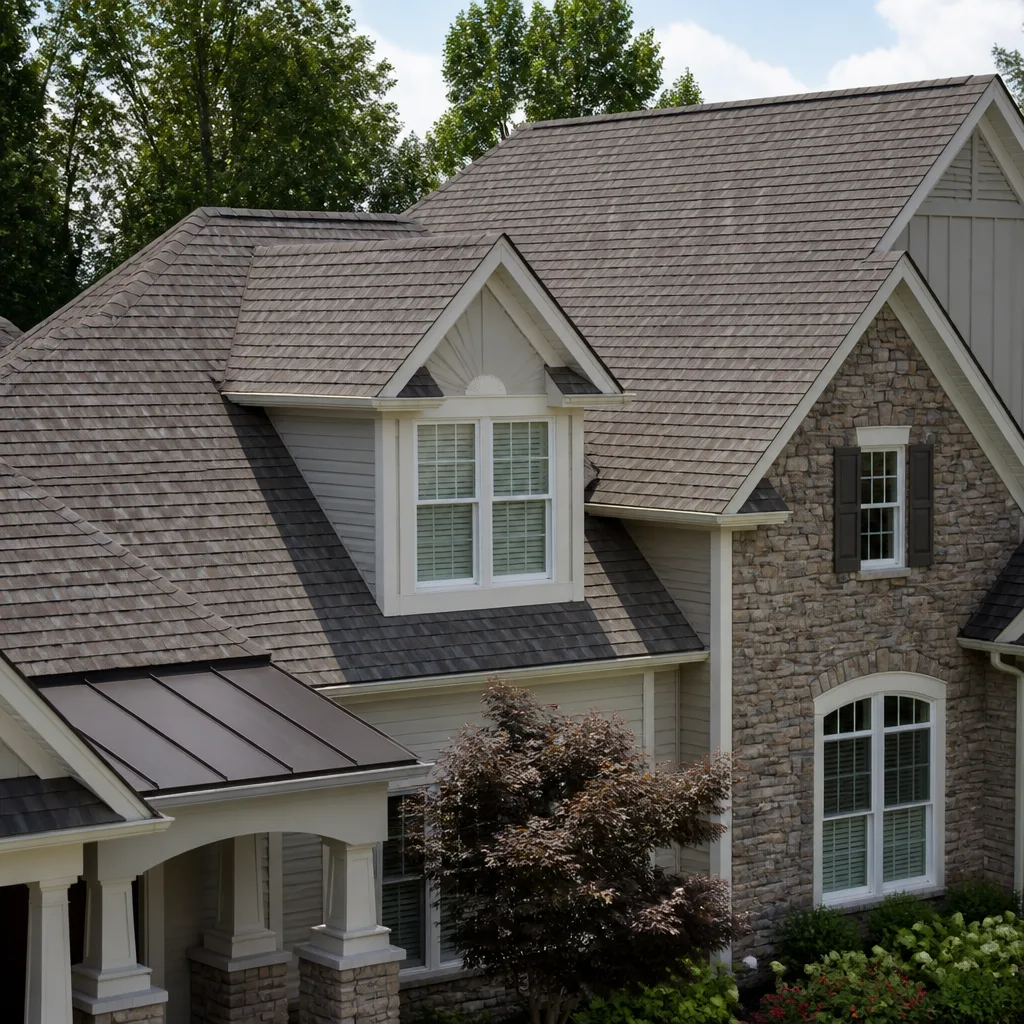 Owens Corning
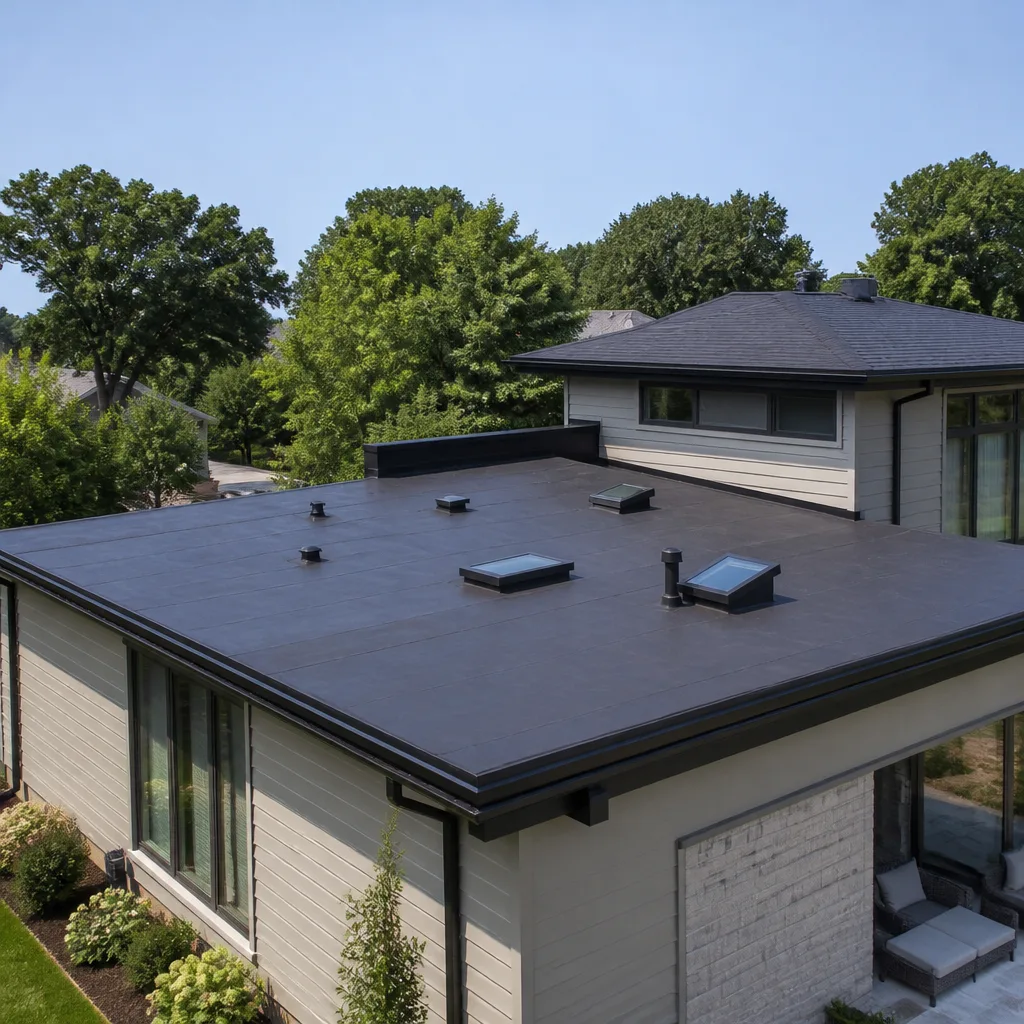 Flat & low-slope
Free roof inspection with deck photos before we talk money - GAF and Owens Corning certified installation
The Complete Guide to Roofing in Temecula
Temecula averages over 280 sunny days a year, but it’s the 12 days of Santa Ana winds that destroy roofs installers built for California sunshine. Most roofing guides treat Temecula like any other Southern California suburb, missing how inland heat, wind events, and sudden downpours stack against a single roof over a decade. This guide walks through what actually fails on roofs in this valley, what materials hold up, what a replacement costs and entails, and when a repair is the smarter call. If you own a home in Temecula and want to understand your roof before spending a dollar, this is your reference.
Quick Answer
Roofing in Temecula means choosing materials and installation methods that survive three local forces: intense UV exposure from 280+ sunny days, Santa Ana wind gusts that peel shingles rated only for mild coastal breezes, and periodic heavy rain that finds every seam left by thermal cycling. A properly specified roof here typically costs between $12,000 and $28,000 for a full replacement on an average single-family home, depending on material tier and roof complexity. The right approach is to inspect first, understand what your specific roof faces, then match a material to those conditions rather than defaulting to whatever one brand happens to offer.
Styles & brands we work with
Table of Contents
- Why Temecula’s Climate Triangle Changes Everything
- Material Classes: What Actually Lasts in the Inland Valley
- Repair or Replace: How to Know Which One You Need
- What a Full Roof Replacement Costs in Temecula
- The Replacement Process: Permits, Install, Inspection
- Hillside vs. Valley Floor: Why Location on the Lot Matters
- Santa Ana Wind Ratings: The Spec Most Guides Skip
Why Temecula’s Climate Triangle Changes Everything
Coastal cities like Oceanside or Carlsbad deal with marine layer moisture and mild temperatures. Temecula sits inland, about 22 miles from the coast, and that distance creates a different roofing environment entirely. Summer temperatures regularly cross 100°F, and rooftop surface temperatures run 40 to 60 degrees hotter than the air. A 105°F day means your shingles are baking at 145°F to 165°F. Then the temperature drops 40 degrees overnight. That daily expansion and contraction, called thermal cycling, is relentless.
Over ten years, thermal cycling does two things. First, it causes asphalt shingles to become brittle as volatile compounds in the asphalt slowly off-gas. Second, the expansion and contraction breaks the adhesive bond between shingle layers, creating small gaps where wind can get underneath. This is why roofs in Temecula often show granule loss and lifted shingle tabs years before the manufacturer’s warranty expires.
Granule loss deserves its own explanation because it’s the most common roof failure mode we see in this valley. The granules embedded in asphalt shingles serve two purposes: they block UV radiation from degrading the asphalt below, and they provide fire resistance. When granules shed, the asphalt is exposed directly to UV. Once exposed, it degrades quickly. In coastal zones, granule loss takes longer because UV index values run slightly lower and marine moisture keeps shingle surfaces cooler. In Temecula, UV index averages 6 to 8 for much of the year, with summer peaks reaching 10 or 11. That’s intense enough to significantly accelerate granule shedding on shingles already weakened by thermal cycling.
Then comes the second force: Santa Ana wind. These events typically blow from the northeast, channeling through passes in the Santa Ana Mountains and hitting the valley with gusts from 40 to 70 mph, occasionally higher. The problem is that many shingles installed in Temecula carry basic wind warranties rated for 60 mph or less. A 70 mph gust over a roof with 10 years of thermal cycling behind it doesn’t just lift a shingle. It tears it, exposing the underlayment and decking to whatever comes next.
And what comes next, in many years, is a sudden heavy rain. Temecula gets most of its annual rainfall in a handful of storm events during the winter months. A single atmospheric river can drop 3 to 5 inches of rain in 48 hours. If your roof has gaps from lifted shingles, granule loss exposing asphalt, or deteriorated flashing from thermal cycling, that rain finds its way inside. This is the climate triangle: UV and heat weaken the materials, Santa Ana winds exploit the weakness, and heavy rain lands the final blow.
What This Means for Material Selection
- Shingles with higher wind warranties (110 mph or 130 mph) matter more here than in most California zip codes.
- Materials with higher UV resistance, such as premium architectural shingles with dense granule coverage, justify their cost in Temecula.
- Underlayment matters as much as the visible surface. Synthetic underlayments outperform felt in high-wind and high-heat exposure.
- Roof decking that has already started to delaminate from moisture intrusion needs to be identified during inspection, not covered over.
If you’re looking for a deeper dive on how to evaluate your current roof before making any decisions, our Roof Inspection in Temecula page walks through what a diagnostic inspection covers and what findings actually mean.
Material Classes: What Actually Lasts in the Inland Valley
The roofing market offers dozens of products, but they fall into a few clear categories. Understanding these categories is the difference between buying a 15-year roof and a 30-year roof. In Temecula, the climate triangle strips away the marketing and exposes which categories actually close the longevity gap.
3-Tab Asphalt Shingles: Economy With a Short Clock
These are the basic, flat-looking shingles that were standard on tract homes built in the 1980s, 1990s, and early 2000s. They carry wind ratings around 60 mph out of the box, which is already marginal for Santa Ana conditions. Add 10 years of thermal cycling and sun exposure, and a 3-tab roof in Temecula is usually due for replacement by year 15 to 18, sometimes earlier on exposed hillsides. Most manufacturers have scaled back or discontinued their 3-tab lines, which tells you where the industry landed on longevity. We rarely recommend installing new 3-tab shingles in this valley.
Architectural (Dimensional) Asphalt Shingles: The Middle That Makes Sense
Architectural shingles are thicker, layered, and textured. They carry wind warranties from 110 mph to 130 mph depending on the product line and installation method. They have more asphalt per square, which means more resistance to thermal cycling. They also have deeper granule embedment, which slows UV-driven granule loss. Within this category, there’s a meaningful difference between entry-level architectural shingles and premium ones. Entry-level products from IKO and Atlas offer solid value for budget-conscious homes that don’t face severe Santa Ana exposure. Premium products from CertainTeed and Owens Corning bring thicker mats, better granule adhesion, and longer wind and staining warranties. In our experience, a mid-range architectural shingle from a manufacturer whose installation specs we know inside out outperforms a premium product installed by a crew that doesn’t understand that manufacturer’s specific requirements.
Concrete and Clay Tile: The Long-Game, Structure-Dependent Option
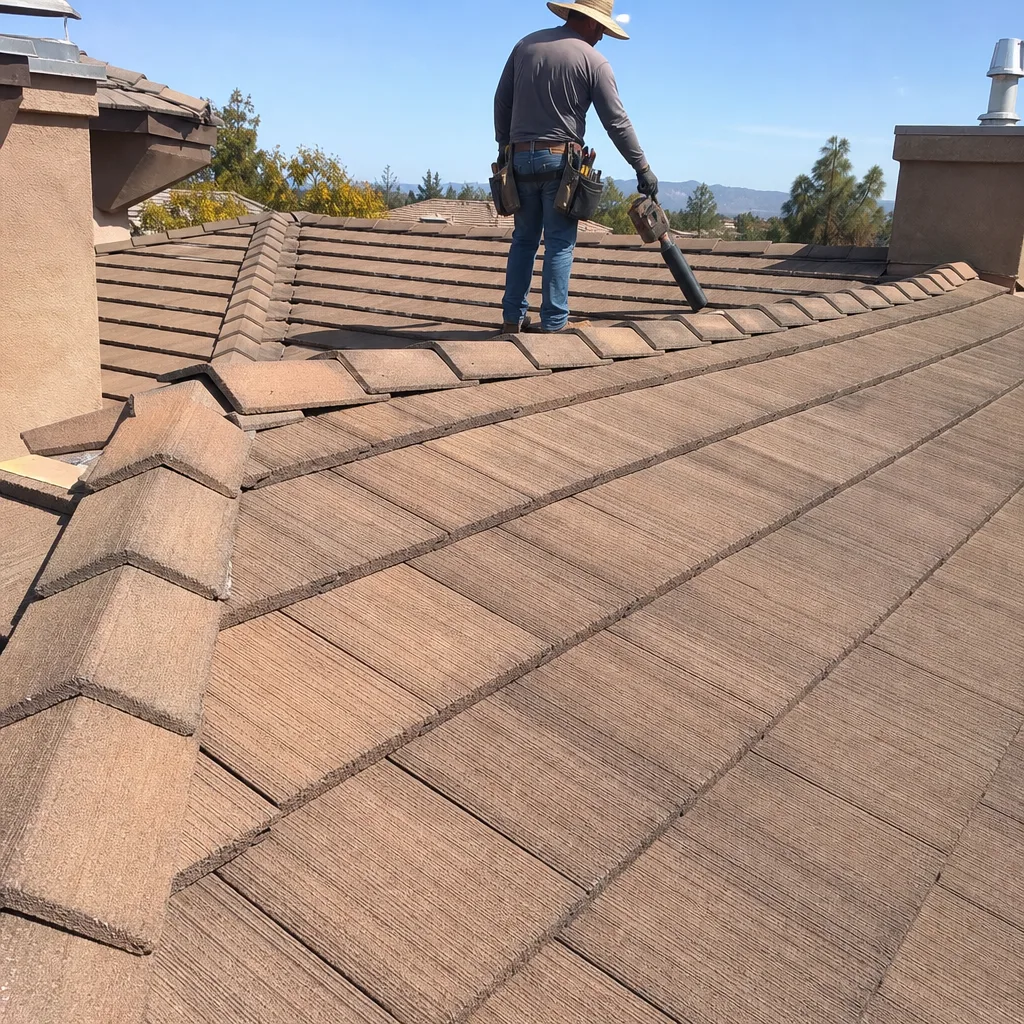
Tile roofs are common in Temecula, especially on hillside custom homes and Spanish-style construction. Concrete tile shrugs off UV and Santa Ana wind when properly fastened. It can easily last 50 years or more. But two caveats matter. First, tile is heavy, often 600 to 1,000 pounds per square, and not every roof deck was framed to carry it. Second, tile roofs fail at the underlayment, not the tile itself. The underlayment beneath tile breaks down over 20 to 30 years, and when it does, water reaches the decking while the tiles above still look fine. Replacing underlayment on a tile roof requires lifting tiles, which is a specialized job. If you’re considering tile, it’s a serious investment that only makes sense if you’re staying in the home long enough to realize its lifespan.
Standing Seam Metal: The Most Overlooked Option in Temecula
Standing seam metal handles every force this climate throws at it. UV doesn’t degrade a properly coated metal panel. Santa Ana winds slide over standing seams without lifting anything. Thermal cycling is managed by the panel design itself. The downsides are cost, typically 1.5 to 2 times an architectural shingle roof, and the need for specialized installation expertise. Few crews in Temecula install standing seam metal at a high level, so if you go this route, you’re paying for expertise, not just material. For the right hillside home with a steep slope and no shade, metal can be the most honest recommendation.
The key to material choice is honest matching. A value-tier shingle on a shaded valley floor home that rarely feels Santa Ana gusts might serve 20 years without complaint. The same shingle on an exposed hillside facing northeast toward the Santa Ana corridor could be a liability in 12. Seven manufacturer lines gives us the ability to match product to situation instead of pushing one brand upward into every bid. If you’re weighing whether to repair or replace, our Roof Repair in Temecula page explains what repair can and cannot accomplish on each of these material types.
Repair or Replace: How to Know Which One You Need
The most expensive mistake a homeowner in Temecula can make is replacing a roof that needed a $600 repair. The second most expensive mistake is patching a roof that should have been replaced, then paying for a full replacement two years later anyway. This is why inspection comes before recommendation. Here’s the diagnostic framework that separates one from the other.
Repair Is the Right Call When:
- The roof is under 10 years old and damage is isolated to one area, such as a small wind-lifted section or a single flashing failure around a pipe or chimney.
- The decking underneath is sound, with no signs of moisture intrusion, delamination, or rot.
- Granule loss is minimal for the roof’s age, and shingles still have flexibility when tested.
- The homeowner needs 3 to 5 more years before a full replacement fits the budget, and the failed area doesn’t compromise the underlayment envelope.
Replacement Is the Right Call When:
- Granule loss is visible across the entire roof surface, with asphalt showing through on multiple slopes.
- Shingles crack or tear when lifted gently, indicating the asphalt has lost its flexibility from years of thermal cycling.
- Multiple past repairs have created a patchwork that’s now more vulnerable than contiguous original shingles.
- Moisture has reached the decking in more than one place, visible as stained, swollen, or soft wood in the attic or during inspection.
- The roof is past its expected lifespan for its material class in Temecula conditions: roughly 15-18 years for 3-tab, 20-30 years for architectural, 25-35 years for premium architectural, and 40+ for tile with proper underlayment replacement.
What separates an honest assessment from a sales pitch is the inspection findings. A roofer who never walks the roof but quotes a replacement from the driveway is guessing. A roofer who inspects the decking from inside the attic, tests shingle flexibility, checks flashing integration, and measures granule loss can tell you exactly where your roof sits on the repair-to-replacement spectrum. That’s the process we follow at Baycrest Roofing, and it’s the reason we lead with inspection on every call. When repair is honest, we say so. When replacement is necessary, we can show you the evidence.
What a Full Roof Replacement Costs in Temecula
Roof replacement pricing in Temecula runs higher than the national average because of California labor rates, Riverside County permit fees, and the wind and fire code requirements that influence material specs. For a typical single-family home between 1,800 and 2,800 square feet, here’s what you should expect based on material tier.
| Material Tier | Cost Range (Full Replacement) | Expected Lifespan in Temecula | Best Fit |
|---|---|---|---|
| Entry-level architectural (IKO, Atlas) | $12,000 – $17,000 | 20-25 years | Shaded valley lots, budget-sensitive, moderate wind exposure |
| Mid-range architectural (CertainTeed Landmark, Owens Corning Duration) | $16,000 – $21,000 | 25-30 years | Most homes, good balance of cost and performance |
| Premium architectural (CertainTeed Grand Manor, Owens Corning Woodcrest) | $20,000 – $28,000 | 30-35 years | Hillside exposure, luxury homes, heavier granule coverage |
| Standing seam metal | $28,000 – $45,000 | 40-50 years | Steep slopes, high wind corridors, long-term ownership |
| Concrete tile (new install) | $30,000 – $55,000 | 50+ years with underlayment replacement | Structural capacity confirmed, Spanish/Mediterranean style |
These ranges assume standard roof complexity. Dormers, multiple valleys, steep pitch, three-story access, and tile tear-off all push the number up. A simple single-story ranch with one valley will land at the low end. A two-story hillside home with three dormers and a tile tear-off will land at or beyond the high end.
What’s included in a legitimate replacement quote matters as much as the number. Any quote from a licensed contractor in Temecula should include: removal and disposal of the existing roof, decking repair allowance for any sections that need replacement, new underlayment, new flashing at all penetrations and transitions, new shingles or tile, and final cleanup with magnetic nail sweep. If a quote doesn’t mention underlayment or flashing, it’s not a real quote. Those components are where roofs succeed or fail in this climate.
Permit fees in Riverside County add roughly $300 to $600 depending on project valuation, and any quote should include them. Some contractors leave permits out of the bid and surprise you later. Don’t accept that. Permits protect you through mandated inspections, and any roofer who suggests skipping them is asking you to accept liability for their work. Our Roof Replacement in Temecula page details our replacement process and what our written quotes include, line by line.
The Replacement Process: Permits, Install, Inspection
Understanding the sequence of a full roof replacement in Temecula removes most of the anxiety from the process. Here’s what the timeline looks like from contract to final sign-off, including Riverside County requirements.
- Contract and scheduling (1-2 weeks): After you’ve accepted a written estimate, the contractor schedules your project. Reputable crews in Temecula are often booked 2 to 6 weeks out, especially in late summer and fall when homeowners rush to finish before winter rains. Material ordered for your specific roof typically arrives on site the day before tear-off begins.
- Permit pull (1-3 days): The contractor submits project details to Riverside County Building and Safety. For a straightforward re-roof with no structural changes, this is usually an over-the-counter permit. If any decking replacement exceeds a certain threshold, the project may require additional review. The permit fee is typically folded into your contract.
- Tear-off (1 day for most homes): The crew removes the existing roofing material down to the decking. This includes underlayment and all flashing. Tear-off exposes the decking for the first time since the last roof went on, and this is when hidden damage gets identified. If decking sections show dry rot from past leaks, termite damage, or delamination from moisture, they’re replaced at a per-sheet cost agreed upon in the original contract.
- Deck inspection (same day, if required): Some projects require the county inspector to view the exposed decking before new material goes on. This is called a deck inspection or in-progress inspection. The contractor calls for it after tear-off but before underlayment installation.
- Underlayment and flashing installation (same day as tear-off or next day): High-quality synthetic underlayment goes down first, followed by new flashing at all penetrations, valleys, eaves, and wall transitions. In Temecula, this is the layer that keeps water out when wind-driven rain hits. Cutting corners here is invisible to the homeowner but shows up as a leak within five years.
- Shingle or tile installation (1-3 days): The visible roofing material goes on according to the manufacturer’s specific installation specs. This matters more than most homeowners realize. Each manufacturer has different nail placement, overlap requirements, and adhesive strip activation methods. A crew experienced with the specific product line gets this right; a crew winging it does not.
- Final inspection (1-2 days after completion): The county inspector reviews the finished work, verifying that installation matches the approved plan and code requirements. Once passed, the permit is closed and the project is officially complete.
Expect a full replacement to take 3 to 7 days from tear-off to final inspection, depending on home size, roof complexity, and crew size. Weather delays happen in winter, not summer. Santa Ana events in October and November complicate tear-off and shingle installation because of wind. A responsible contractor will sequence the work to avoid tearing off more roof than can be dried-in before nightfall.
Hillside vs. Valley Floor: Why Location on the Lot Matters
Two homes in Temecula can face entirely different roofing conditions based on where they sit. The valley floor neighborhoods like Paseo del Sol, Harveston, and parts of central Temecula are relatively protected. Wind speeds during Santa Ana events run lower at ground level in the valley, and afternoon sun is partially mitigated by surrounding homes and mature trees in established neighborhoods.
Hillside homes, particularly those in the De Luz area, Morgan Hill, and the slopes above wine country, face a different set of conditions. Elevation brings higher sustained wind speeds during Santa Ana events, with nothing to break the gusts as they funnel through passes and over ridgelines. A roof that faces northeast takes the brunt of wind-driven debris. This matters in three ways.
First, wind uplift ratings should be treated as a hard requirement, not a nice-to-have. On exposed hillsides, we recommend shingles rated for 110 mph minimum, with 130 mph preferred. This means upgrading from entry-level architectural shingles to mid-range or premium lines with higher wind warranty coverage. It also means using six nails per shingle instead of the standard four, which many manufacturers require for the highest wind ratings anyway.
Second, debris load changes. Hillside homes in Temecula collect more leaf litter, dust, and organic material during Santa Ana events because wind carries material uphill and drops it where topography slows the flow. Valleys clog more quickly on hillside homes, and clogged valleys direct water sideways under shingles instead of downward to the eaves. This is a primary source of hillside leaks that valley floor homes never experience.
Third, drainage requirements are more demanding on slopes. Gutters and downspouts on hillside homes need to handle higher runoff velocities during heavy rain events. The roof itself isn’t the issue, but the interface between the roof edge and the drainage system becomes critical. If your roof drains into a clogged or undersized gutter, the water backs up into the eave, soaks the fascia, and eventually finds the decking. Material recommendations for hillside homes should account for this: lower-profile shingle edges, positive drainage details at valleys, and flashing that extends further up wall transitions.
Valley floor homes still face thermal cycling and UV exposure, which means granule loss is the primary enemy rather than wind. The material choice for a valley home can lean toward value without losing sleep, assuming the installation quality is there. The words “inspect first, recommend second” apply equally to both, because the only way to know what your specific lot faces is to look at the roof itself, not the neighborhood average.
Santa Ana Wind Ratings: The Spec Most Guides Skip
Here’s the spec that separates a roof that survives its second Santa Ana season from one that doesn’t: wind uplift rating. Most roofing guides, even good ones, talk about fire ratings because Southern California is known for wildfires. Fire rating matters. But wind uplift is what sends shingles into your neighbor’s yard during a 65 mph gust, and it’s the spec most often ignored in product selection.
Every asphalt shingle carries a wind warranty from the manufacturer, typically 60 mph, 90 mph, 110 mph, or 130 mph. The rating applies when the shingles are installed according to the manufacturer’s high-wind installation instructions, which usually means six nails per shingle instead of four, and sometimes a specific sealant pattern along the eaves and rake edges. A shingle rated for 130 mph installed with four nails in a standard pattern won’t perform at 130 mph. The rating depends on installation details.
In Temecula, the highest-risk zones are the exposed northeast-facing slopes and ridgelines that receive the direct force of Santa Ana winds funneling through the mountain passes. These events don’t happen every year with equal intensity, but when they do, gusts in the 60 to 70 mph range are common, with localized higher speeds possible in wind corridors. A roof rated for 60 mph is gambling. A roof rated for 110 mph with wind-specific installation is engineered for the conditions.
California building codes have incrementally raised minimum wind design speeds over the past two decades, and Riverside County enforces those codes through the permitting process. But code minimum is a floor, not a ceiling. Code says what’s allowed. It doesn’t say what’s smart for a hillside home that’s taken wind damage twice in the last decade. This is why we use seven manufacturer lines: the right shingle for a protected Paseo del Sol home might come from Atlas, while the right shingle for an exposed Morgan Hill ridge might come from CertainTeed. The house tells us what it needs. Our job is to match the product.
One more note on wind: it’s not just the shingle itself that matters. Underlayment attachment, drip edge specification, and starter strip installation all affect how the roof’s edge behaves under uplift pressure. A roof’s most vulnerable point in wind is the perimeter, not the field. Details at the eaves and rakes decide whether a gust finds purchase or slides off. If you’re evaluating quotes for a Temecula replacement, ask how the contractor details the roof perimeter for wind. If they can’t answer in specifics, keep looking.
Common Mistakes to Avoid
- Choosing the cheapest shingle with no regard for wind rating. Entry-level 3-tab or low-end architectural shingles with 60 mph ratings are a liability on exposed lots in Temecula, and the savings evaporate with the first Santa Ana damage claim.
- Re-roofing over an existing layer to save on tear-off. While code sometimes permits a single overlay, doing so hides decking damage, doubles the weight on the structure, and shortens the lifespan of the new roof. It’s a short-term savings with long-term costs.
- Skipping the attic inspection during the assessment. The underside of the decking tells the real story: moisture stains, delamination, and fastener condition are only visible from inside. A roof inspection that stays on the outside is incomplete.
- Accepting a quote that leaves out underlayment or flashing. These are the waterproofing components that determine whether a roof leaks, and any legitimate quote specifies them explicitly. If the quote is a single line item that says “new roof,” it’s not a real bid.
- Waiting for visible leaks before acting. By the time water stains appear on the ceiling, the decking has been wet for months. The cost of repair escalates with every rain event. Granule loss, lifted shingles, and cracked flashing are all warnings that a cheaper fix is still possible.
- Assuming tile roofs never need maintenance. Tile itself lasts, but the underlayment beneath it does not. A tile roof approaching 25 to 30 years needs an underlayment assessment, even if the tiles look flawless from the street.
- Hiring based on the lowest bid without verifying manufacturer credentials. Shingle warranties depend on installation by crews that follow the manufacturer’s specific specs. A low bid often means a crew that’s winging it, which voids the warranty and shortens the roof’s life.
See the difference
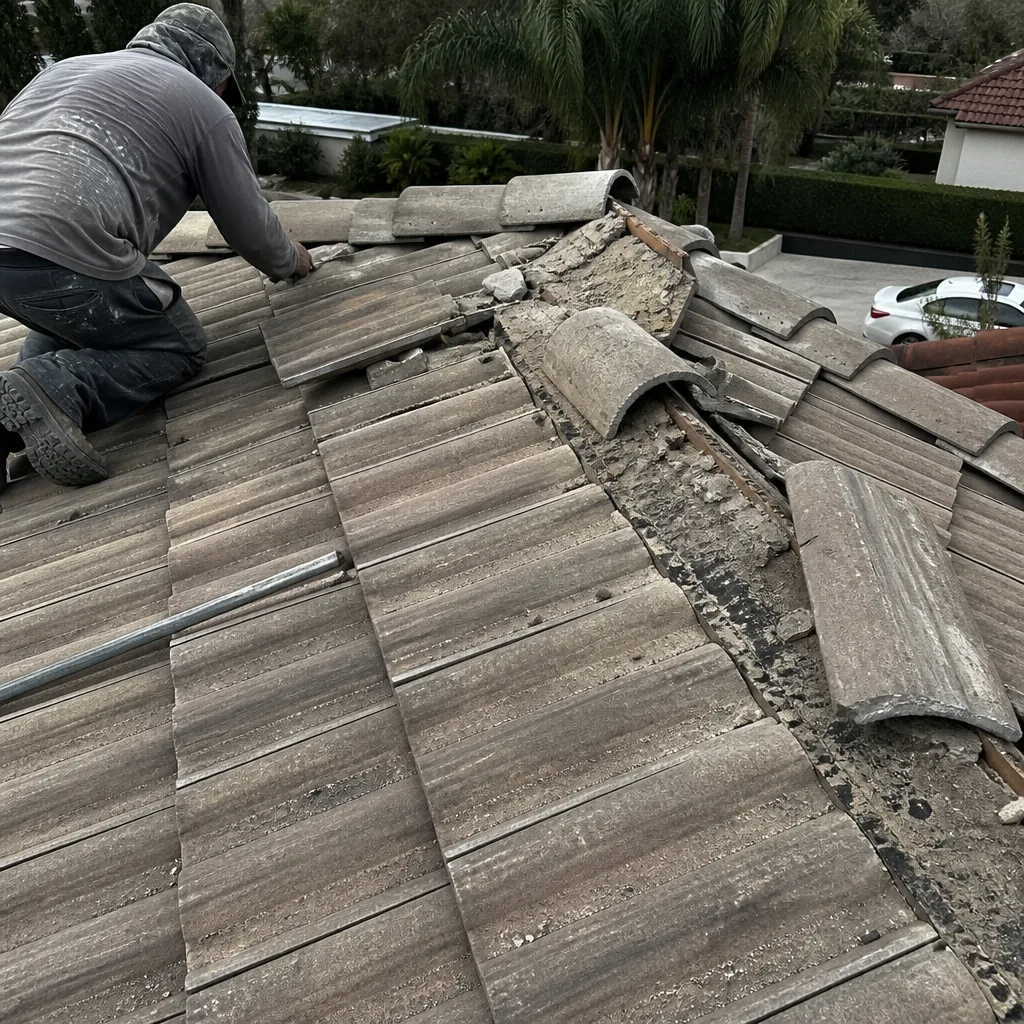 Before
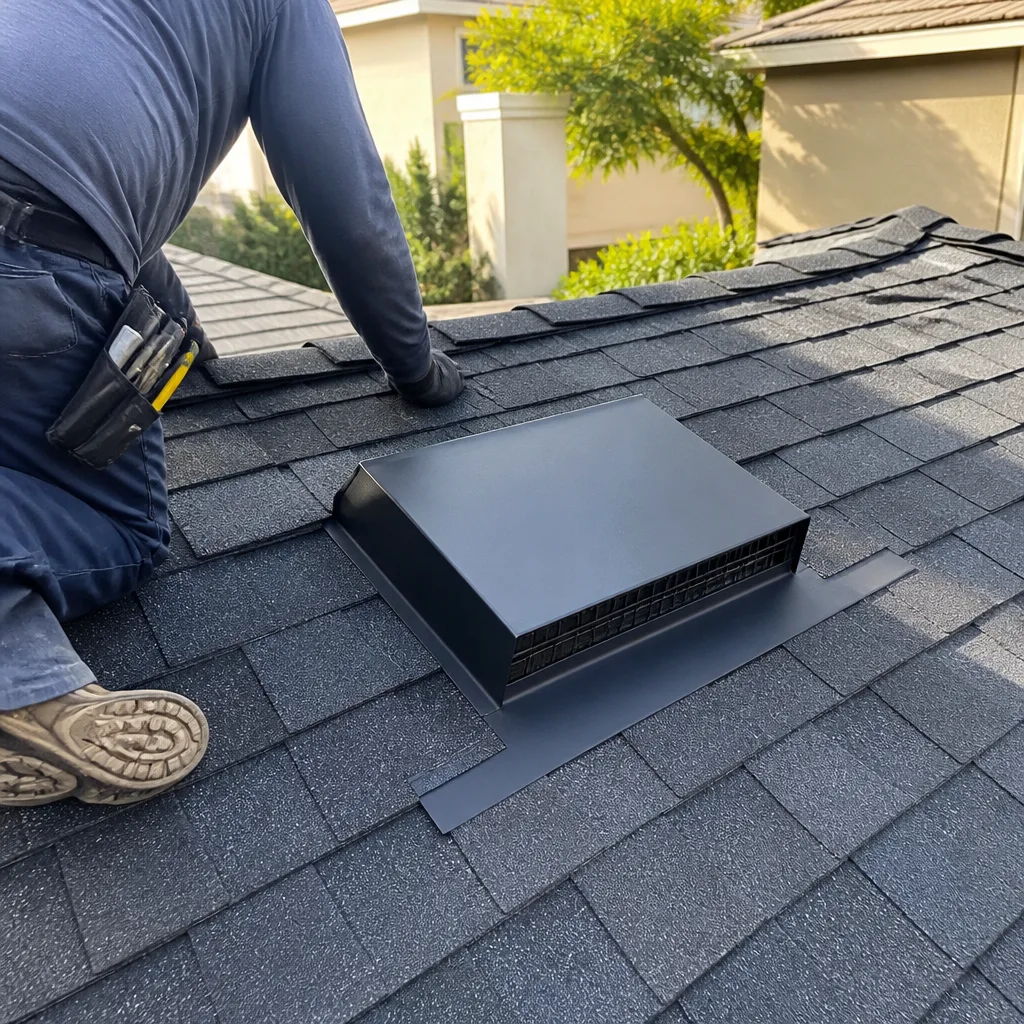 After
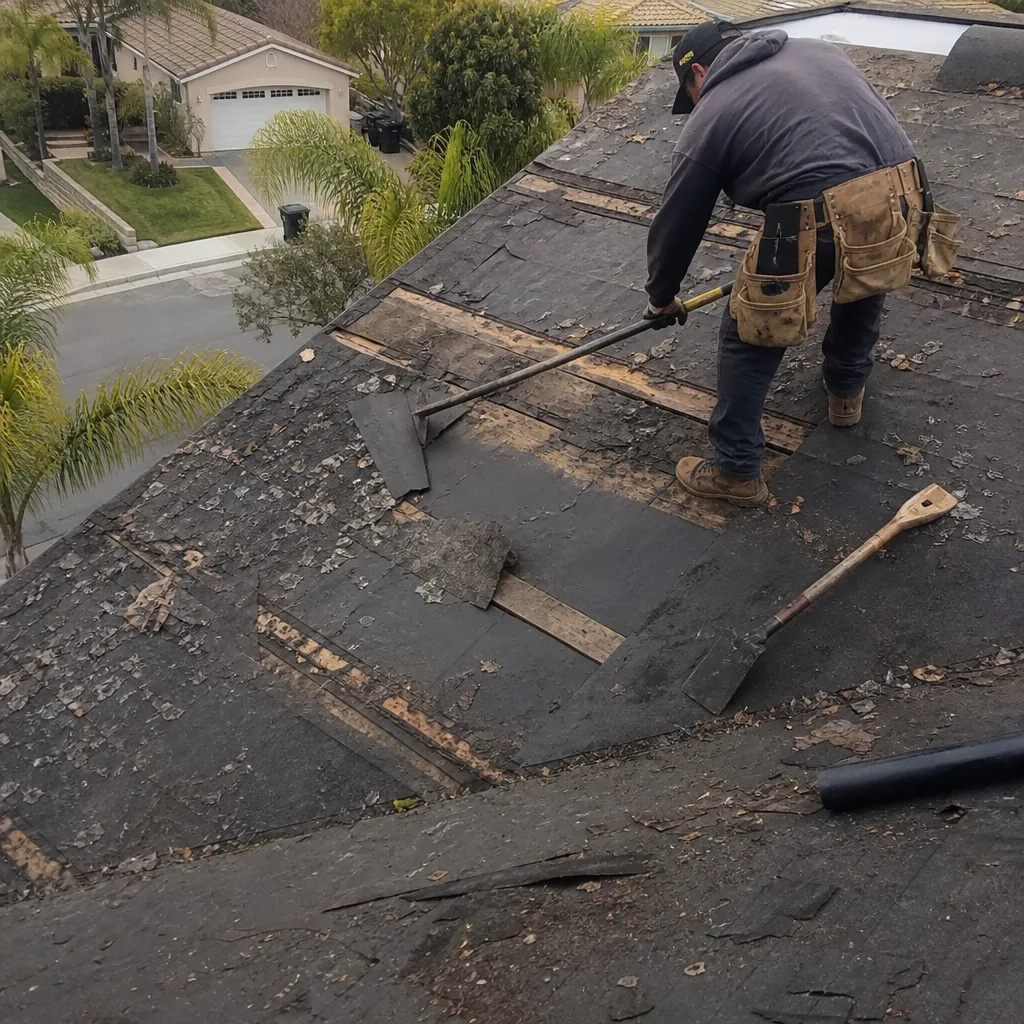 Before
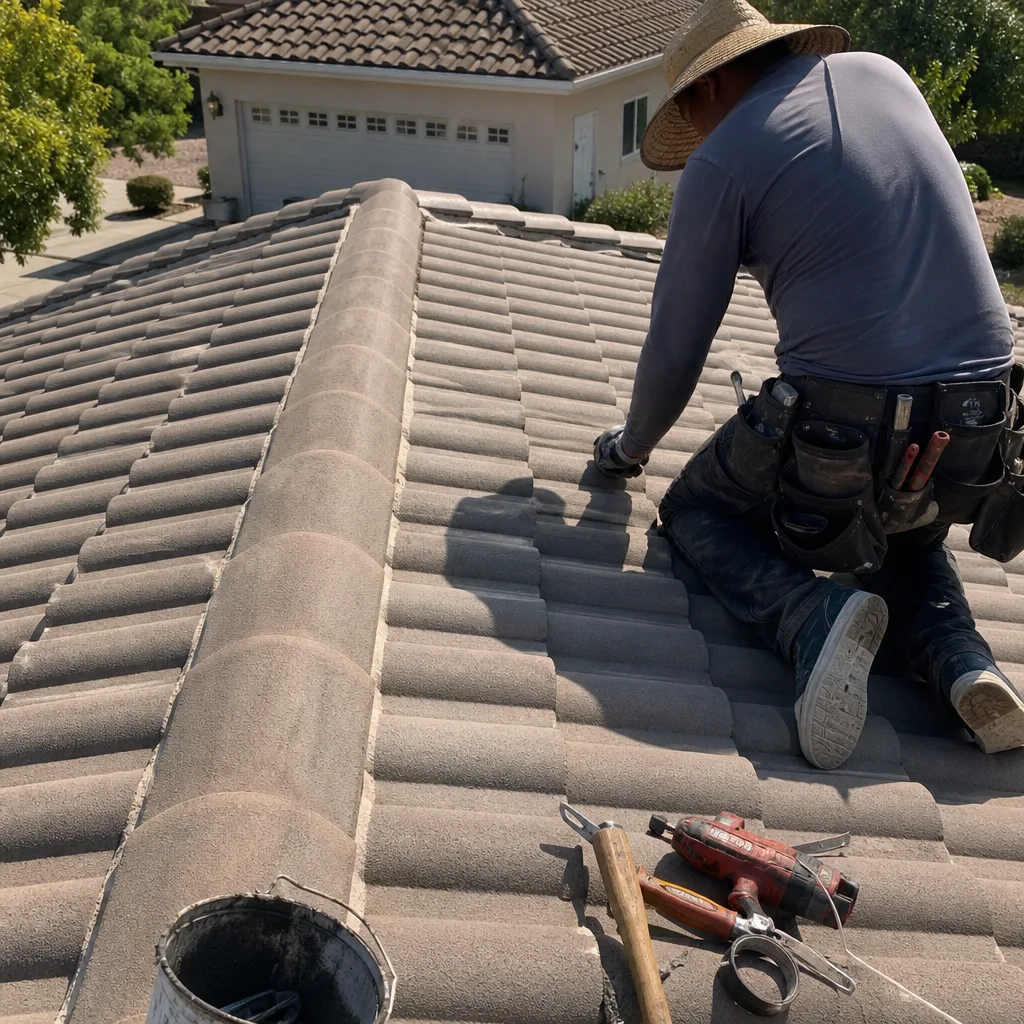 After
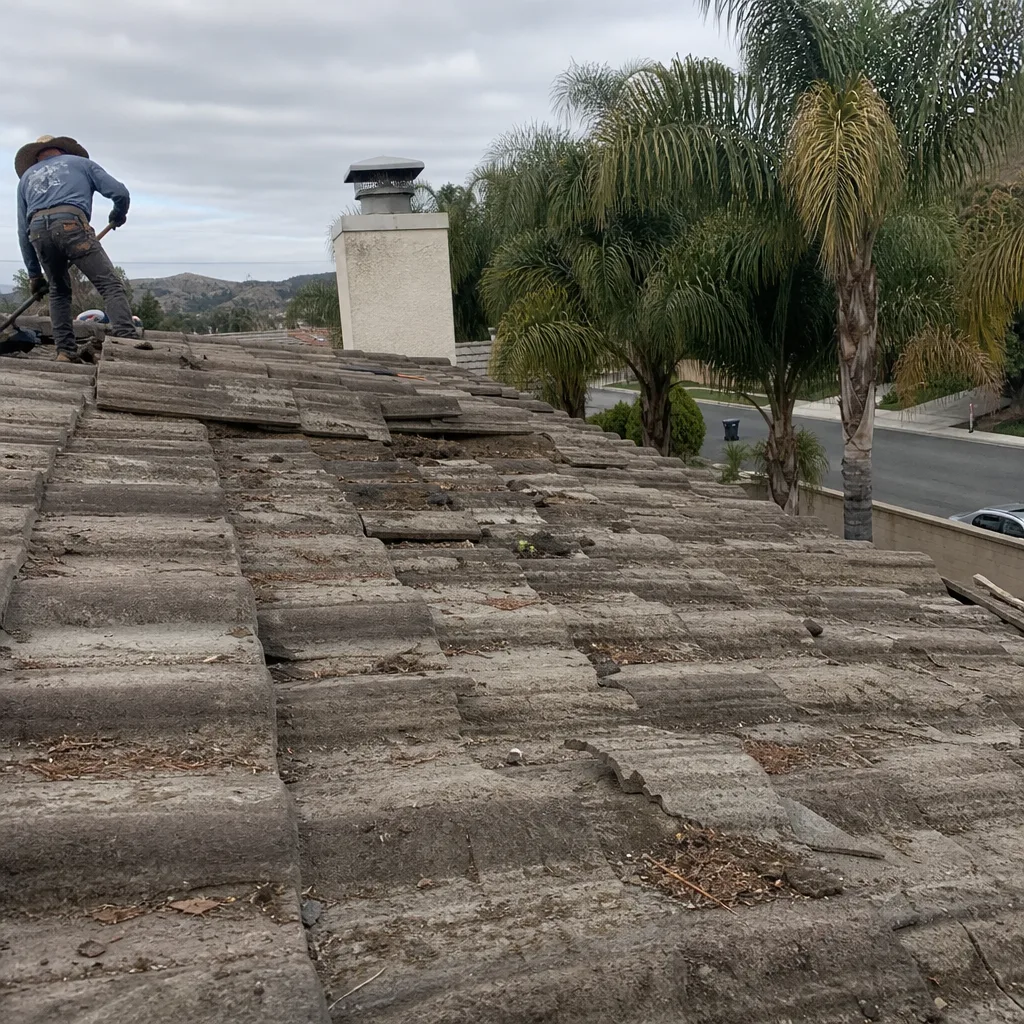 Before
 After
When to Call a Professional
Some situations call for an immediate inspection rather than continued observation. If you see shingles in the yard after a Santa Ana event, call a roofer before the next rain. If you notice water stains on ceilings or walls during winter storms, the leak has already reached the interior, and every additional rain multiplies the repair scope. If your roof is over 15 years old and you’re seeing significant granule accumulation in gutters or at downspout exits, it’s time for a diagnostic inspection. If you’re preparing to sell, a pre-listing roof inspection identifies issues before a buyer’s inspector does. Baycrest Roofing offers free estimates in Temecula. Call (866) 412-5697 and we’ll inspect your roof, walk you through the findings, and recommend the right next step without pressure. That’s how we work: Baycrest Roofing home inspections come first, recommendations second.
Frequently Asked Questions
A full roof replacement in Temecula typically costs between $12,000 and $28,000 for a standard single-family home, with entry-level architectural shingles starting around $12,000 and premium architectural or metal systems reaching $30,000 or more on complex homes. The exact figure depends on roof size, pitch, material tier, the number of existing layers being removed, and whether any decking needs replacement. Call (866) 412-5697 for a written, line-item estimate on your specific roof, and check our Roof Replacement in Temecula page for a deeper breakdown.
In Temecula, a 3-tab asphalt roof typically lasts 15 to 18 years, an architectural shingle roof 20 to 30 years depending on product tier and installation quality, and a tile roof 40 to 50 years with proper underlayment replacement around year 25. These numbers assume correct installation, adequate ventilation, and no major wind damage events. The climate triangle of UV, thermal cycling, and Santa Ana winds shortens lifespan compared to coastal Southern California by roughly 3 to 5 years.
Yes, if the roof is under 10 years old, damage is isolated to a single area, and the decking is sound, a targeted repair is often the right call and costs a fraction of a replacement. The only way to know for certain is a proper inspection that includes attic access and shingle testing. Our Roof Repair in Temecula service is built on this inspect-first approach, and we’ll recommend repair whenever it’s the honest answer.
Yes, the City of Temecula and Riverside County require permits for full roof replacements, and most repairs that involve more than a small patch also require sign-off. A licensed contractor pulls the permit as part of the project and schedules the required inspections. Any roofer who suggests skipping the permit is putting you at risk, not saving you money.
Santa Ana winds in Temecula create uplift pressure along roof edges and at ridges, lifting shingles that are already weakened by thermal cycling and UV exposure, especially on exposed hillside lots facing northeast. The right protection is a shingle with a 110 mph or higher wind rating installed with the manufacturer’s high-wind nailing pattern, usually six nails per shingle. Wind uplift ratings, not just fire ratings, should be the first spec checked when evaluating materials.
Baycrest Roofing is authorized to install products from seven major manufacturers, including CertainTeed, Owens Corning, IKO, and Atlas, which means the material recommendation is based on your roof’s specific conditions rather than a single brand’s inventory. We match the material to your roof, not your roof to our inventory. Each crew is trained in the installation nuances, failure points, and warranty requirements of the specific product line being installed.
The Bottom Line
Roofing in Temecula isn’t a generic product decision. It’s a response to a specific set of forces: 280-plus days of UV and heat, a dozen or more days of Santa Ana wind each year, and sudden heavy rain that finds every weakness the first two have created. The homeowners who get 30 years from a roof here are the ones who understand wind ratings, inspect before deciding, and match material to exposure rather than price alone. A repair is the right call more often than the replacement-first crowd would have you believe, but when replacement is necessary, doing it correctly with the right product beats doing it cheaply. Start with an inspection, understand what your specific roof faces, and make the decision from evidence, not from a sales script. If you’re ready to know where your roof actually stands, call (866) 412-5697 and we’ll show you.
Written by the team at Baycrest Roofing, serving Temecula since 2013.