Last updated October 31, 2026
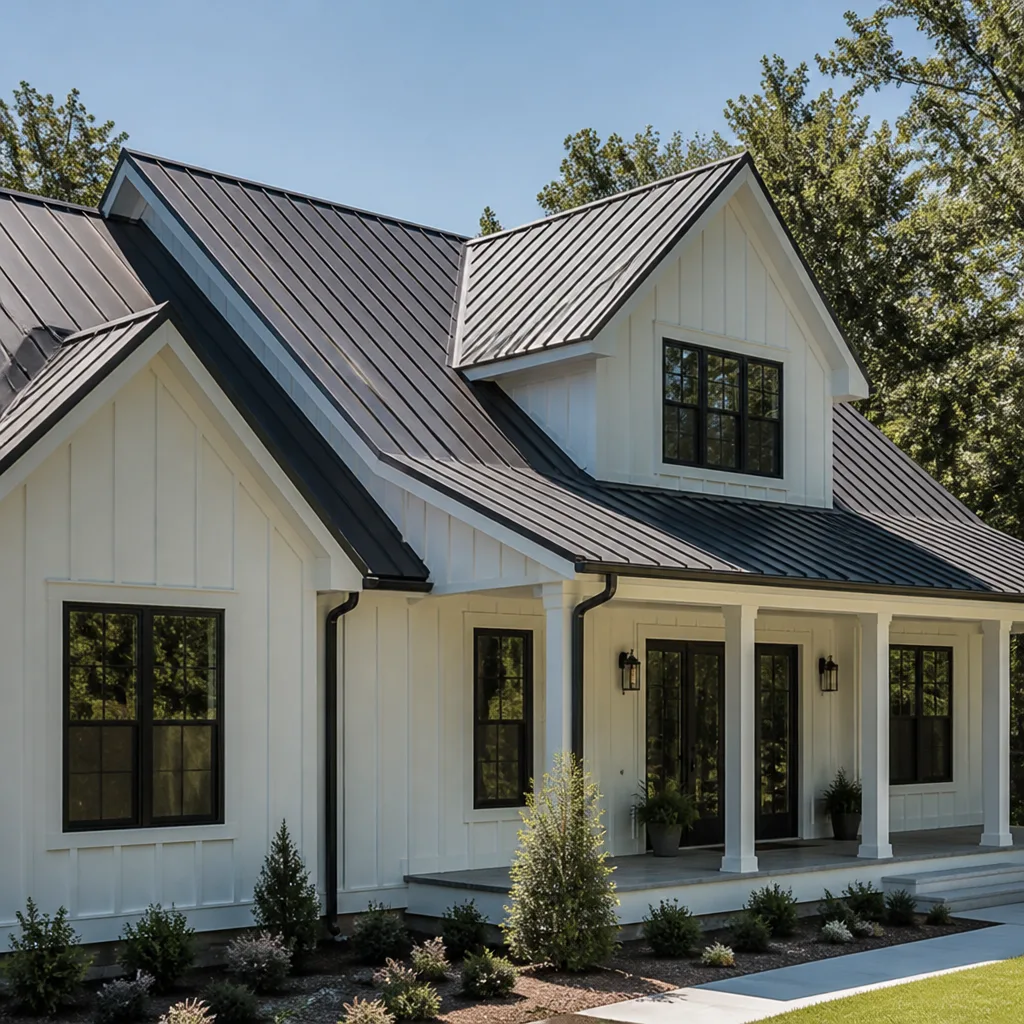 Metal roofing
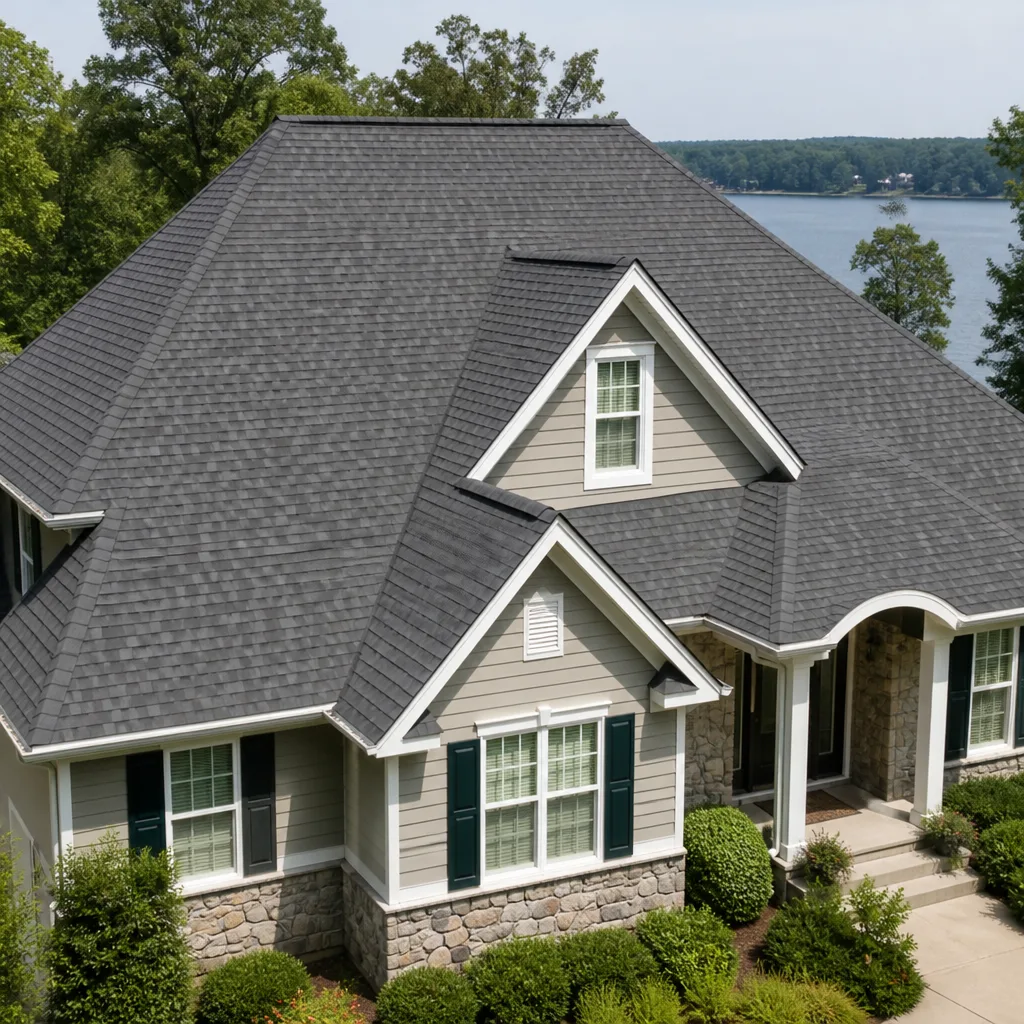
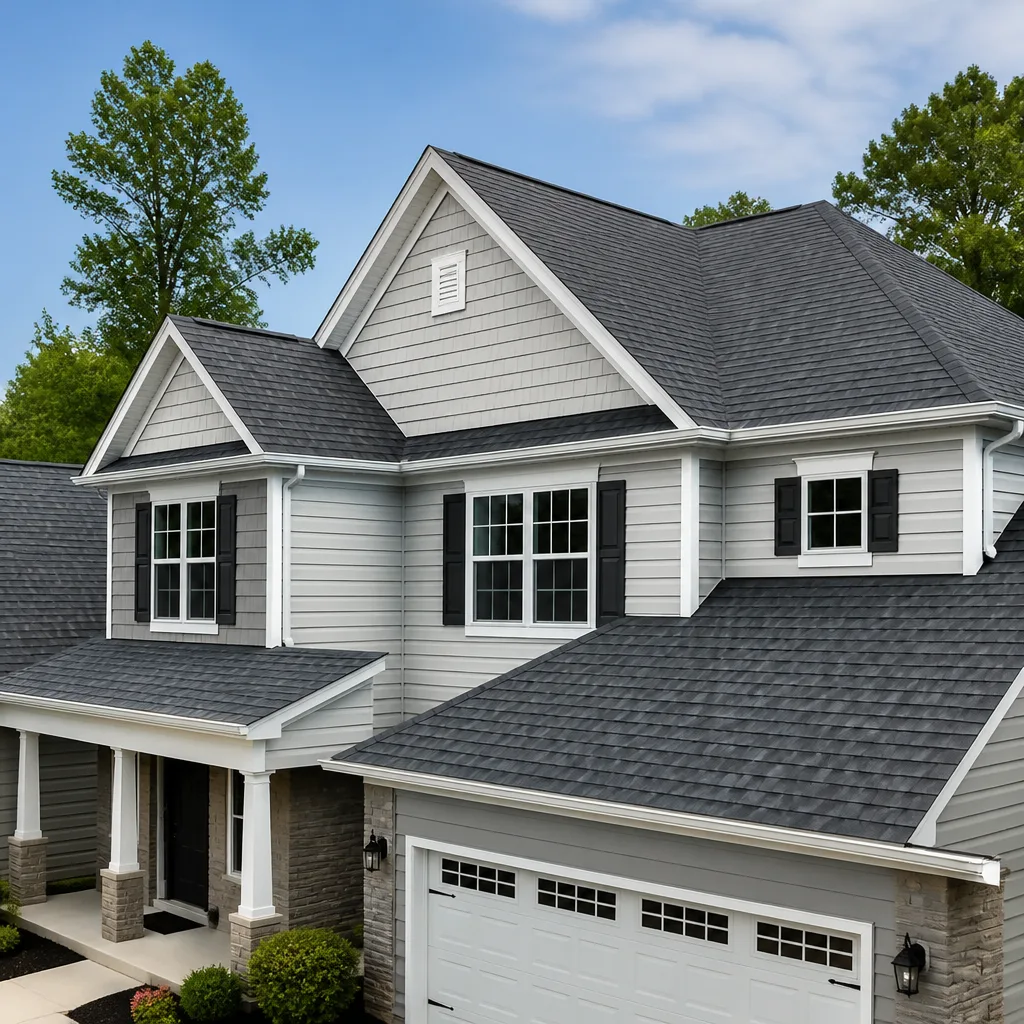 Architectural shingles
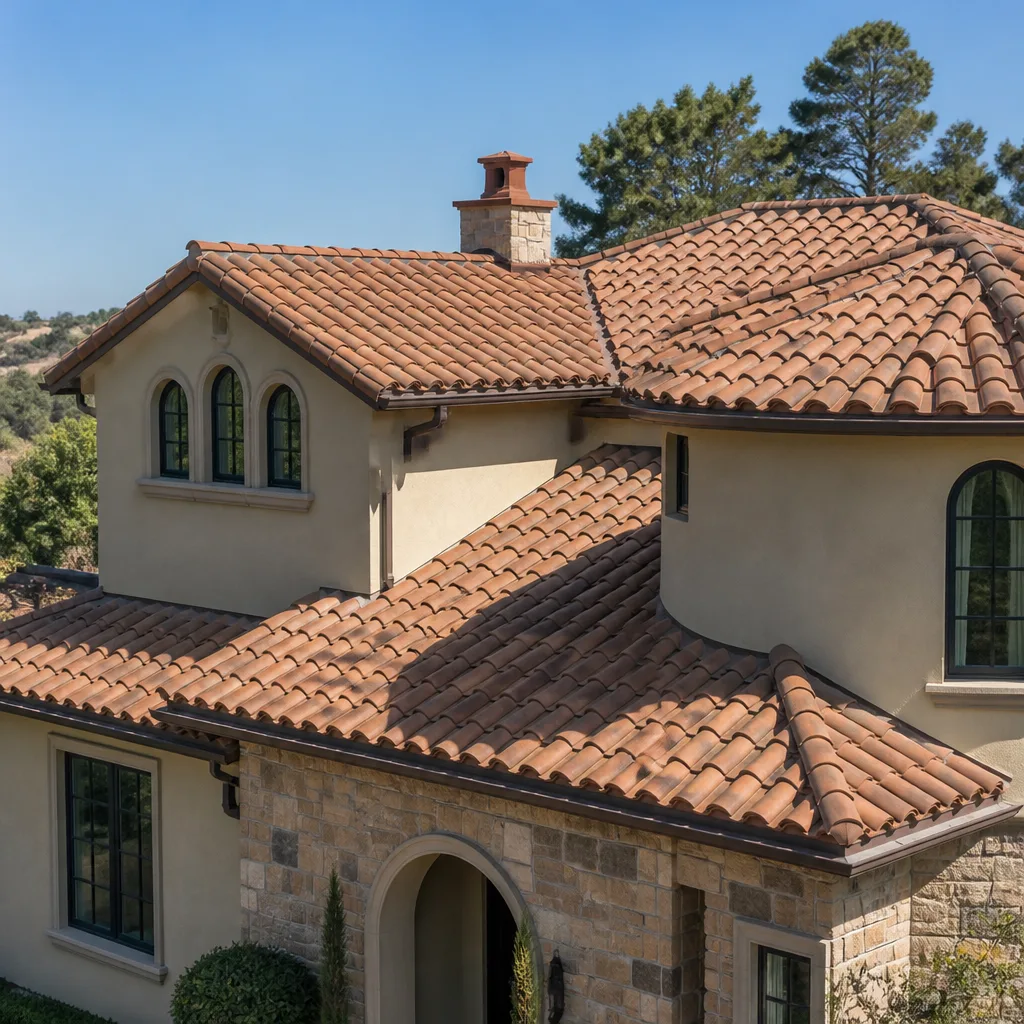 Tile roofing
 GAF
 Owens Corning
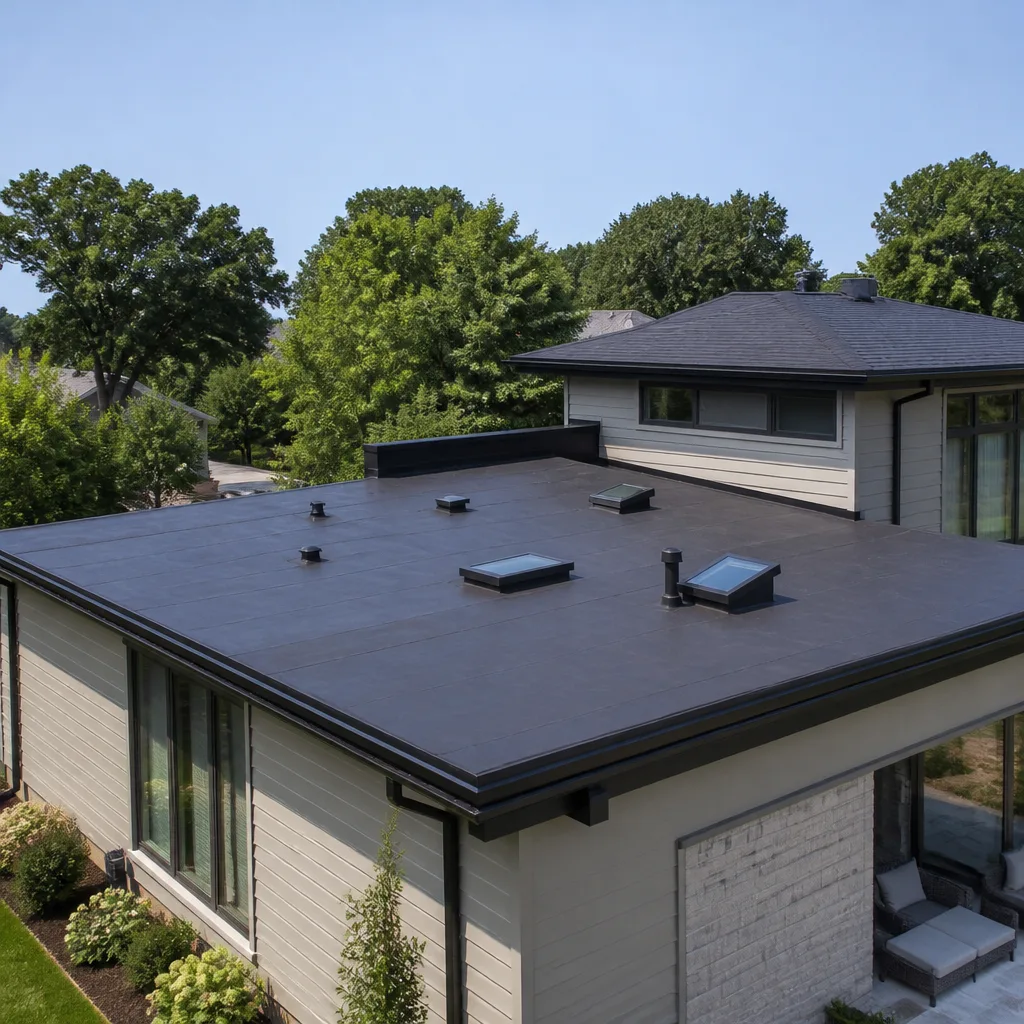 Flat & low-slope
Free roof inspection with deck photos before we talk money - GAF and Owens Corning certified installation
Roofing Emergency Preparedness Guide for Temecula Homes
After a Santa Ana wind event, Temecula roofing contractors are typically booked 10 to 14 days out. The homeowners who avoid five-figure interior damage are rarely the ones with the newest roofs. They’re the ones who knew exactly what to do in hours one through seventy-two, before the first contractor even returned their call. This guide walks you through the full arc of a Temecula roofing emergency: what happens in the first 72 hours, how to document for insurance, how to spot a storm-chaser, what to keep in an emergency kit, and how to make the repair-or-replace call without going onto the roof. For seasonal roofing care for Temecula that helps prevent emergencies, see our year-round homeowner’s guide. If you live in Temecula, you already know the wind. Here’s what to do when the wind knows your house.
Styles & brands we work with
Quick Answer
Roofing emergency preparedness in Temecula means having a 72-hour plan for Santa Ana wind damage and post-storm leaks before they happen: tarp and document immediately, assess from the ground first, call your insurer within 24 hours, and use a licensed local contractor with manufacturer credentials rather than a storm-chaser. The single most important action after any wind event is photographing every damaged area before you move a single piece of debris.
Table of Contents
- The Two Emergencies Temecula Homeowners Actually Face
- The 72-Hour Response Protocol for Wind Damage
- Surface Impact vs. Structural Breach: How to Tell From the Ground
- What Temecula Insurance Policies Cover and the Documentation That Decides Your Claim
- The Temecula Roofing Emergency Kit: Exact Items, Sizes, and Products
- How to Vet an Emergency Roofer During Peak Post-Storm Demand
- Repair vs. Replace After an Emergency: The Inspection-First Standard
- Common Mistakes to Avoid
- When to Call a Professional
- Frequently Asked Questions
- The Bottom Line
The Two Emergencies Temecula Homeowners Actually Face
When people think “roofing emergency,” they picture the dramatic scene: a tree limb through the deck, shingles scattered across the lawn, water pouring through a bedroom ceiling. That’s the first kind, and it’s real. Santa Ana winds in October and November routinely push gusts over 60 mph through the Temecula Valley, and the damage is immediate and visible. In our experience working on homes across Temecula’s communities, from Redhawk to Harveston to Paseo del Sol, the homes that sustain the worst damage are rarely the ones hit hardest by wind. They’re the homes where a small breach went unnoticed for two weeks.
The second emergency is quieter and more expensive. It’s the slow-onset post-storm leak. A wind-lifted shingle edge, a displaced ridge cap, a cracked seal around a vent pipe. None of these look urgent from the ground. None of them are visible from inside the house until water has already saturated insulation, wicked into drywall, and begun the long, quiet work of rot and mold. By the time a Temecula homeowner sees a watermark on the ceiling, the repair has moved from a $400 shingle replacement to a $7,000 ceiling, insulation, and sheathing project. Sometimes more.
These two emergencies demand different responses, different timelines, and different documentation. The immediate physical damage emergency is about containment and insurance. The slow-onset leak emergency is about early detection and honest assessment. A Roof Inspection in Temecula after any significant wind event catches the quiet emergency before it becomes structural. That inspection-led approach is the core of how we operate at Baycrest Roofing home: assess actual condition first, recommend work second.
The 72-Hour Response Protocol for Wind Damage
After a Santa Ana event, what you do in the first three days determines whether your claim is approved, your interior is protected, and your repair cost stays reasonable. Here’s a numbered sequence we’ve developed from walking hundreds of Temecula roofs after wind events:
- Hour 1: Photograph everything from the ground. Walk the full perimeter of your home. Take wide shots showing the entire roof plane, then close-ups of every area where shingles look lifted, missing, or displaced. Use your phone’s timestamp feature or a piece of paper with the date written on it held in frame. Do not move anything yet. Every shingle in the yard, every piece of flashing in the gutter, every granule pile at the downspout is evidence.
- Hour 2: Tarp only what is actively allowing water in. If you can see daylight from inside the attic or water is entering the living space, a tarp goes on. For any other damage, leave it alone. A poorly anchored tarp in Santa Ana winds becomes a sail that rips off more shingles. Use a heavy-duty polyethylene tarp (not the thin blue ones), anchor it with 1×2 wood strips and cap nails, not bungee cords or ropes.
- Hour 3: Document interior moisture. If water has entered the house, photograph the ceiling, the floor, and any belongings affected. Take a photo from the affected room looking up at the ceiling stain from three angles. Insurance adjusters need to see the full path of water.
- Hour 6: Call your insurance carrier. Most Temecula homeowner’s policies require prompt notification. The initial call is a claim opening, not a commitment. State the facts: what happened, when, what you’ve observed, what you’ve photographed. Request a claim number. If you wait 72 hours and try to file, the insurer will ask why. Keep the answer simple.
- Hour 24: Get a licensed Temecula roofer out for a documented assessment. Even if the adjuster won’t arrive for a week, a local roofer can assess the damage, provide a written conditional assessment, and help you understand what the adjuster will be looking for. This document is also useful if the adjuster’s findings differ significantly from an on-site roofer’s observations.
- Hours 48-72: Move forward with mitigation. If the roofer’s assessment confirms shingle loss, nail pops, or flashing displacement, begin repair work. Keep every receipt, every photo, every piece of communication. The insurance carrier will need a paper trail.
The most common mistake Temecula homeowners make during this window is waiting. They wait because the damage “doesn’t look that bad.” They wait because a contractor said it would be 10 days. They wait because they’re not sure the insurance deductible is worth it. Each day of waiting during a Southern California winter’s intermittent rain cycles is a day water can find the breach. We match the material to your roof, not your roof to our inventory, which means a Temecula home with GAF shingles gets GAF-compatible repair components rather than whatever is on the truck. That matching starts with knowing what’s there, which is why the inspection comes first.
Surface Impact vs. Structural Breach: How to Tell From the Ground
Without going on the roof, a Temecula homeowner can distinguish between a surface impact and a structural breach. The distinction matters because it determines the timeline. A surface impact can wait a week for a contractor. A structural breach needs action today.
Signs of a surface impact (shingle and flashing damage only):
- Shingles in the yard, on the driveway, or in the gutter. This is shingle loss from wind uplift. It’s urgent but not an emergency if there is no active moisture entry.
- Granules collecting in gutters or at downspout exits. This indicates shingle surface wear, often from wind-driven debris scraping across the roof. It shortens shingle life but doesn’t immediately open the house to water.
- Lifted shingle edges visible from the ground. On a two-story Temecula home, you may need to step back 30 feet and look for lines that don’t align or shingle tabs that catch light differently.
- Flashing that appears peeled back at pipe penetrations or chimney bases. If the flashing is displaced but the underlayment beneath remains intact, water has not yet entered.
Signs of a structural breach (water path into the home):
- Daylight visible through the roof deck from inside the attic. This is definitive. If you can see sky, water can see you.
- Water staining on ceiling drywall that expands within 24 hours of rain. A static stain could be old. A growing stain is proof of an active path.
- Attic insulation that is damp to the touch in a localized area under the roof plane. Wet insulation compresses and loses R-value; that localized dampness points directly to the entry point.
- Sagging or soft spots in the roof deck visible from the attic. If the plywood or OSB shows delamination, swelling, or staining, the deck has been exposed to repeated moisture cycles.
- Nail pops with rust streaks in the attic. The rust tells you moisture reached the fastener, which means the water path has been active for at least weeks.
For Temecula homeowners with cathedral ceilings, the attic check isn’t possible. In that case, the indoor signs are your only evidence: ceiling discoloration, paint bubbling, a musty odor in a specific room that worsens after rain. If any of these are present, do not wait for an adjuster to show up. Call a roofer. We’ve seen homes in Temecula where a single lifted shingle tab above a cathedral ceiling in September became a full sheathing replacement by February because the owner couldn’t see the attic.
What Temecula Insurance Policies Cover and the Documentation That Decides Your Claim
Standard California homeowner’s insurance policies in Temecula cover wind damage and debris impact under named perils. That’s the good news. The bad news is that the policy’s definition of a “covered peril” is narrower than most homeowners assume, and the documentation determines which side of that definition your claim lands on.
Typically covered:
- Wind damage from Santa Ana events, including lifted shingles, blown-off ridge cap, displaced flashing, and fallen tree limbs that puncture the roof.
- Debris impact from wind-driven objects, including tiles, branches, and outdoor furniture that lands on the roof.
- Water damage that results directly from a covered wind peril. Important: the wind event must be the cause. The water damage is consequential, so it’s covered only when you can document the wind event that allowed the water in.
Typically excluded or contested:
- Gradual wear and tear. If shingles failed because they were 25 years old and brittle, not because wind lifted them, the insurer will call it maintenance, not peril.
- Long-term seepage. A slow leak that started two months ago and wasn’t addressed is usually classified as negligence or lack of maintenance, not a covered peril event.
- Pre-existing damage. If an adjuster sees evidence that a shingle was already loose before the storm, that portion of the claim can be denied.
The documentation that keeps your claim on the covered side of this line includes: dated photographs of the roof before and after the event, the weather record for the specific date (NOAA data showing the Santa Ana wind event in Temecula), the roofer’s written assessment stating that the damage is consistent with wind uplift rather than age-related failure, and your contemporaneous notes about when you first noticed the issue. The fewer days between the event and your documentation, the stronger the causal link. If you’re unsure whether your roof has pre-existing conditions that could complicate a future claim, a Roof Repair in Temecula assessment before storm season documents the baseline. That baseline is your best friend when an adjuster asks, “Was this like that before the wind?”
The Temecula Roofing Emergency Kit: Exact Items, Sizes, and Products
Most emergency preparedness lists are generic. A roofing-specific kit for a Temecula home is different because Santa Ana winds create a specific failure pattern: shingles lift, granules shear off, and water enters through wind-driven rain at the underlayment seams. Here’s what you should have in a labeled bin in the garage, and why each item is on the list:
- Heavy-duty polyethylene tarp, 20′ x 30′ minimum, 10-mil thickness or greater. Standard blue tarps from the hardware store are 5-mil and tear under sustained wind load. The larger size lets you cover from ridge to eave on most Temecula single-story roof planes. For a two-story home, keep two 20′ x 30′ tarps.
- 1×2 wood furring strips, 8′ lengths (six strips). These anchor the tarp across the ridgeline and along the edges. Cap nails driven through the furring strips into the roof deck hold the tarp better than any grommet-and-tie method.
- 1¾” cap nails or roofing nails, 1-lb box. Standard roofing nails have wider heads that won’t tear through the tarp. Do not use screws with washers; they create their own puncture points that are harder to seal later.
- Roofing-grade sealant, specifically Henry or Sika brand, one tube. This is for small punctures and fastener holes that don’t require a full tarp. A tube of high-quality sealant applied to a small debris puncture can hold for days until permanent repair. The hardware-store silicone variant is not the same product.
- Butyl tape, one roll. For sealing around vent pipes and flashing junctions that have been displaced by wind. Butyl tape adheres to metal and shingle granule surfaces and remains watertight under UV exposure for weeks.
- A digital camera or phone with timestamp and GPS tagging enabled. Your phone is sufficient. The timestamp is non-negotiable for insurance. If your phone doesn’t timestamp, write the date on a piece of paper and include it in every photo.
- A headlamp, not a flashlight. If you’re checking the attic at night while searching for the water entry point, you need both hands free. A headlamp is a $20 piece of safety equipment that changes the entire attic inspection.
- Disposable shoe covers or dedicated attic shoes. You don’t want to track insulation fibers back into the house. And you don’t want to slip on a dusty rafter.
Do not keep a ladder as part of this kit for the purpose of going on the roof. We deliberately recommend ground-level and attic-level documentation only. The fall risk on a wind-damaged Temecula roof is not worth the incremental information you’d gain. We’ve been on hundreds of roofs and still approach each one with caution. A homeowner with a headlamp and a phone can document 90% of what an adjuster needs without leaving the ground.
How to Vet an Emergency Roofer During Peak Post-Storm Demand
After a major Santa Ana event, Temecula sees an influx of out-of-area storm-chasers. They arrive within 48 hours, knock on doors, and offer “free inspections” that always find damage. They often aren’t licensed in California, don’t carry workers’ compensation, and disappear before warranty claims surface. Here’s how to sort the legitimate from the predatory during peak demand:
- Verify the CSLB license. Ask for the contractor’s California State License Board number. Verify it at cslb.ca.gov. A legitimate roofer gives you the number without hesitation and it matches the company name exactly. If the license is in a different company name or the person at the door won’t provide it, walk away.
- Confirm local presence. Ask for the Temecula business address, not a P.O. box. A storm-chaser’s address is often a rental mailbox in Riverside or San Diego or, increasingly, an out-of-state address entirely. A legitimate Temecula roofer has a local phone number, a local crew, and a reputation among local homeowners.
- Ask about manufacturer credentials. Roofing manufacturers like GAF, CertainTeed, Owens Corning, and others maintain certification programs for installers. A roofer who is certified by multiple manufacturers has passed training on each product line’s installation requirements. Storm-chasers rarely hold any manufacturer credentials because those programs require a verifiable business history.
- Request their license, insurance, and workers’ comp certificates before any work begins. In California, roofing contractors must carry workers’ compensation insurance. A crew injury on your property without workers’ comp can become your liability. Any professional roofer provides these documents as standard practice.
- Get the inspection before the quote. A storm-chaser’s model is quote-first: generate a number, create urgency, close the deal. A Temecula roofer operating on an inspection-led model will want to see the attic, check the deck condition, and identify the actual failure point before advising repair or replacement. If a contractor provides a replacement quote without once entering the attic, they’re not diagnosing, they’re selling.
Baycrest Roofing’s position on this is consistent across every emergency call we take in Temecula: inspect first, recommend second. We carry seven major shingle manufacturers (GAF, CertainTeed, Owens Corning, IKO, Atlas, Tamko, and Boral), which means our recommendation after a wind event is based on what’s actually on the roof and what condition it’s in, not on what we have a margin incentive to sell. That breadth of manufacturer relationships is the difference between a contractor who repairs honestly and one who replaces unnecessarily. For a complete explanation of our replacement criteria after storm damage, see Roof Replacement in Temecula.
Repair vs. Replace After an Emergency: The Inspection-First Standard
After a Temecula wind event damages a roof, the first question homeowners ask is almost always, “Can this be repaired, or does the whole roof need to be replaced?” The honest answer depends on four factors that only an on-site inspection can establish:
- Age and condition of the existing roof system. If the roof is 18 years old with granular loss already visible, a wind event that lifts 15 shingles may be the moment to talk replacement rather than patching. If the roof is 8 years old and the damage is localized to one plane, a repair is the honest recommendation.
- Extent of shingle loss. A repair makes sense when the damage is concentrated: one slope, one corner, one section of ridge cap. When shingles are missing from multiple planes and the deck is exposed in several places, repair costs often approach replacement territory, and the insurer frequently agrees.
- Deck condition. This is the factor storm-chasers skip and honest roofers verify. If the sheathing is saturated, delaminated, or soft, a shingle repair is cosmetic. The deck must be replaced before new shingles go on. Accessing the deck requires removing the damaged shingles, which is why the inspection includes attic access and, where safe, on-roof verification.
- Manufacturer matching. If your Temecula home has CertainTeed shingles and only two bundles are damaged, a repair using CertainTeed product restores the roof to original spec. If the home has Tamko or IKO or Atlas product (common value-tier choices in Temecula’s hotter, drier exposure), the same matching logic applies. A roofer who stocks one brand and offers no alternatives will tell you the whole roof needs replacing because they can’t source the match. We see this constantly. When a contractor can only quote replacement, ask why repair isn’t on the table. Often the answer is inventory, not integrity.
Repair when repair is honest, replace when replacement is necessary. That standard matters more in an emergency context because the pressure to decide quickly is real. Take the inspection report. Read it. Ask the roofer to show you photos of the attic, the deck, and the damaged areas. A contractor who refuses to share evidence is not operating on an inspect-first model. In Temecula, where the wind season runs from September through January, there is almost always time to get a second inspection if something doesn’t feel right. The only exception is active water entry. That gets tarped today and decided later.
Common Mistakes to Avoid
- Moving debris before photographing it. Every shingle in the yard is evidence of wind uplift. Once you move it, the insurance adjuster has no way to verify where it came from or how much material was lost. Photograph first, then clean up.
- Using a low-quality tarp and hoping it holds. The 5-mil blue tarp works for a calm rain. In Temecula’s Santa Ana conditions, it shreds within hours. A 10-mil tarp anchored with furring strips and cap nails is the minimum viable emergency cover.
- Filing the insurance claim before the roofer’s inspection. Your claim narrative gets you little if you can’t describe the damage accurately. A roofer’s assessment before the claim is filed means you can tell the adjuster, “A licensed contractor identified wind uplift on shingles at the northeast slope and exposed underlayment at the ridge.” That specificity changes the claim trajectory.
- Choosing the first available contractor out of urgency. After a major event, availability often signals a storm-chaser. The legitimate Temecula roofers are booked. You’re better off tarping and waiting five days for a licensed local contractor than accepting same-day service from a crew with no CSLB number.
- Ignoring a small water stain because it hasn’t grown. Water stains don’t shrink. If the stain appeared after a specific rain event, the leak is real and will expand with the next one. Waiting turns a $500 flashing repair into a $3,000 ceiling replacement.
- Thinking a tile roof is immune to wind damage. Temecula has a significant inventory of concrete and clay tile roofs. Tile is heavier and more wind-resistant than shingle, but the underlayment beneath tile fails over time, and wind-driven rain can enter through cracked or displaced tiles even when the tile surface looks intact. The underlayment, not the tile, is the waterproofing layer.
- Skipping the post-storm inspection because “everything looks fine.” The damage from a Santa Ana event is rarely visible from the curb. A lifted shingle tab on the back slope over a second-story bedroom doesn’t show from the street. The $300 inspection after a wind event is the cheapest insurance product you can buy in Temecula.
When to Call a Professional
Call a licensed Temecula roofer when you see any of these conditions after a wind event: active water entry, daylight visible from the attic, shingles missing from more than one roof plane, a sagging roofline, displaced flashing at any penetration, or a water stain that appears or expands after rain. Also call if you’re simply not sure. The inspection cost is minor compared to the structural damage that accumulates while you wait. Baycrest Roofing offers free estimates in Temecula. Call (866) 412-5697 and we’ll assess the actual condition of your roof before recommending any work.
Frequently Asked Questions
Emergency tarping typically costs $250 to $600 for a standard Temecula single-story home, while a permanent repair for wind-damaged shingles and flashing usually falls in the $400 to $1,800 range depending on the extent of the damage and the shingle brand required for matching. A full replacement after severe storm damage typically starts around $12,000 and up depending on the product line and roof complexity. Call (866) 412-5697 for an exact quote. Estimates are free.
Photograph everything from the ground before moving any debris, then check the attic for daylight or wet insulation, and tarp only if water is actively entering the home. Call your insurance carrier within 24 hours and schedule a licensed roofer’s assessment before filing your full claim narrative. The documentation in the first day sets the trajectory for the entire claim.
Standard California homeowner’s policies cover wind damage and debris impact as named perils, including damage from Santa Ana events, but they exclude gradual wear and tear, long-term seepage, and pre-existing damage. The coverage determination hinges on whether you can document that the wind event caused the damage, which is why dated photographs and a roofer’s written assessment are the evidence that matters. If you’re not sure whether your policy covers wind-driven debris specifically, review the named perils section or ask your agent before storm season.
You should notify your insurance carrier within 24 to 48 hours of discovering the damage, and most policies require prompt notification as a condition of coverage. Delaying weeks to file a claim invites the insurer to question whether the damage came from the wind event at all or whether it represents pre-existing wear and tear. File promptly, even if you haven’t gotten a roofer’s assessment yet. You can supplement the claim with the roofer’s report afterward.
We strongly advise against DIY roof repair after a Temecula wind event, and not because we sell roofing services. Wind-damaged roofs have unstable surfaces, lifted shingles, and sometimes hidden deck damage that makes footing unpredictable. A fall from a roof during repair is a life-altering event and the leading cause of roofing-related injuries. Additionally, improper repairs void manufacturer warranties and give insurance adjusters a reason to deny claims. If active water entry is present, tarp it from the ground or attic side and call a licensed professional.
A storm-chaser appears after a major weather event, often within 48 hours, goes door to door, provides a quote without an attic inspection, and cannot produce a verifiable CSLB license number or local business history. A legitimate Temecula roofer has a verifiable CSLB license, local crews, manufacturer credentials that can be confirmed with the manufacturer, and an inspect-first process that shows you the evidence before asking for a decision. The easiest test is asking for the license number and the local address. Storm-chasers fail that test immediately.
The Bottom Line
Temecula roofing emergencies are defined by what happens in the first 72 hours. The homeowners who prevent the most expensive damage are the ones who photograph before moving anything, tarp correctly with heavy-duty material and proper anchoring, file their claim promptly with a roofer’s assessment in hand, and demand inspection before any repair-or-replace recommendation. The danger is not just the Santa Ana wind. It’s the quiet leak that follows. If you live in Temecula, know your roof’s baseline condition before storm season, keep a roofing emergency kit in the garage, and know which local contractor you’ll call when the wind arrives. For more guides & resources, visit our blog.
Written by the team at Baycrest Roofing, serving Temecula since 2013.
See the difference
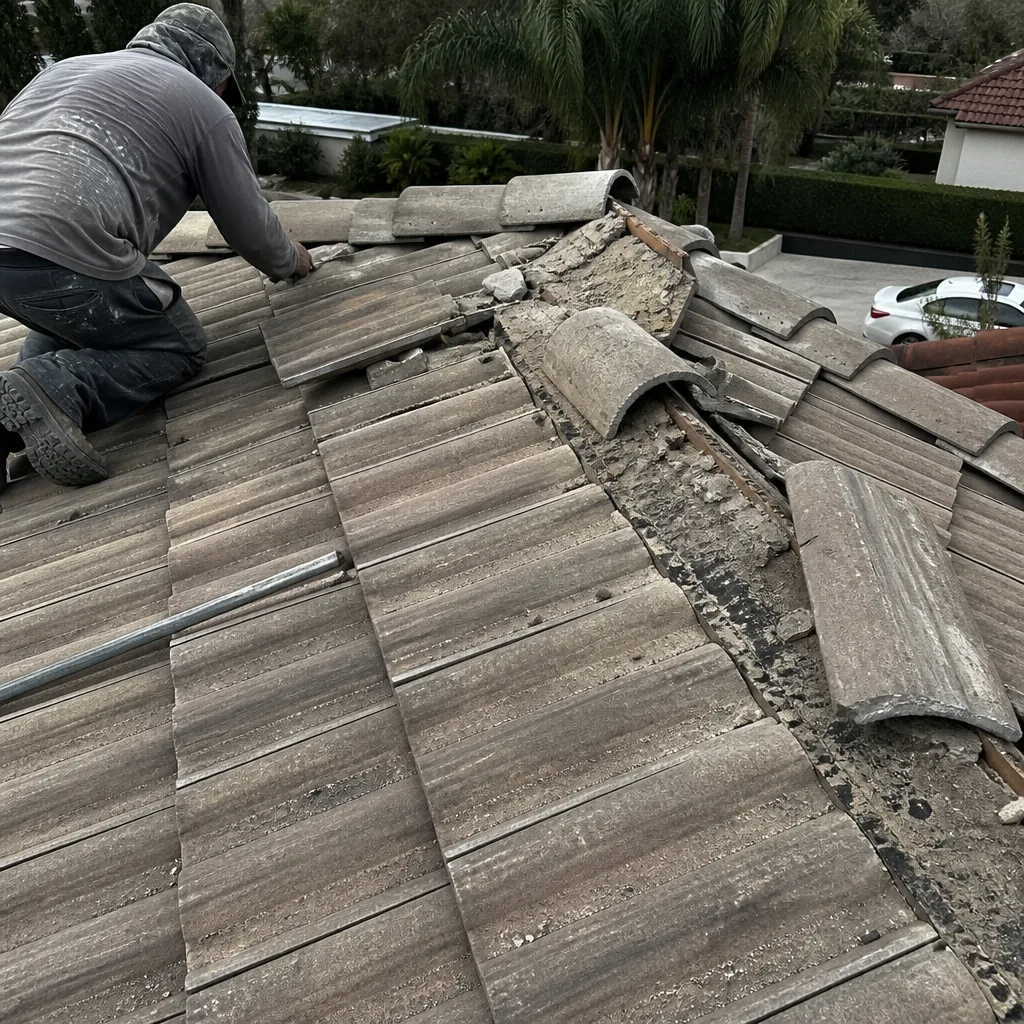 Before
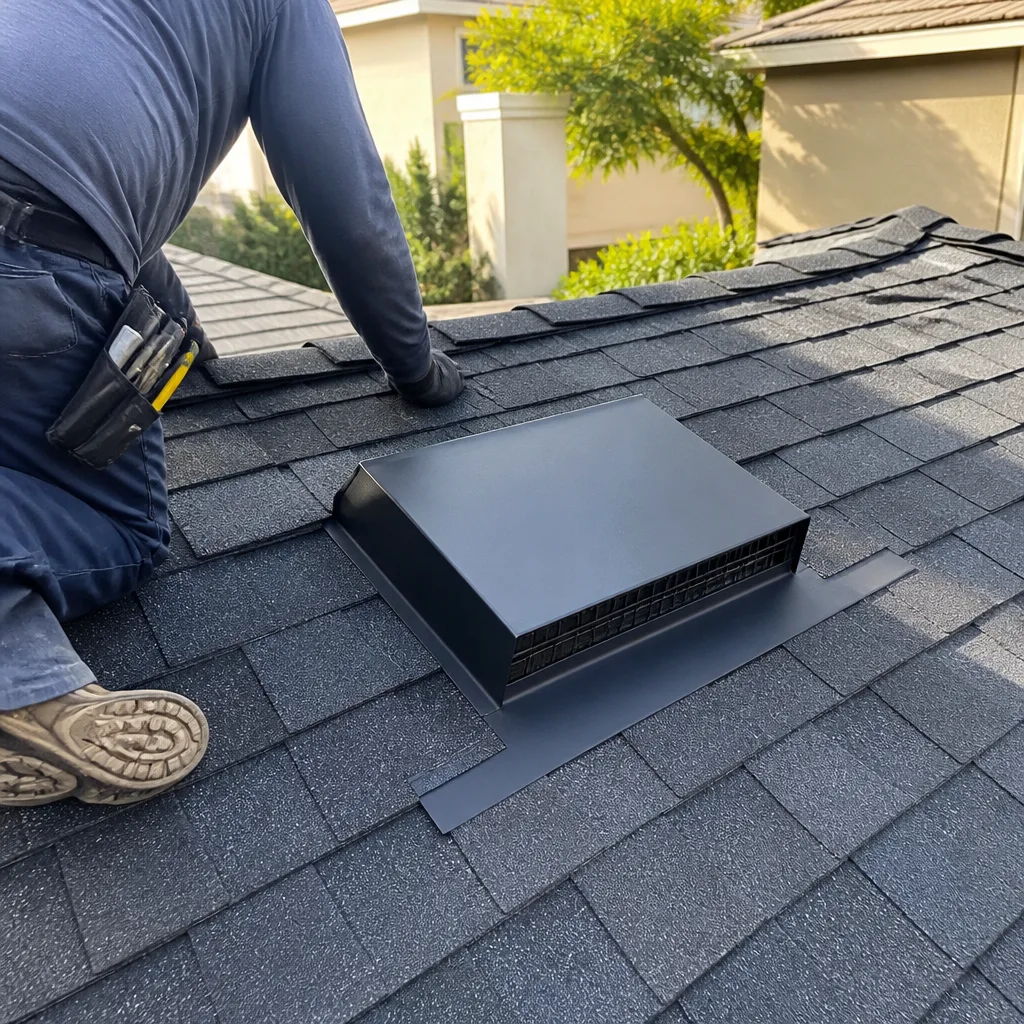 After
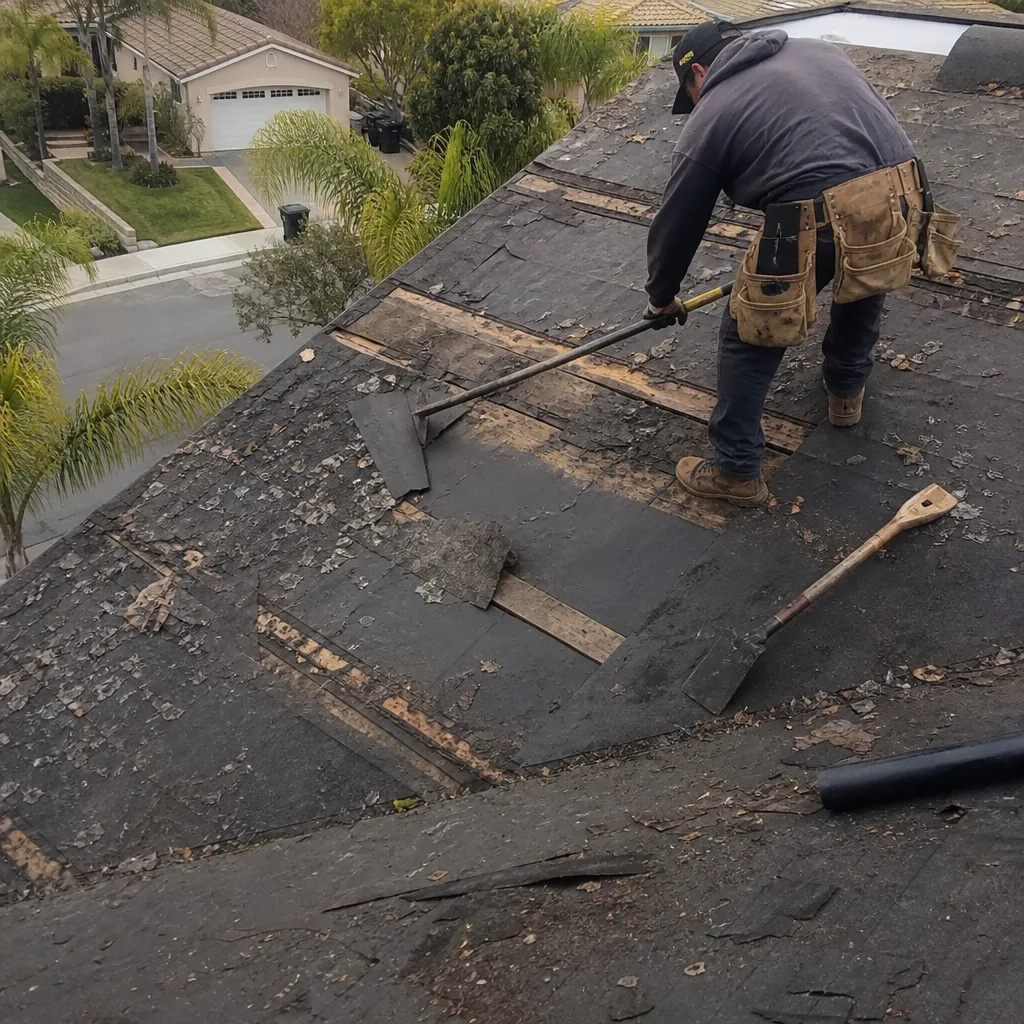 Before
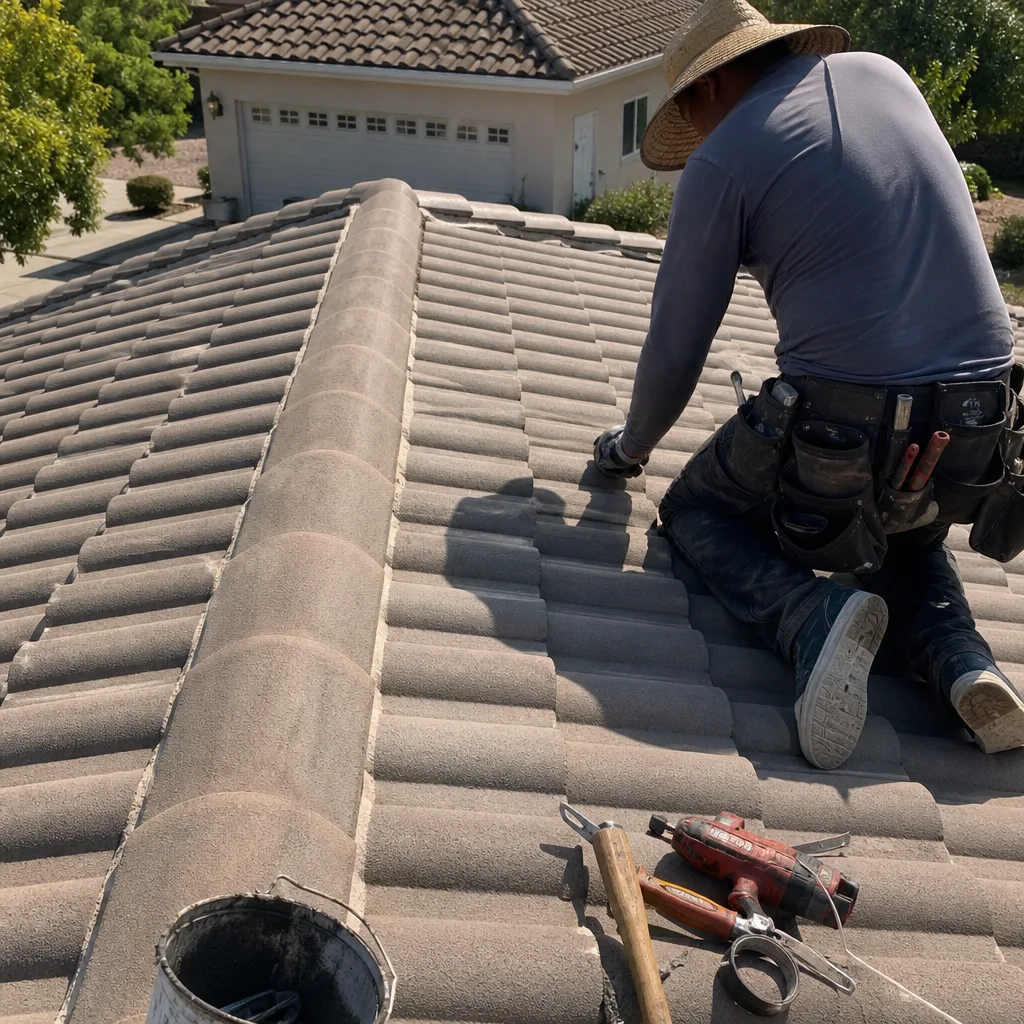 After
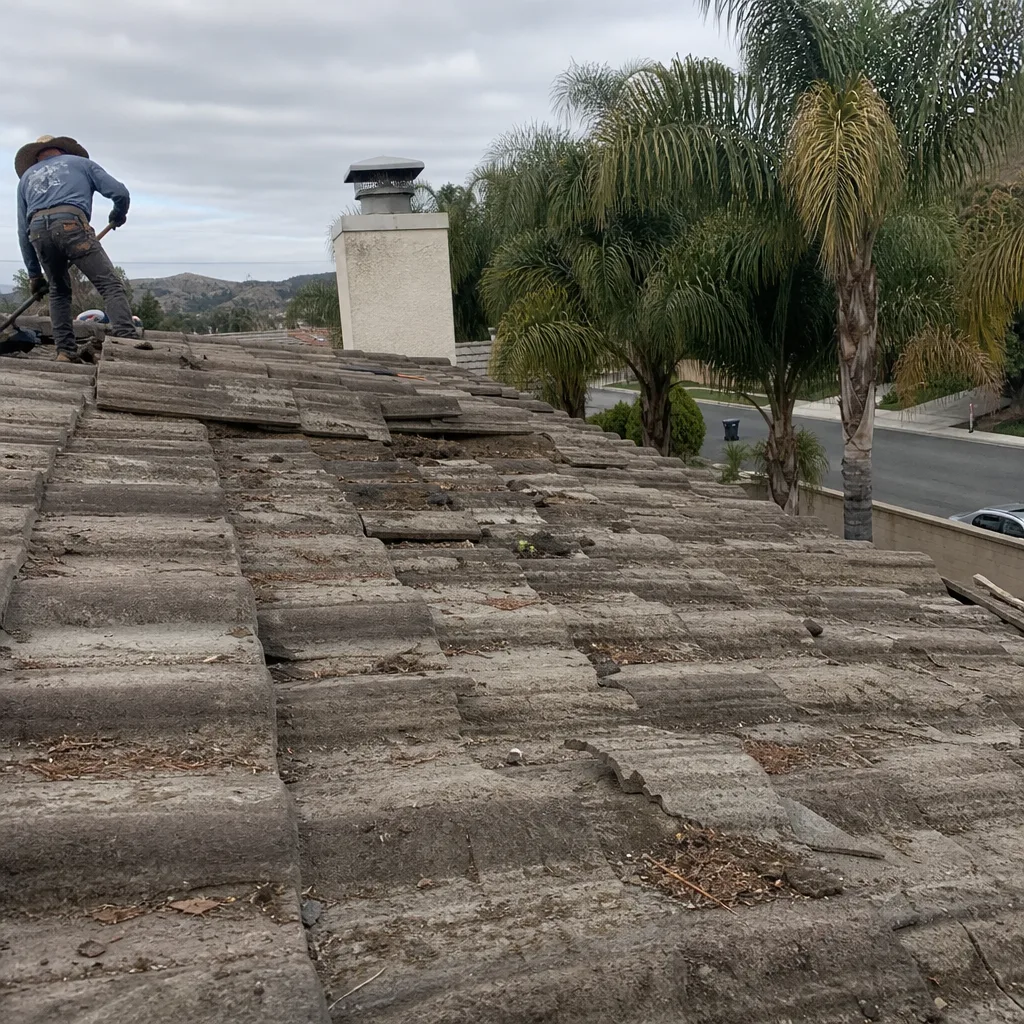 Before
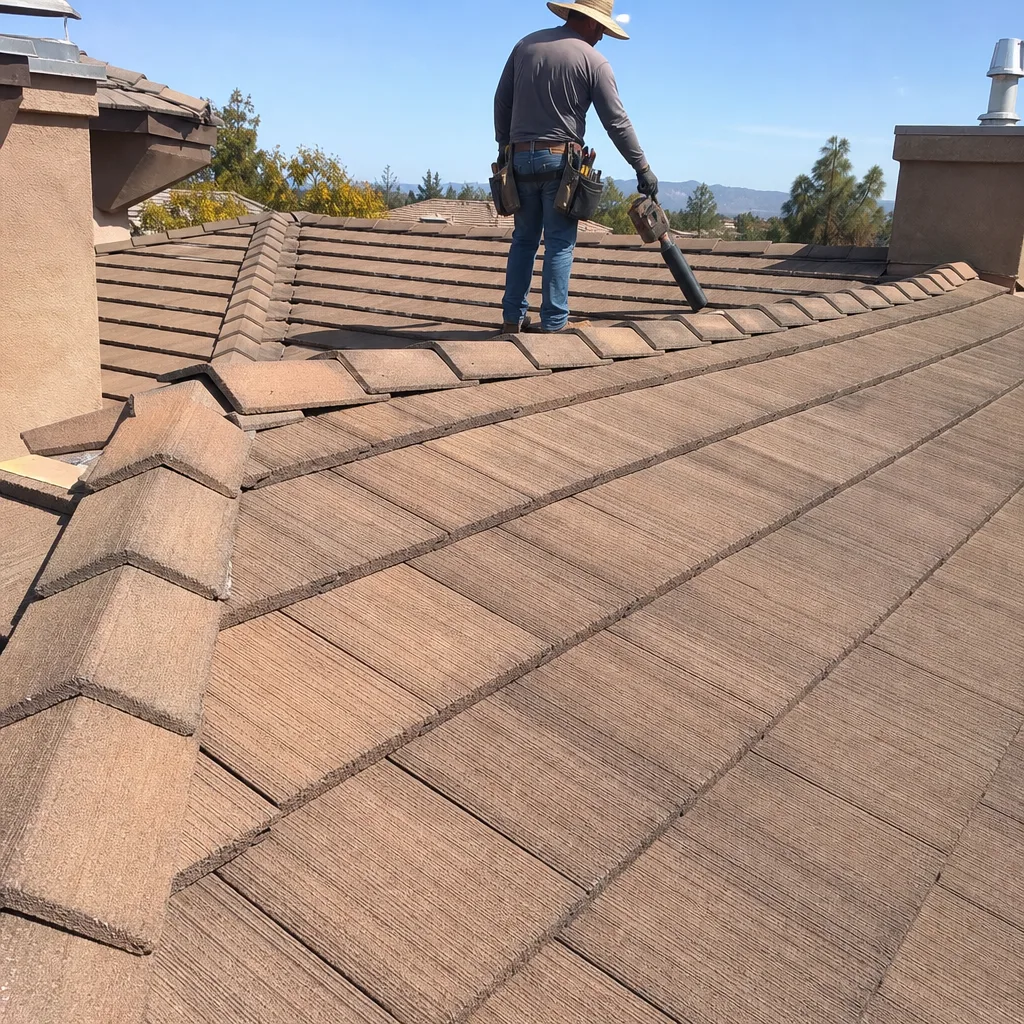 After