Last updated October 31, 2026
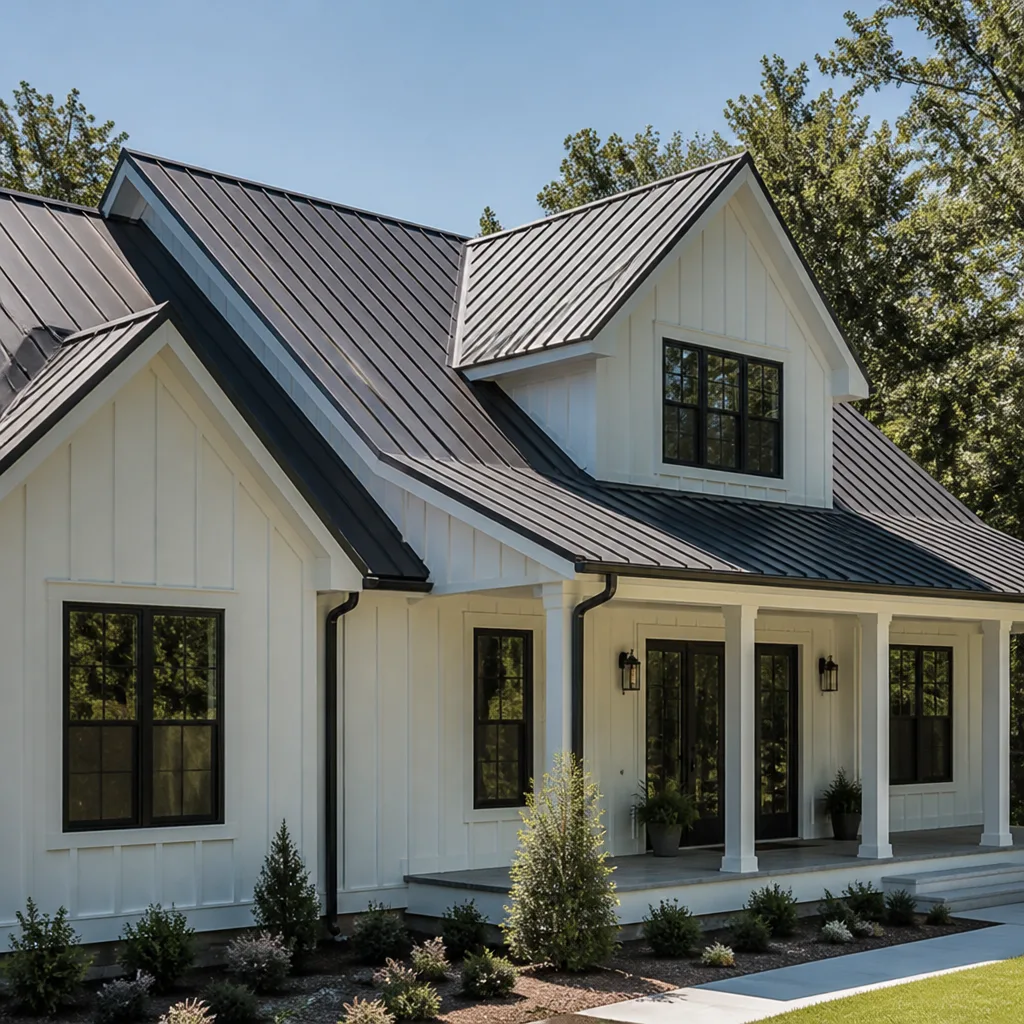 Metal roofing
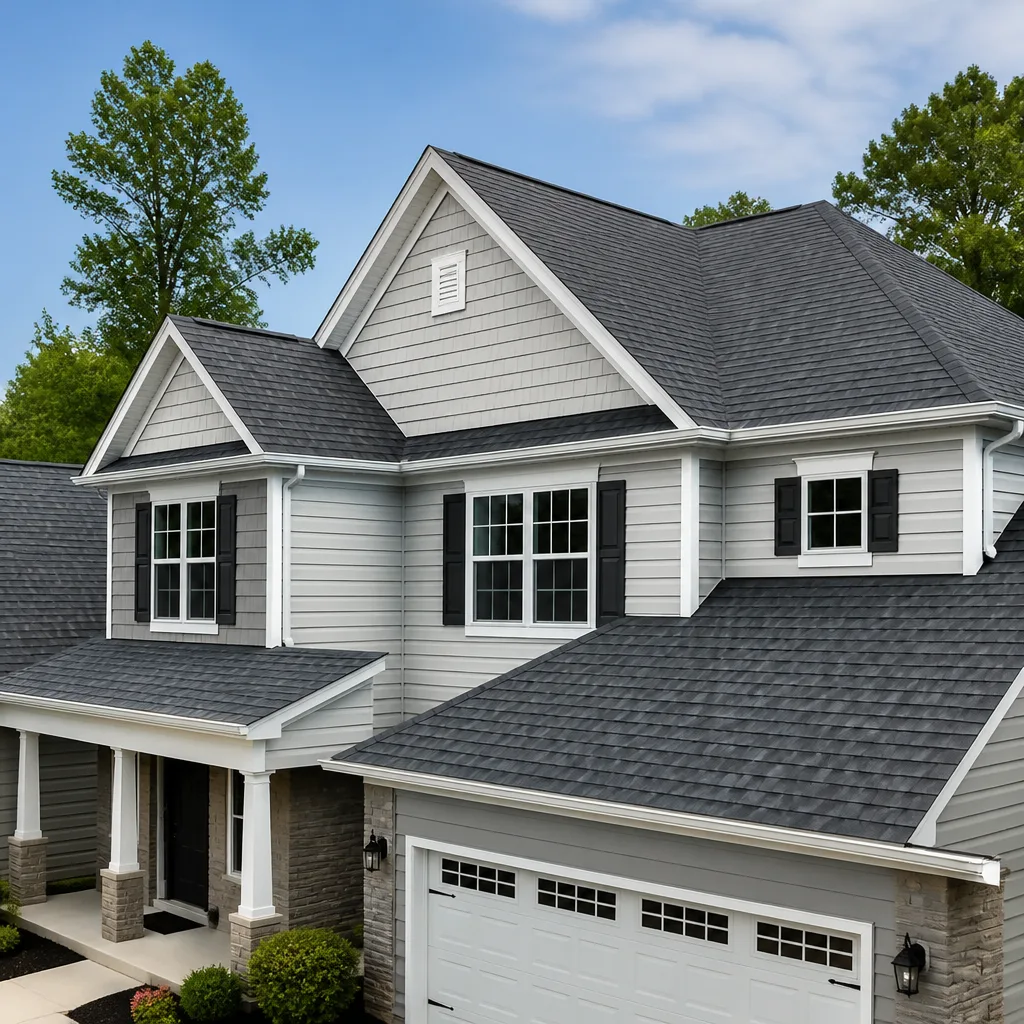 Architectural shingles
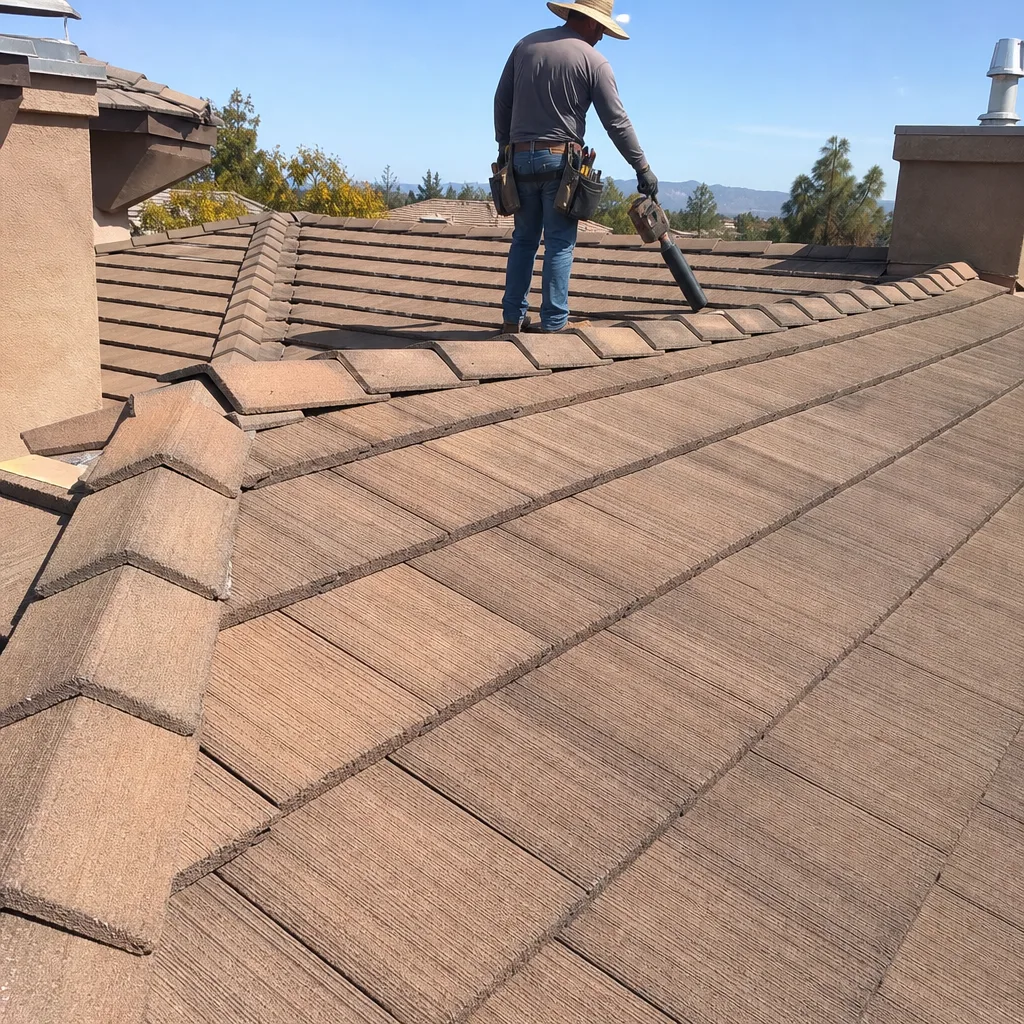
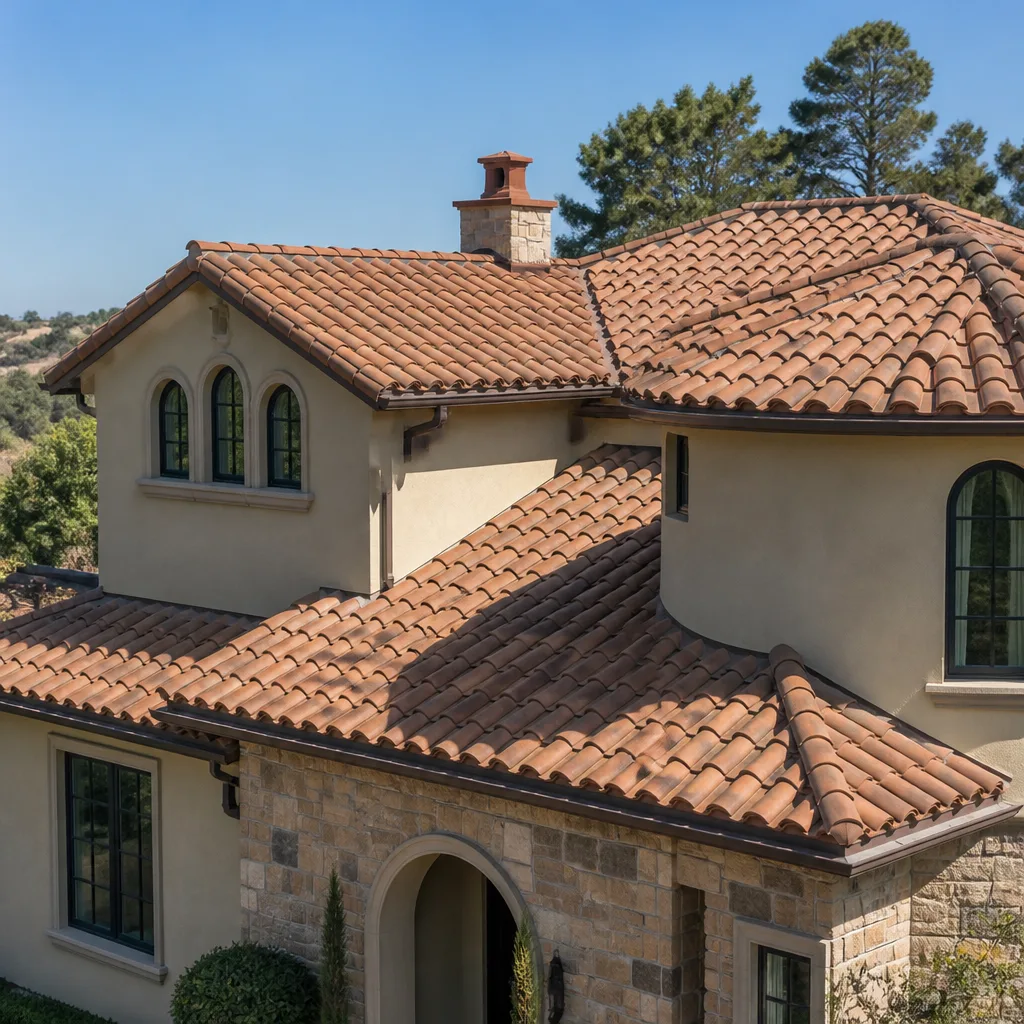 Tile roofing
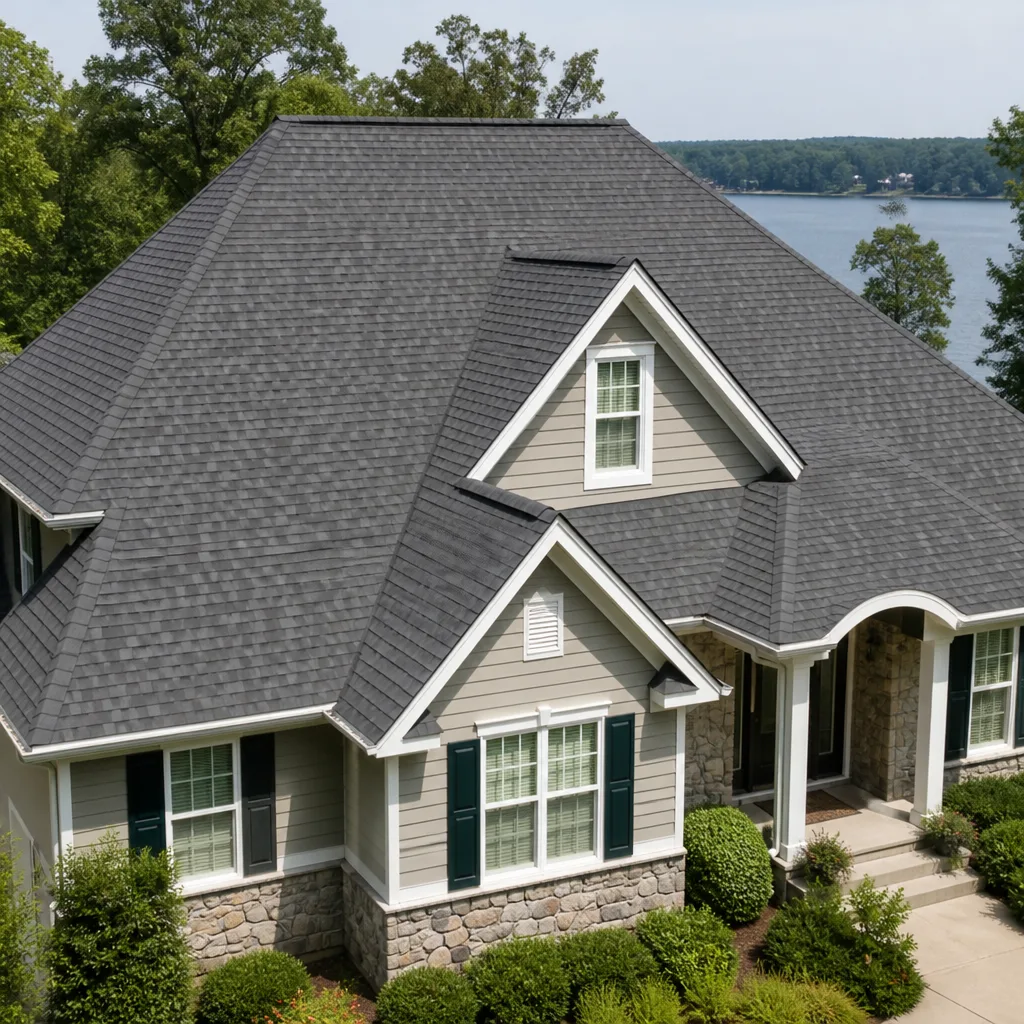 GAF
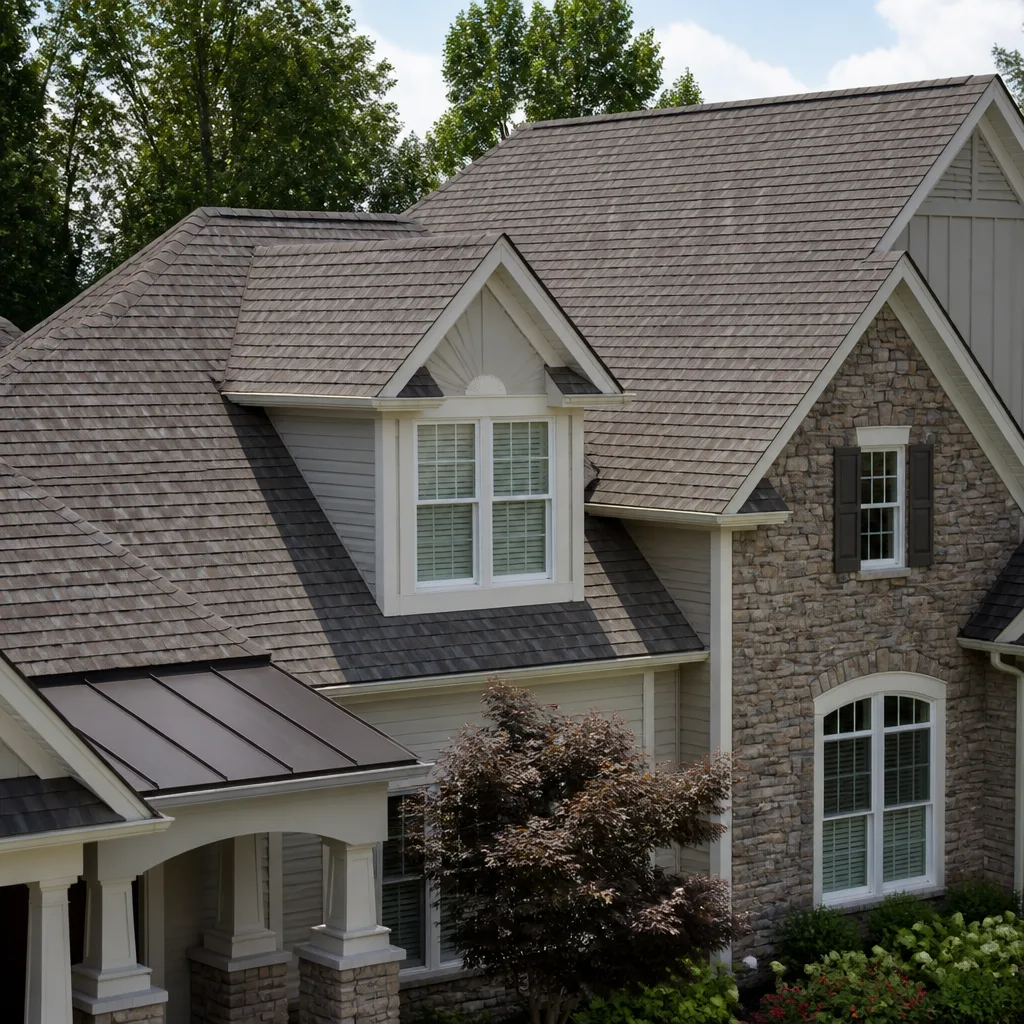 Owens Corning
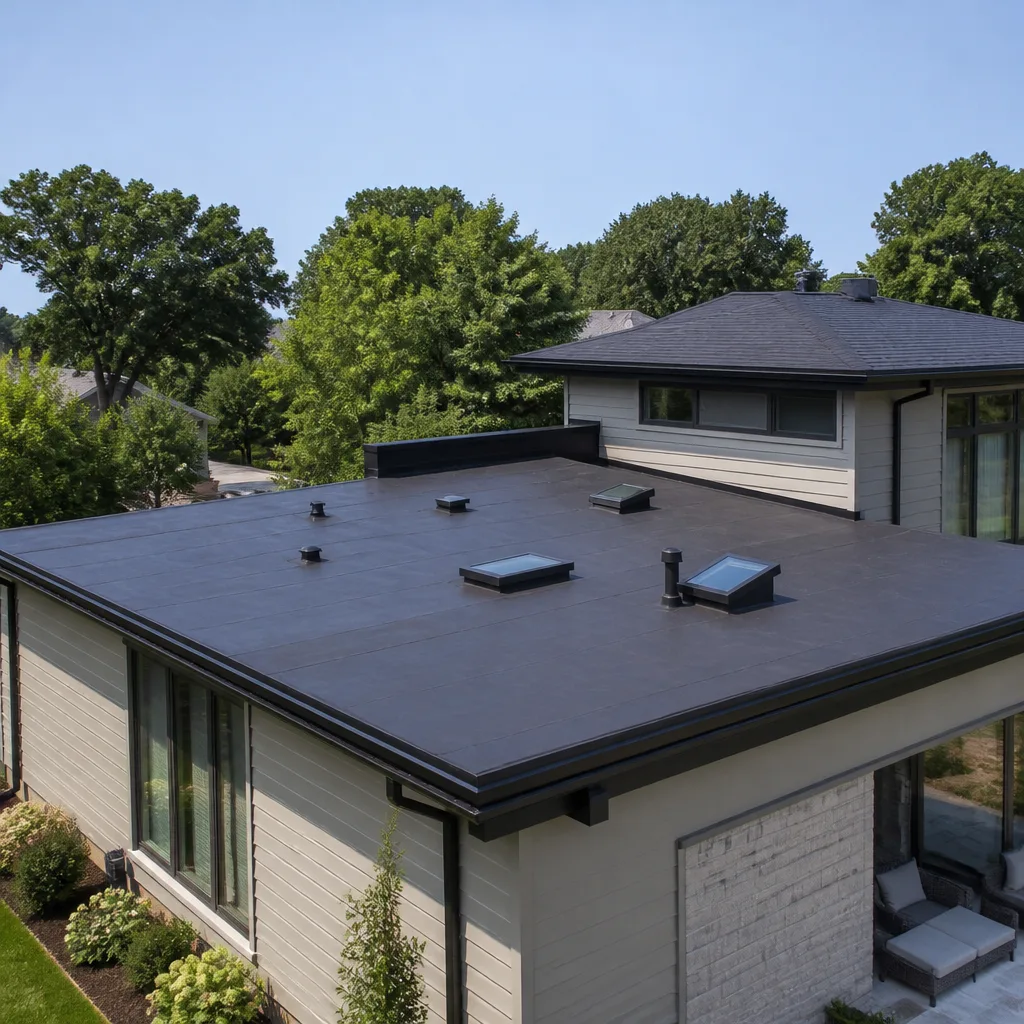 Flat & low-slope
Free roof inspection with deck photos before we talk money - GAF and Owens Corning certified installation
Roofing Permits, Codes & Inspections in CA: What You Need to Know
Here’s a truth most Temecula homeowners don’t hear until it’s too late: an unpermitted roof replacement can give your insurance company grounds to deny a fire or wind damage claim outright. Not because of fraud on your part, but because the insurer can argue the structure wasn’t code-compliant at the time of loss. California’s roofing code landscape shifted significantly after the 2020 wildfire legislation, and Riverside County layers its own requirements on top. This guide walks through exactly when you need a permit, what Title 24 demands of your specific climate zone, how WUI fire ratings affect your material choices, and what an inspector actually looks for before signing off. For Roofing Warning Signs: A Temecula Homeowner’s Reference Guide, see our related resource.
Quick Answer
In Riverside County and the city of Temecula, any roof replacement or structural repair requires a building permit, while minor repairs covering less than 10% of the roof surface or isolated shingle replacement generally don’t. California’s Title 24 requires cool roof compliance for steep-slope roofs in Climate Zone 10, and homes in Wildland Urban Interface (WUI) zones must use Class A fire-rated assemblies. A permitted roof job ends with a city or county inspection that verifies underlayment, nailing patterns, flashing, and final material installation match the approved plans and current code.
Styles & brands we work with
Table of Contents
- When a Temecula Re-Roof Requires a Permit vs. When Repair Falls Below the Threshold
- Title 24 Cool Roof Requirements for Climate Zone 10
- WUI Zones and Class A Fire Ratings: What Temecula Homes Need
- What a Riverside County Roof Inspection Actually Checks
- How to Pull a Permit History on a Home You’re Buying
- What Roof Permits Cost in Riverside County
- Common Mistakes to Avoid
- When to Call a Professional
- Frequently Asked Questions
When a Temecula Re-Roof Requires a Permit vs. When Repair Falls Below the Threshold
The line between a permitted re-roof and an unpermitted repair in Riverside County comes down to scope. If you’re removing and replacing the roof covering, adding a second layer, or altering the roof structure, you need a permit. If you’re replacing a handful of shingles blown off in a windstorm or patching a small area of flashing, you generally don’t.
The California Residential Code, as adopted by Riverside County, sets the threshold at 10% of the roof surface within a 12-month period for repairs that fall below the permit requirement. A repair covering more than that triggers a full permit, and the inspector will treat it like a re-roof because that’s what it is in practice. We’ve seen this surprise homeowners in Temecula’s older neighborhoods like Paseo del Sol and Temeku Hills, where a “small leak repair” expands once the underlayment comes off and dry rot appears underneath.
Here’s the breakdown:
- Requires a permit: Full roof replacement, tear-off and re-cover, re-roofing over existing shingles, any structural repair to rafters, trusses, or decking, any change to roof pitch or design, adding skylights or solar mounts that penetrate the roof.
- No permit required: Replacing fewer than 10% of shingles in 12 months, isolated flashing repair, sealing a small penetration, minor ridge cap replacement that doesn’t expose the underlayment.
- Gray area: Repairing a section of underlayment over a large deck area. If you’re replacing felt or synthetic underlayment across a broad section, Riverside County inspectors consider that a re-roof and will want a permit.
If you’re unsure where your project falls, call the Riverside County Building & Safety Department or the Temecula Building Division before work starts. Guessing wrong is expensive: fines for unpermitted work in Riverside County can reach double the original permit fee, plus correction costs. And the correction often involves tearing off work that was done correctly but can’t be inspected after the fact.
Title 24 Cool Roof Requirements for Climate Zone 10
California’s Title 24 energy code doesn’t treat every roof the same. Temecula sits in Climate Zone 10, which is classified as a hot, dry inland zone. That classification comes with mandatory cool roof requirements for residential steep-slope roofs.
The short version: any new roof or re-roof in Temecula must use roofing materials that meet minimum solar reflectance and thermal emittance standards, or fall under the aged solar reflectance aged index requirements set by the California Energy Commission. For steep-slope residential roofs in Zone 10, that typically means a Cool Roof Rating Council (CRRC) rated product with a minimum aged solar reflectance of 0.20 and thermal emittance of 0.75, or a product listed on the CEC’s certified roofing products directory.
In practice, most modern asphalt shingle lines offer CRRC-rated cool color options. But not every color in a manufacturer’s line qualifies. Lighter colors in the IKO and Atlas lines, for example, generally meet the Zone 10 reflectance thresholds while darker granule blends may not. Our Choosing the Right Roofing Brand: A Buyer’s Guide for Temecula breaks down how to evaluate manufacturer options for your specific needs. That’s a real-world constraint worth knowing before you fall in love with a particular color swatch.
What this means for Temecula homeowners:
- Your contractor must verify the specific product and color against the CEC directory before installation – not just assume the line is compliant because the brand is.
- Tile roofs have their own compliance path. Clay and concrete tile in natural terra cotta or light tones typically meet Title 24 without additional coating, but darker tiles may need field-applied reflective coatings.
- If your home has a steep-slope roof above an unconditioned attic space, there are limited exceptions in Zone 10 that your contractor can verify against the current code cycle. Don’t take a verbal claim at face value.
A final Title 24 layer: roof replacement projects that alter more than 50% of the roof surface must also bring attic insulation up to current minimums if the attic is accessible. That’s a code requirement some bids quietly omit, only to resurface as a change order mid-project. We always flag it before the contract is signed because informed homeowners make better decisions.
WUI Zones and Class A Fire Ratings: What Temecula Homes Need
Large portions of Temecula fall within California’s Wildland Urban Interface designation. WUI zones are areas where homes sit close enough to wildland vegetation that ember-driven fire exposure is a real threat. Temecula’s eastern edges, including neighborhoods near Wine Country and De Luz, fall squarely in WUI territory. Even central Temecula has WUI-mapped pockets.
California Building Code Chapter 7A applies to new construction in WUI zones and to re-roofs where more than 50% of the roofing is being replaced. Under Chapter 7A, the roof covering must achieve Class A fire resistance per ASTM E108 or UL 790, which evaluates a roof assembly’s resistance to flame spread, withstanding a burning brand, and resisting intermittent flame exposure.
Here’s what matters for your material choice:
- Class A is not optional in WUI zones. This is a code requirement, not a recommendation. Products from Boral and Tamko include Class A rated options that meet Chapter 7A when installed as part of a compliant assembly.
- The entire assembly matters, not just the shingle. A Class A shingle over non-compliant underlayment doesn’t give you a Class A roof. The underlayment, ridge cap, valley metal, and edge details all factor into the assembly rating.
- Ember intrusion is the leading cause of WUI structure loss. Gaps at the roof edge, open rake details, and unsealed penetrations let embers reach combustible decking. Chapter 7A addresses these details directly, and an inspector in WUI zones will check them.
If your Temecula home falls inside a WUI boundary, your contractor needs to know that before quoting materials. It affects which underlayment options are available, whether edge metal details need specific profiles, and whether the product’s Class A listing applies in your specific installation configuration.
One more point worth making: even if your home sits outside the WUI boundary today, Riverside County’s fire hazard severity zone maps get revised periodically. A zone that’s moderate today may be reclassified as high in a future map cycle, and any re-roof performed now that meets Chapter 7A is future-proofed against that reclassification.
What a Riverside County Roof Inspection Actually Checks
A Riverside County roof inspection is not a rubber stamp. It’s a two-stage process: an in-progress inspection once the old roofing is torn off and the deck is exposed, followed by a final inspection after the new roof is installed. Some jobs require only the final, but larger re-roofs and any project with structural repair typically need the mid-project inspection too.
The inspector arrives with the approved permit documents and compares what they see against the plans. Here’s what they’re checking:
- Deck condition and attachment. The inspector verifies the plywood or OSB deck is structurally sound, properly fastened, and free of significant dry rot or delamination. If the deck is trashed, the re-roof pauses until replacement decking is installed and re-inspected.
- Underlayment type and installation. The underlayment must match what’s specified for the project: 30-lb felt, synthetic, or a self-adhered high-temp product where required by the fire rating or manufacturer’s instructions. Fastener pattern, lap direction, and valley detailing all get checked.
- Nailing pattern and shingle installation. For asphalt shingle roofs, the inspector verifies nail count per shingle (typically 4 nails in standard zones, 6 in high-wind zones), nail length, and placement. Improper nail placement is one of the most common re-inspection triggers in Temecula, especially on steep pitches where crews rush the nailing line.
- Flashing at penetrations, valleys, and transitions. Pipe boots, chimney flashing, skylight curbs, and roof-to-wall intersections all get examined for proper integration with the underlayment and finished roofing. This is where leaks originate, and Riverside County inspectors tend to be thorough here.
- Edge details and drip edge. Drip edge at eaves and rakes, proper overhang, and edge nailing are all verified.
The three failure points that generate the most re-inspection calls in our experience: underdriven fasteners in decking (the nail heads sit proud and create a bump under the shingle), improper valley metal installation (wrong configuration for the shingle type), and missing or improperly lapped underlayment at the eave line. Each of these is a $50 to $150 correction on its own, but they add days to the project because the re-inspection has to be scheduled and passed.
Here’s the part homeowners find genuinely useful: the inspector’s role is code compliance, not workmanship assurance. A roof can pass inspection and still have subtle installation issues that shorten its service life. That’s why a Roof Inspection in Temecula from a third party before the final sign-off catches things the municipal inspector isn’t paid to care about.
How to Pull a Permit History on a Home You’re Buying
If you’re buying a home in Temecula, the roof’s permit history matters more than the seller’s assurances. An unpermitted re-roof can disqualify the home from a clean insurance quote, create title complications, and leave you holding the correction cost if a claim forces the issue.
Here’s the step-by-step process for verifying permit history in Riverside County:
- Request a permit search from Riverside County Building & Safety. The county maintains permit records by address. You can request a search through the county’s online portal or by visiting the Temecula office. There’s typically a nominal search fee.
- Compare the permit dates against the roof’s apparent age. If the seller says the roof was replaced in 2019 but the permit history shows no re-roof permit, that’s a red flag worth investigating. Ask for the contractor’s invoice or payment records.
- Check the permit’s final inspection status. A permit that was pulled but never closed or finaled is incomplete. An open permit means the work was never verified by the county, and open permits can complicate a home sale and insurance underwriting.
- Verify the contractor’s license and the scope of the permit. The permit should list the roofing contractor’s CSLB license number. Cross-check that license on the CSLB website to confirm it was valid at the time of the work, and verify the permitted scope matches the roof you see.
- If no permit exists for a roof that should have had one, negotiate accordingly. The cost of bringing an unpermitted roof into compliance includes permit fees, any correction work an inspector requires, and the inspection itself. In Temecula’s current market, that’s often $1,500 to $5,000 depending on what an inspection uncovers.
We’ve helped buyers in Temecula’s Redhawk and Morgan Hill neighborhoods navigate exactly this situation. The discovery process is straightforward if you know where to look, but most buyers don’t know to look at all.
What Roof Permits Cost in Riverside County
Roofing permit fees in Riverside County are calculated based on the project valuation, not a flat fee. That means your re-roof permit cost scales with the scope of work. For a typical single-family home re-roof in Temecula, permit fees generally land in the $300 to $800 range, with larger homes, structural modifications, or projects requiring plan review pushing toward the upper end.
Here’s what to expect in line-item terms:
| Permit Component | Typical Range |
|---|---|
| Building permit fee (based on valuation) | $250 – $600 |
| Plan check fee (if required) | $50 – $150 |
| Inspection fee (per inspection) | $50 – $120 |
| SB 326 / state-mandated surcharges | $15 – $40 |
| Total typical re-roof permit | $300 – $800 |
A few notes on these numbers. Temecula’s city building division operates under its own fee schedule if the property is within city limits, while unincorporated Riverside County areas use the county schedule. The two are close in practice but not identical. Plan check fees apply when the project requires drawings – which most straight re-roofs don’t, but any structural repair does.
Your contractor should itemize the permit cost separately on the bid rather than burying it in a lump sum. A contractor who won’t break out the permit line item isn’t necessarily hiding anything, but transparency on fees tells you they’re organized and experienced with the Temecula permitting process. And that experience matters: a permit application filed with incomplete information can stall the project for weeks.
Related note: if you’re weighing repair against Roof Replacement in Temecula, the permit cost is a factor only in replacement. Repairs that fall below the threshold carry no permit expense, which is one reason an honest assessment of whether repair is viable matters before any dollar figure is discussed. That’s the “inspect first, recommend second” discipline we follow at Baycrest Roofing home.
Common Mistakes to Avoid
- Skipping the permit to save $500. The penalty for getting caught is multiples of the original fee, and the insurance risk if a fire claim exposes the unpermitted work can run into six figures. This is the most expensive $500 any Temecula homeowner ever saves.
- Assuming every “cool roof” shingle meets Zone 10 standards. Title 24 compliance is per product and per color. A Tamko or Atlas color that qualifies in one shade may not qualify in a darker tone. Verify against the CEC directory before ordering.
- Trusting the roofer’s word that the home isn’t in a WUI zone. WUI boundaries aren’t intuitive, and they change. Check Riverside County’s fire hazard severity zone map yourself, or ask the contractor to show you the official map before assuming Class A isn’t required.
- Letting a contractor re-roof over existing shingles without checking the permit implications. Re-roofing over an existing layer is permitted in some scenarios, but it changes the roof’s fire rating and wind uplift performance. If the original layer is non-Class A and the home is in WUI territory, overlay is not a compliant option.
- Buying a home without checking roof permit history. An open permit or missing permit on a re-roof transfers the problem to you at closing. The time to find out is during escrow, not after the first claim.
- Paying the full contract before the final inspection passes. Never release final payment until the inspector signs off. A failed inspection with a contractor already paid creates an incentive to walk away from corrections.
When to Call a Professional
Any full re-roof in Temecula requires a licensed contractor who understands Riverside County’s permitting path and Title 24 compliance for Zone 10. If your project involves WUI fire zones, structural repair, or an insurance claim, professional expertise is non-negotiable. A contractor who handles the permit, coordinates the mid and final inspections, and can explain what the inspector will check before work starts is worth far more than the difference in bid price. Baycrest Roofing offers free estimates in Temecula – call (866) 412-5697 and we’ll assess your roof’s condition and walk you through exactly what your specific project requires.
Frequently Asked Questions
A typical single-family re-roof permit in Temecula runs between $300 and $800 depending on project valuation, whether plan check is required, and inspection count. The permit is a separate line item from labor and materials, and a reputable contractor will show it clearly on the bid. Call (866) 412-5697 for a free estimate that includes the full permit scope for your specific home.
No. Isolated shingle replacement, minor flashing repair, and small patch work that covers less than 10% of the roof surface within 12 months do not require a permit in Riverside County. If the damaged area approaches or exceeds that threshold, permit requirements kick in and the work must be inspected.
A Class A roof assembly withstands severe fire exposure per ASTM E108 testing, including a burning brand test. Your Temecula home needs a Class A assembly if it falls within a designated Wildland Urban Interface zone, which applies to significant portions of the city’s eastern and wine country areas. Verify your address against the current Riverside County fire hazard severity zone map before selecting materials.
In limited circumstances, yes. The existing roof must be a single layer, structurally sound, and the new assembly must still meet all current code requirements including Title 24 cool roof compliance and Chapter 7A fire standards where applicable. An overlay changes wind uplift ratings and fire performance, so an inspector will evaluate whether your specific home qualifies. Call (866) 412-5697 for a roof condition assessment in Temecula to determine if overlay is viable for your roof.
The inspection itself typically takes 20 to 40 minutes. The larger time variable is scheduling: Riverside County generally schedules inspections 1 to 3 business days out, and a failed inspection means the correction is made and a re-inspection is scheduled, adding 2 to 5 days to the project. That’s why working with a contractor who understands local inspection expectations in Temecula reduces avoidable re-inspection delays.
Possibly not immediately. But if you file a fire, wind, or water damage claim and the adjuster discovers the roof was replaced without a permit, the insurer can deny coverage on the grounds that the structure wasn’t code-compliant at the time of loss. This is a documented denial pattern in California, and it’s the single strongest reason to permit any re-roof in Temecula.
The Bottom Line
Roofing permits in Temecula and Riverside County aren’t bureaucratic theater – they’re the difference between a roof your insurer will stand behind and one that becomes a financial liability the first time you file a claim. Title 24 cool roof mandates shape your material choices in Climate Zone 10. WUI fire ratings may mandate Class A assemblies whether you expected them or not. And the inspection process, while straightforward, favors contractors who know exactly what Riverside County inspectors check and build accordingly. Whether you need a repair or a full replacement, the sequence matters: inspect first, recommend second. Explore more guides & resources on Temecula roofing, permits, and code compliance. Baycrest Roofing brings seven manufacturer lines – GAF, CertainTeed, Owens Corning, IKO, Atlas, Tamko, and Boral – to every Temecula project, so the material matches the roof, the code, and your budget. Call (866) 412-5697 for a free estimate.
Written by the team at Baycrest Roofing, serving Temecula since 2013.
See the difference
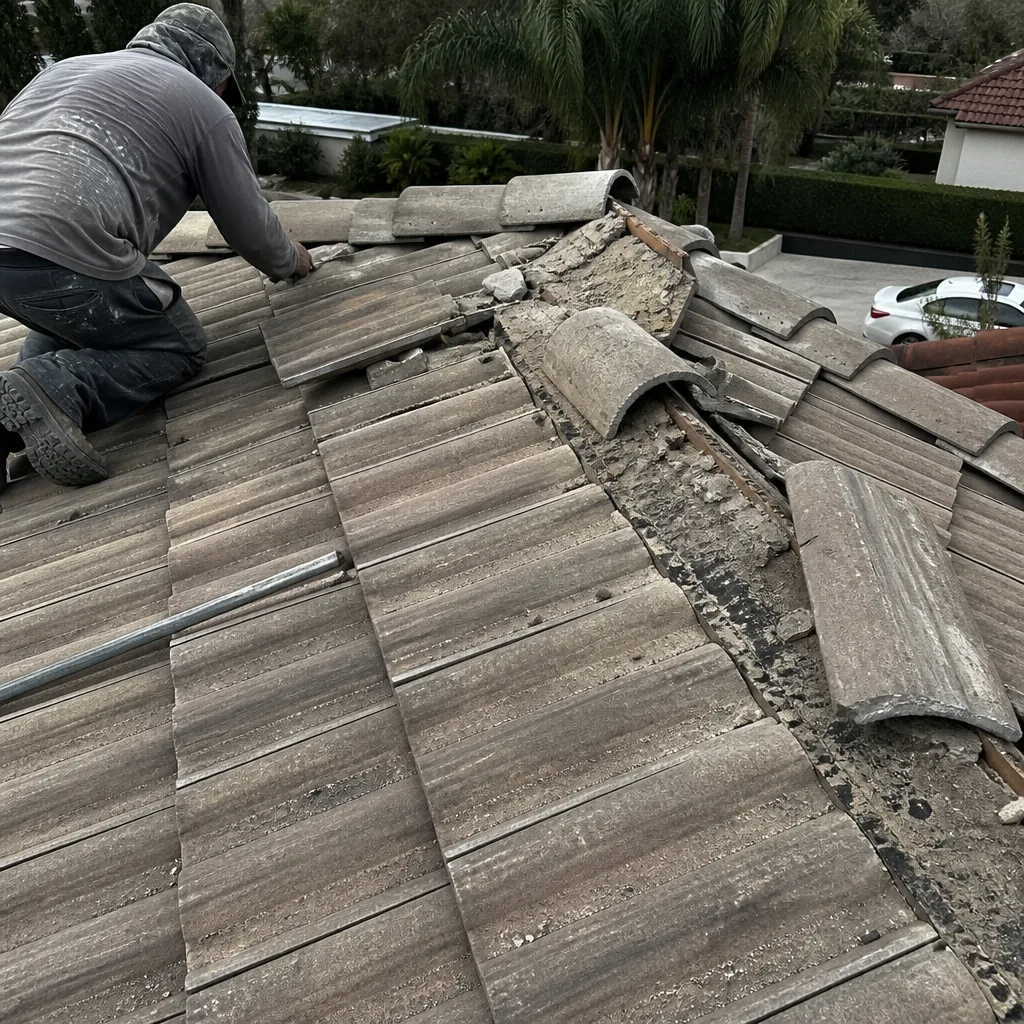 Before
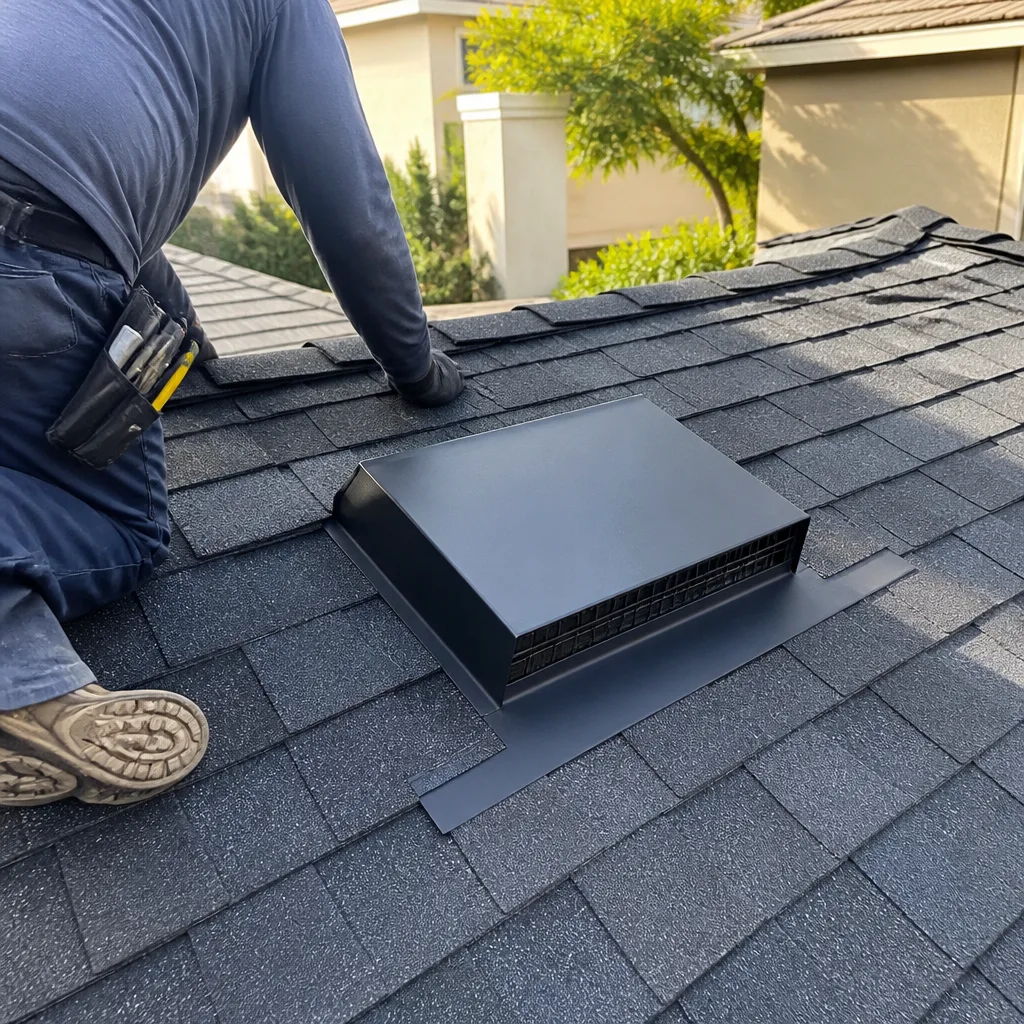 After
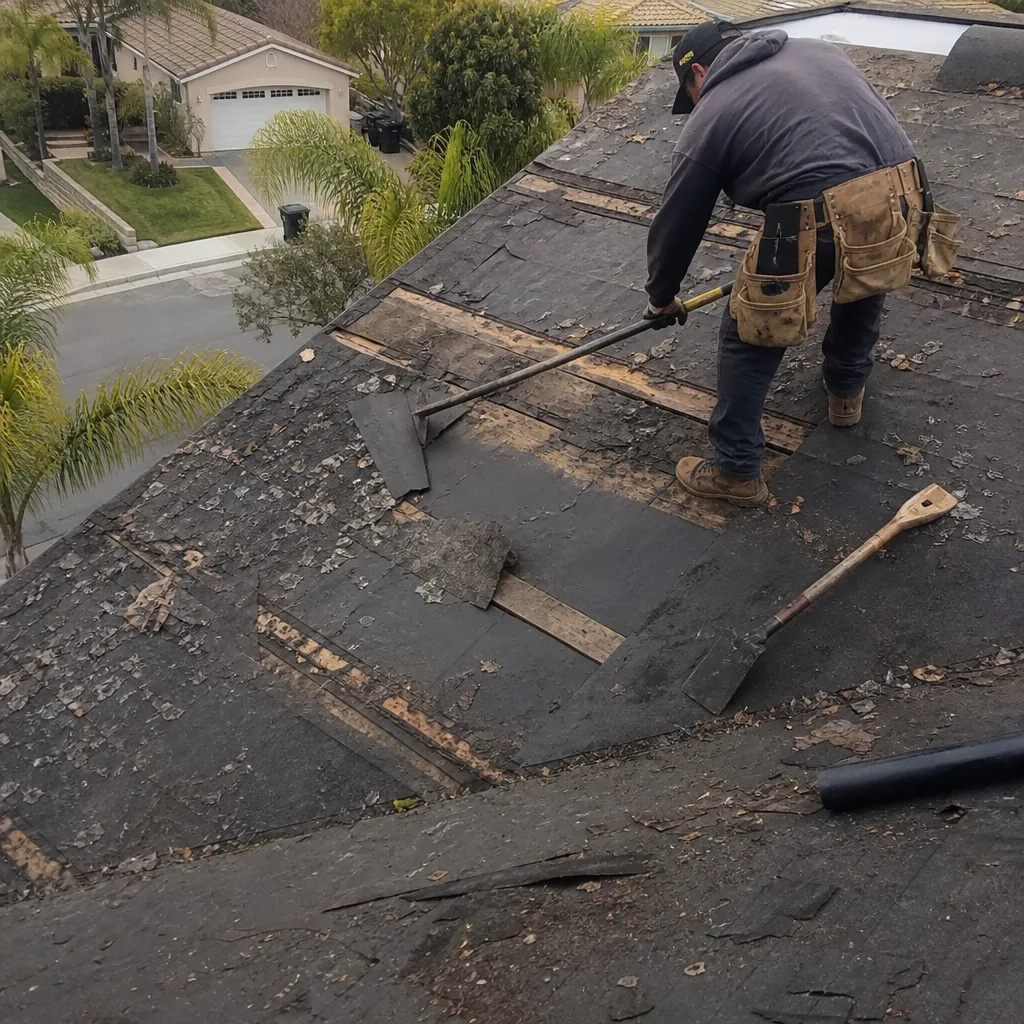 Before
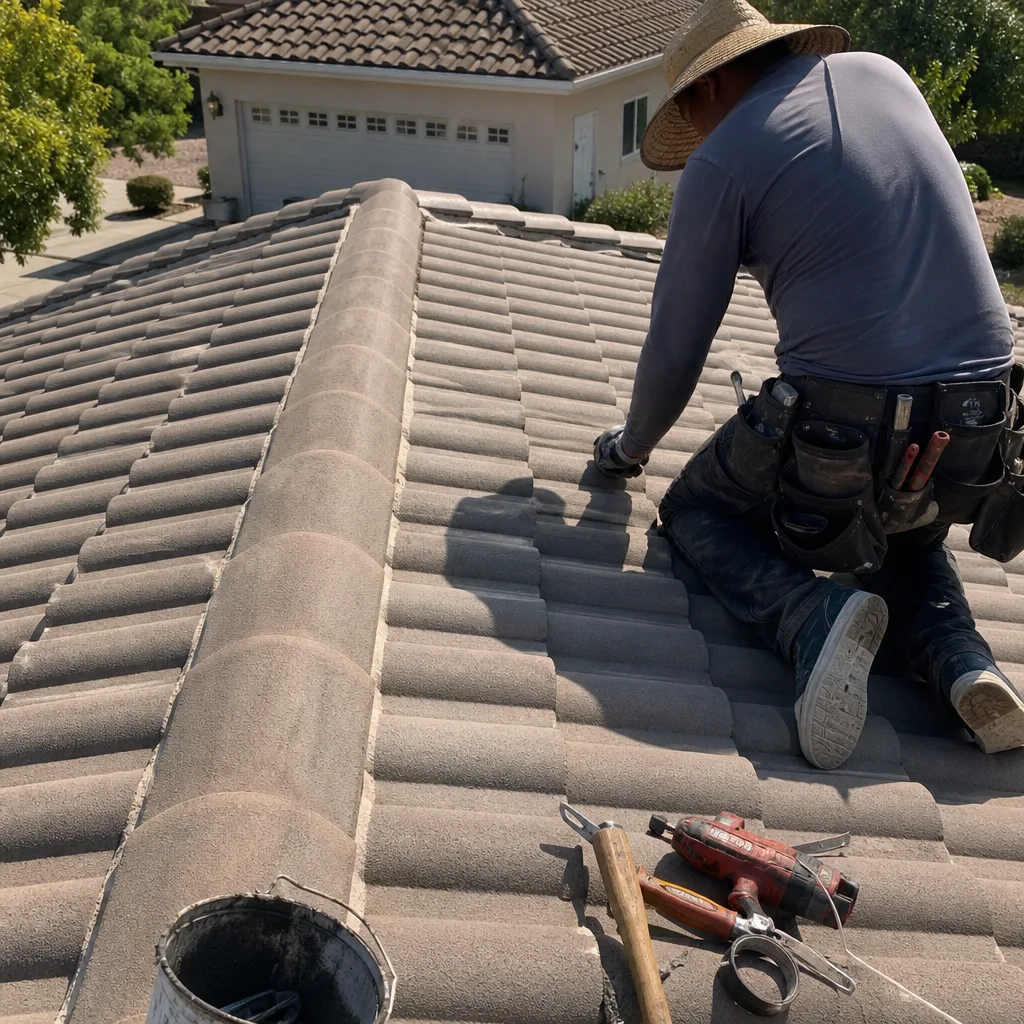 After
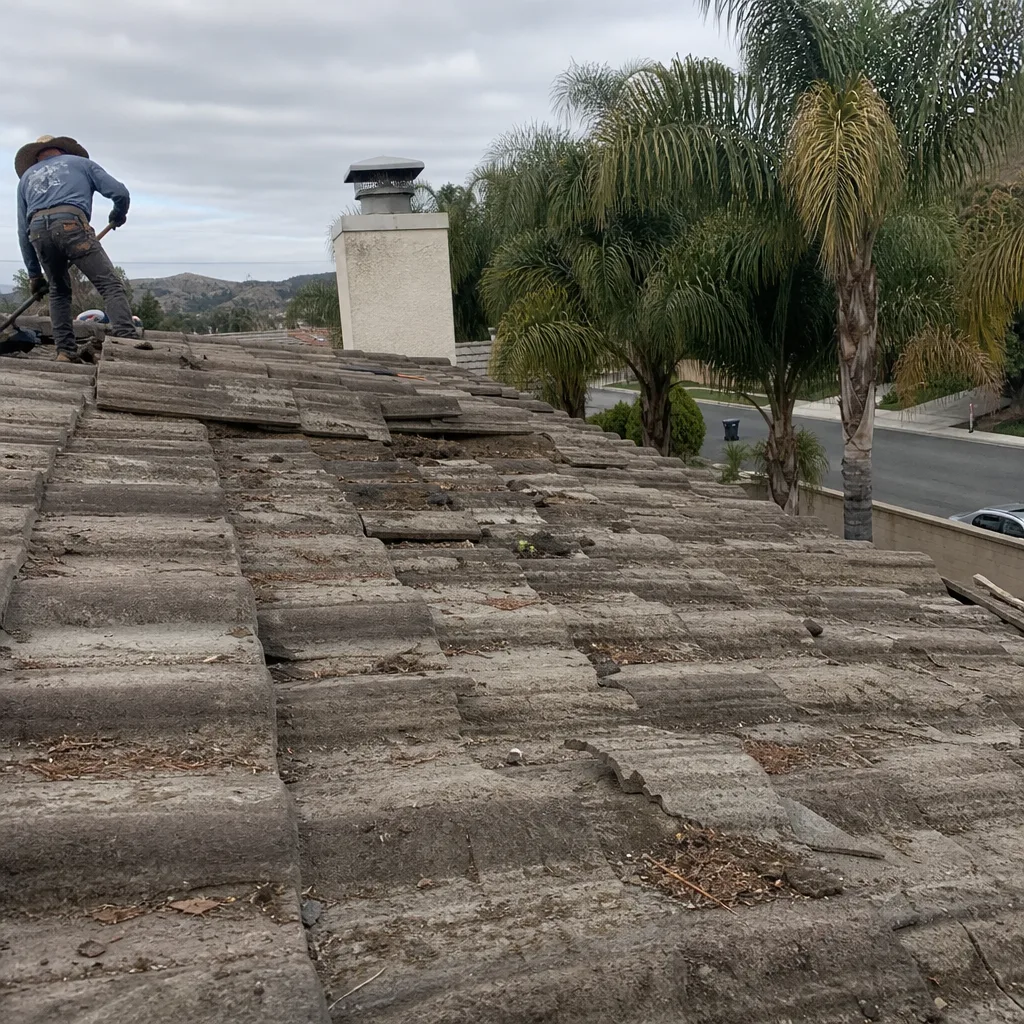 Before
 After