Last updated October 31, 2026
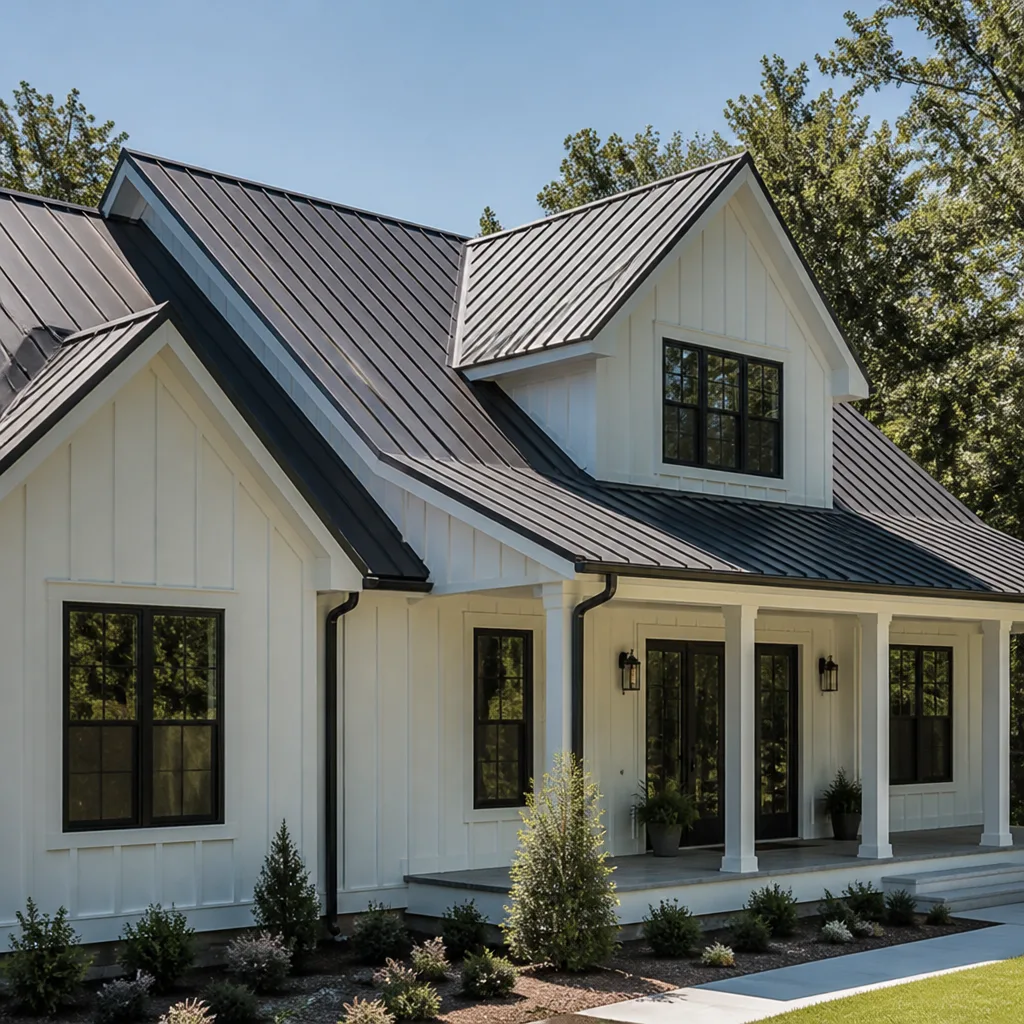 Metal roofing
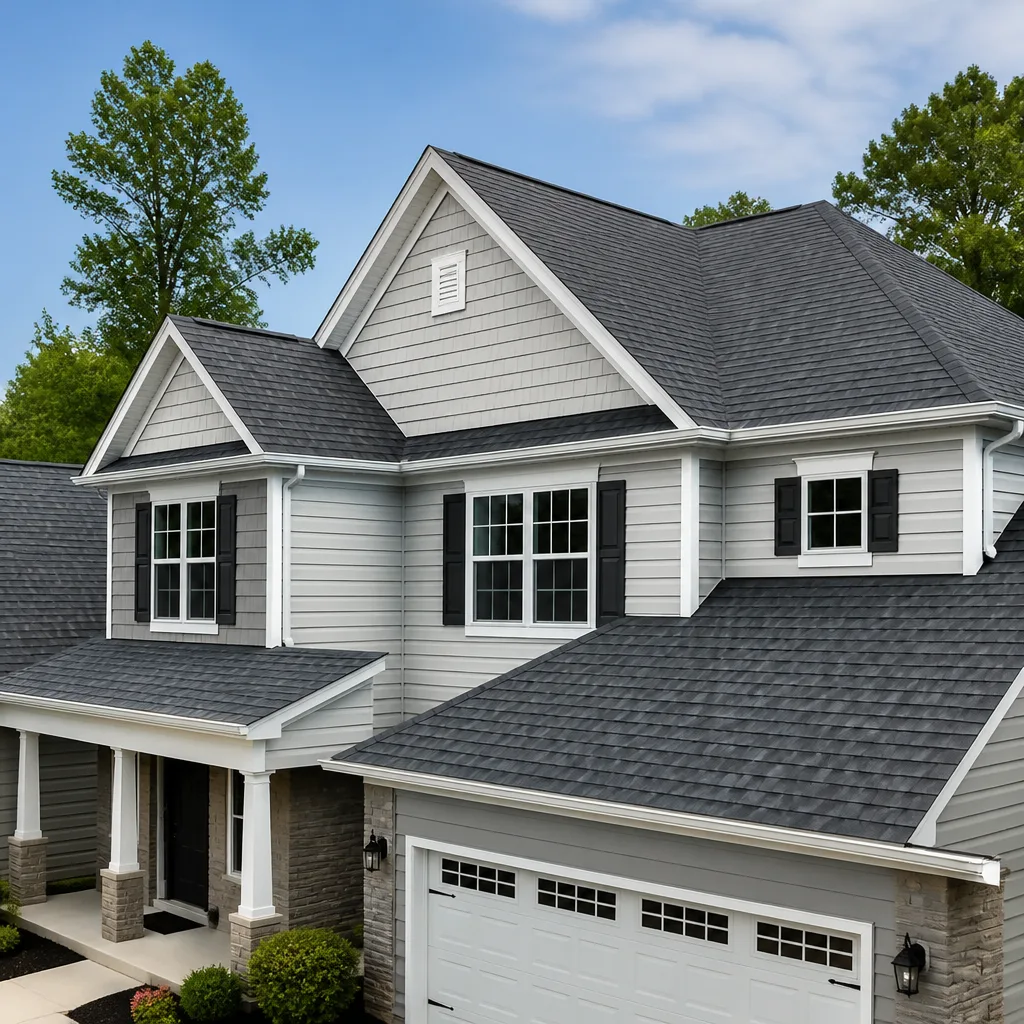 Architectural shingles
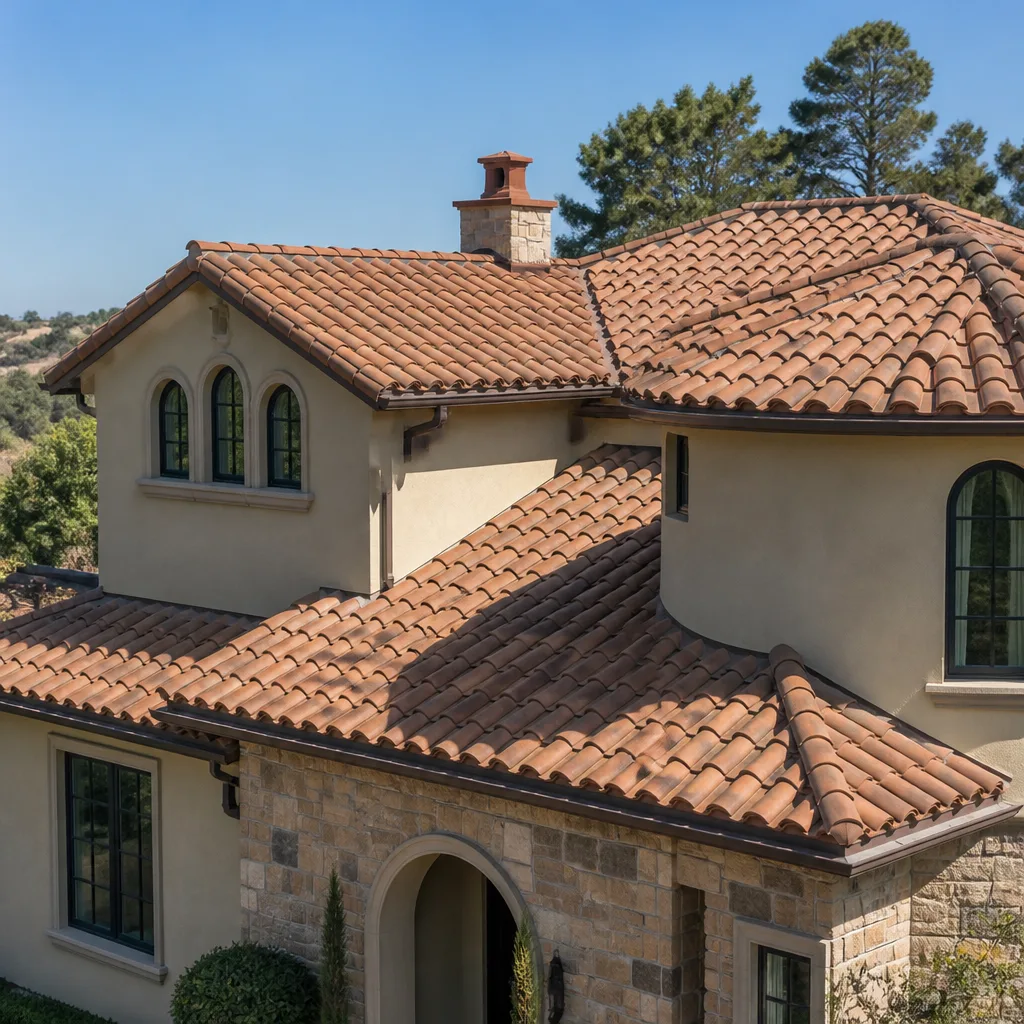 Tile roofing
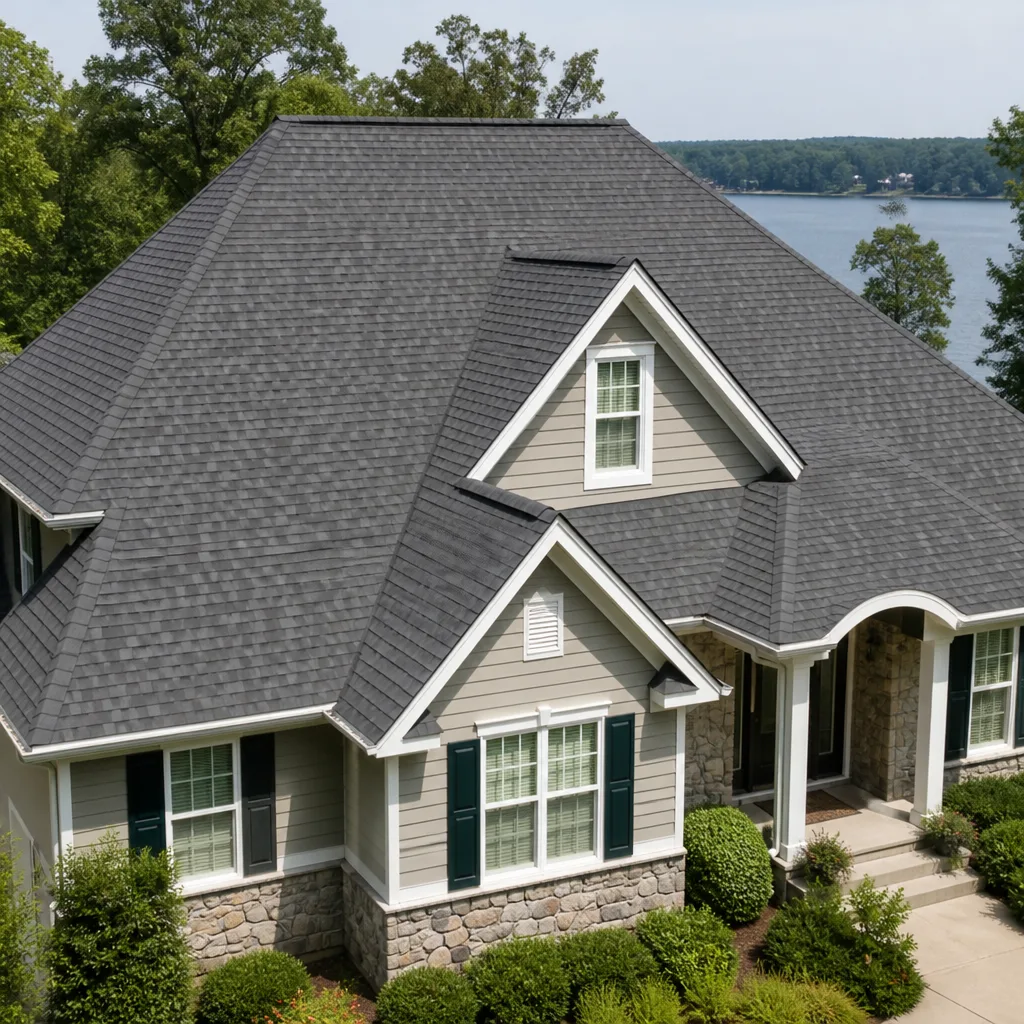 GAF
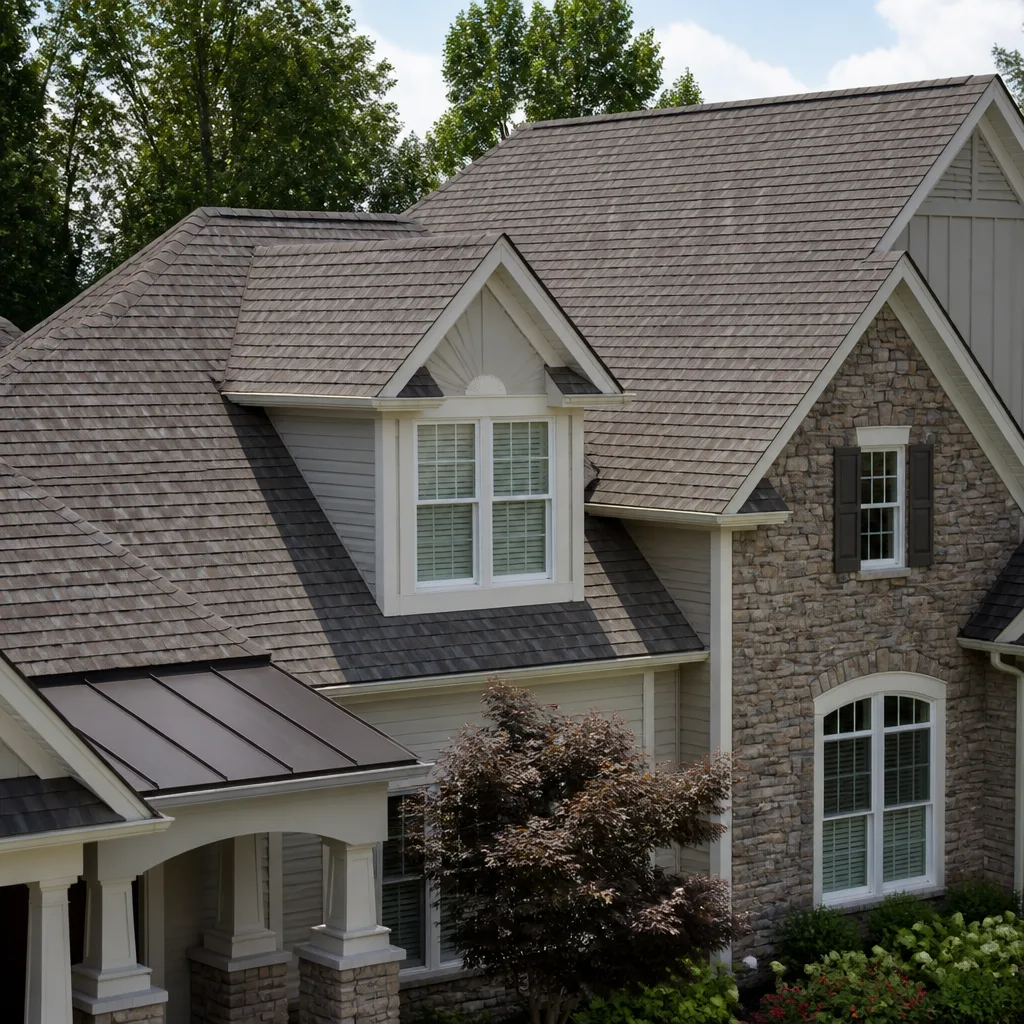 Owens Corning
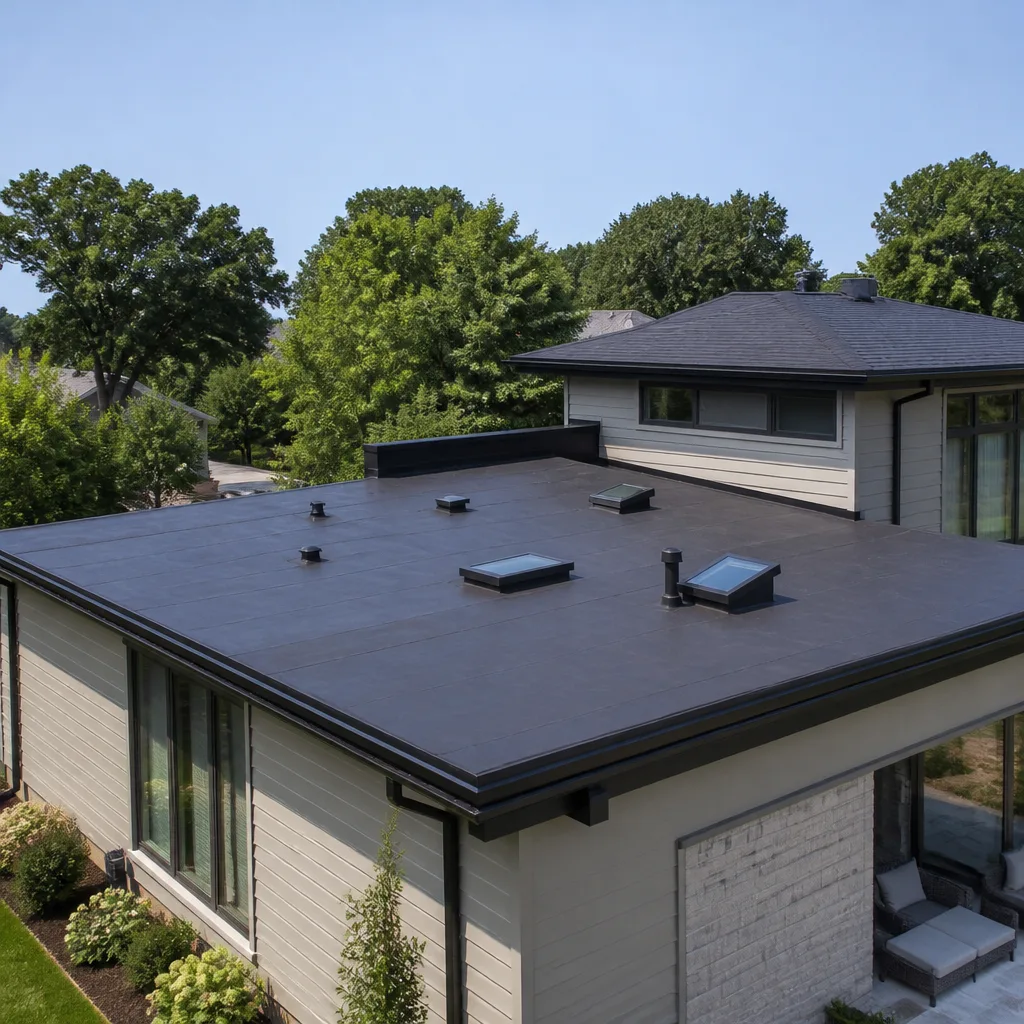 Flat & low-slope
Free roof inspection with deck photos before we talk money - GAF and Owens Corning certified installation
How to Hire a Roofing Contractor in Temecula: A Step-by-Step Guide
A contractor who carries only one shingle brand isn’t giving you a quote. They’re giving you a price for the product they already bought in bulk. That’s not a choice. That’s a clearance event with a handshake. In Temecula, where summer sun bakes rooftops at 105 degrees and Santa Ana winds send debris across the valley, the material on your roof matters more than most contractors want to admit. This guide walks through the exact steps to vet a roofer in Temecula, what separates a legitimate bid from a sales pitch, and the questions that reveal whether a contractor works for you or for their supplier. For more guides & resources, see our blog.
Quick Answer
To hire a roofing contractor in Temecula, verify their California C-39 roofing license with the CSLB, confirm they carry workers’ compensation and general liability insurance, ask which shingle manufacturers they’re authorized to install, and compare written bids that itemize decking, underlayment, and disposal costs. The right contractor inspects your actual roof before recommending repair or replacement, and offers material choice across multiple brands, not one manufacturer’s product line.
Styles & brands we work with
Table of Contents
- Verify the California C-39 Roofing License
- Insurance Certificates and the Dollar Thresholds That Matter
- Ask What Brands They Install, Not Just for References
- How Manufacturer Certification Tiers Affect Your Warranty
- Contract Red Flags: Decking, Underlayment, and Disposal Language
- Why Inspection Comes Before Any Dollar Figure
- Comparing Bids Without Losing Your Mind
- Common Mistakes to Avoid
- When to Call a Professional
- Frequently Asked Questions
- The Bottom Line
Verify the California C-39 Roofing License
California requires every roofing contractor to hold a C-39 license issued by the Contractors State License Board. Verifying this takes about 90 seconds and catches more fraud than any other single check you’ll do. Go to the CSLB license lookup at cslb.ca.gov, enter the contractor’s name or license number, and look at what comes back. You’re checking three things: the license is active, the classification is C-39 specifically, and the license has no pending disciplinary actions or unresolved complaints.
Here’s what a problematic license looks like on the CSLB lookup. A license marked “expired” or “suspended” means the contractor cannot legally work in California. A license under a different classification, like a B general building license with no C-39, means the holder isn’t specifically qualified for roofing. And a license with a worker’s compensation exemption listed should stop you immediately. A roofing crew without workers’ comp coverage puts every homeowner at risk of liability if a crew member gets hurt on your property.
In Temecula and across Riverside County, storm-chaser contractors show up after heavy wind events with printed flyers and borrowed ladders. Many of them operate on lapsed licenses from other states or no license at all. We’ve talked to homeowners in Temecula’s older neighborhoods, like Paseo del Sol and Meadowview, who paid deposits to unlicensed crews and never saw them again. The license check prevents that specific disaster.
- Go to cslb.ca.gov and click “License Check.”
- Enter the contractor name or license number from their business card or proposal.
- Confirm the license status shows “Active.”
- Confirm the classification shows “C-39 – Roofing.”
- Scroll the history for any suspensions, revocations, or consumer complaints.
- Confirm workers’ compensation coverage is listed as active, not exempt.
If the contractor hesitates to give you their license number, that’s your answer. Any legitimate Temecula roofer prints it on their proposals, their vehicles, and their website. There’s no reason to hide it unless there’s something to hide.
Insurance Certificates and the Dollar Thresholds That Matter
A C-39 license proves the contractor is qualified. Insurance proves you’re protected if something goes wrong. Before any roofer in Temecula sets a ladder against your house, ask for a certificate of insurance directly from their carrier, not a photocopy from the contractor. You’re looking at two coverage types and specific dollar amounts.
General liability insurance covers damage to your property. For a residential re-roof in Riverside County, a $1 million per occurrence limit with a $2 million aggregate is standard. If the crew drops a bundle of shingles through your patio cover, this policy pays for it. If the policy limit is lower, say $500,000, that might cover a small repair but won’t touch the cost of a major water intrusion event or structural damage during a full replacement.
Workers’ compensation insurance covers injuries to the crew. This is the one you cannot skip. A fall from a Temecula roof at 20 feet can generate six-figure medical claims. If the contractor doesn’t carry workers’ comp, and a crew member gets hurt on your property, your homeowner’s insurance becomes the target. Many Temecula homeowners don’t realize their HO-3 policy excludes injuries to uninsured workers, leaving them personally exposed.
Here’s the checklist to run with every Temecula roofer:
- Ask for a Certificate of Insurance (COI) issued by the insurance carrier, not the contractor.
- Confirm general liability shows at least $1 million per occurrence.
- Confirm workers’ compensation coverage is active with no exemption.
- Verify the certificate lists the roofing company’s legal name and C-39 license number as the insured.
- Check the policy effective dates cover your project window.
- Call the carrier’s verification line if anything looks off. Insurance fraud is real.
A contractor who pushes back on this request isn’t protecting their schedule. They’re protecting themselves from you discovering a gap. Every reputable Baycrest Roofing home project starts with certificate verification, because we’ve seen what happens when it doesn’t.
Ask What Brands They Install, Not Just for References
References tell you whether past customers were happy. They don’t tell you whether the roofer can match the right material to your roof. The more revealing question is: “Which shingle manufacturers are you authorized to install?” A contractor who names one brand, and only one brand, is not offering you a roofing recommendation. They’re offering you their inventory.
Here’s why this matters in Temecula. The city sits in a climate zone with intense UV exposure, summer attic temperatures that can exceed 140 degrees, and occasional wind gusts that rip up low-quality shingles along the western slopes near the Santa Rosa Plateau. A shingle that works fine on a shaded coastal home in San Diego fails prematurely on a Temecula south-facing roof. Different manufacturers build products with different granule densities, adhesive strengths, and wind ratings. A roofer who works with GAF, CertainTeed, and Tamko can match a high-wind rated product to your exposure. A roofer who carries only one line matches your roof to whatever that line happens to sell.
Single-brand roofers also tend to be financially tied to their supplier. Many operate under dealer agreements that reward volume with rebates and priority pricing. The result: they recommend the shingle that maxes their margin, not the shingle that maxes your roof’s service life. We’ve replaced roofs in Temecula’s Crowne Hill and Morgan Hill neighborhoods where a previous contractor installed a budget three-tab on a roof with high wind exposure—a scenario covered in our Roof Repair Troubleshooting: Common Problems and How to Fix Them. The shingles failed in under a decade. The warranty covered materials only. Labor was on the homeowner.
When you ask about brands, listen for specifics. A contractor who works with Boral can discuss that Boral’s stone-coated steel products handle Temecula’s high-heat cycles differently than an asphalt shingle. A contractor who works with Atlas can talk about the Atlas StormMaster line and its wind ratings. A contractor who works with Tamko can explain where that product line fits on the cost spectrum. A contractor who works with one brand can only talk about the one product sheet their rep handed them.
Material choice is not a luxury. It’s the variable that determines whether your $18,000 roof lasts 15 years or 30. And in Temecula, where a full replacement runs $15,000 to $28,000 depending on size and material, that delta is not trivial. For a deeper look at what replacement involves and what you should expect to pay, see our guide to Roof Replacement in Temecula.
How Manufacturer Certification Tiers Affect Your Warranty
Roof warranties are split into two piles: manufacturer material warranties and contractor workmanship warranties. Most homeowners think the manufacturer backs the whole roof. That’s wrong. The manufacturer backs the shingle. The contractor backs the installation. If the installation fails because of a contractor error, the manufacturer’s material warranty does not cover the repair. This is the single most misunderstood part of the roofing purchase, and it costs Temecula homeowners real money.
Manufacturer certification tiers determine which contractor can offer which warranty. Most major manufacturers run a tiered program. CertainTeed calls its top tier “Select ShingleMaster.” GAF has “Master Elite” and “Certified” levels. Owens Corning has “Preferred” and “Platinum Preferred.” To reach the top tier, a contractor must demonstrate ongoing training, maintain a minimum volume, and pass regular inspections of their installations. A lower-tier certified contractor can install the same shingle but cannot register it for the same warranty level.
Why this matters for you: the enhanced warranty from a top-tier certified contractor often extends the material warranty period and adds labor coverage for a defined number of years. If the shingles fail due to a manufacturing defect, a top-tier certified installer can usually get both the replacement shingles and the installation labor covered. A lower-tier installer gets you the shingles only, leaving you to pay labor out of pocket.
Here’s what to ask when a Temecula roofer pitches a warranty:
- What certification level do you hold with the manufacturer of the shingle you’re recommending?
- Can you show me the certificate from the manufacturer, not just a badge on your website?
- Does the warranty registration cover materials only, or materials and labor?
- For how many years does the labor coverage extend?
- Who do I call for a warranty claim: the manufacturer, you, or a third party?
- Does the warranty transfer to a new owner if I sell the home?
On the last question, transferability matters in Temecula, where homes turn over on five-to-seven-year cycles. A non-transferable enhanced warranty adds nothing to your resale. A transferable one is a documented selling point. Some manufacturers let the top-tier certified installer extend the warranty to a second owner for a fee. Ask before you sign.
One more thing. A contractor who is certified with multiple manufacturers has no incentive to steer you toward a particular brand. They keep their certifications by installing correctly, not by hitting a vendor quota. That independence is exactly what you want when you’re spending five figures.
Contract Red Flags: Decking, Underlayment, and Disposal Language
The written contract is where reputable Temecula roofers separate themselves from the ones who quote low and bill high. Roofing contracts are unlike any other home improvement document. They’re dense with material terms, and vague language in three specific areas costs homeowners thousands in change orders after the tear-off begins.
First, decking. The deck is the plywood or OSB layer under the shingles. You can’t see it until the old roof comes off. A thorough roofer in Temecula anticipates rot or water damage around penetrations and valleys. The contract should state a per-sheet price for decking replacement, not a vague “additional decking as needed.” If the contract says “decking replacement extra” with no number, you’ve signed an open check. We’ve seen Temecula homes in the older Redhawk tract where 40 sheets of decking needed replacement. At $80 per sheet, that’s $3,200 the homeowner didn’t plan for. A precise contract told them the number before they signed.
Second, underlayment. This is the water-shedding layer between the deck and the shingles. The wrong underlayment in Riverside County, where summer heat bakes the roof before winter rains arrive, can fail in as little as a decade. The contract should specify the brand and product line, not just “synthetic underlayment.” If the contractor won’t name the underlayment, they’re reserving the right to install whatever was cheapest that week at the supply house.
Third, disposal. Removing a two-layer roof from a 2,000-square-foot Temecula home produces 6 to 8 tons of debris. The contract should state whether disposal is included, and if there’s a landfill fee pass-through, what the fee is. If the contract says “disposal extra” or doesn’t mention disposal at all, the dumpster charge lands at the end with the change order. That’s usually $400 to $700, and the contractor knows it when they write the bid.
A legitimate Temecula roofing contract should include, in writing: start and completion dates, payment schedule tied to inspections, material brands and product lines, underlayment specification, decking per-sheet price, disposal terms, permit responsibility, and a workmanship warranty term with no blank spaces. If the contract arrives on a single page with three line items, you’re not looking at a contract. You’re looking at a wish list.
Why Inspection Comes Before Any Dollar Figure
No legitimate roofing recommendation starts with a price. It starts with eyes on the roof. A contractor who quotes you a replacement cost without inspecting the roof is telling you what they want to charge, not what your roof needs. In Temecula, where so many roofs fail in predictable patterns, the diagnostic step is where honest contractors separate from sales teams.
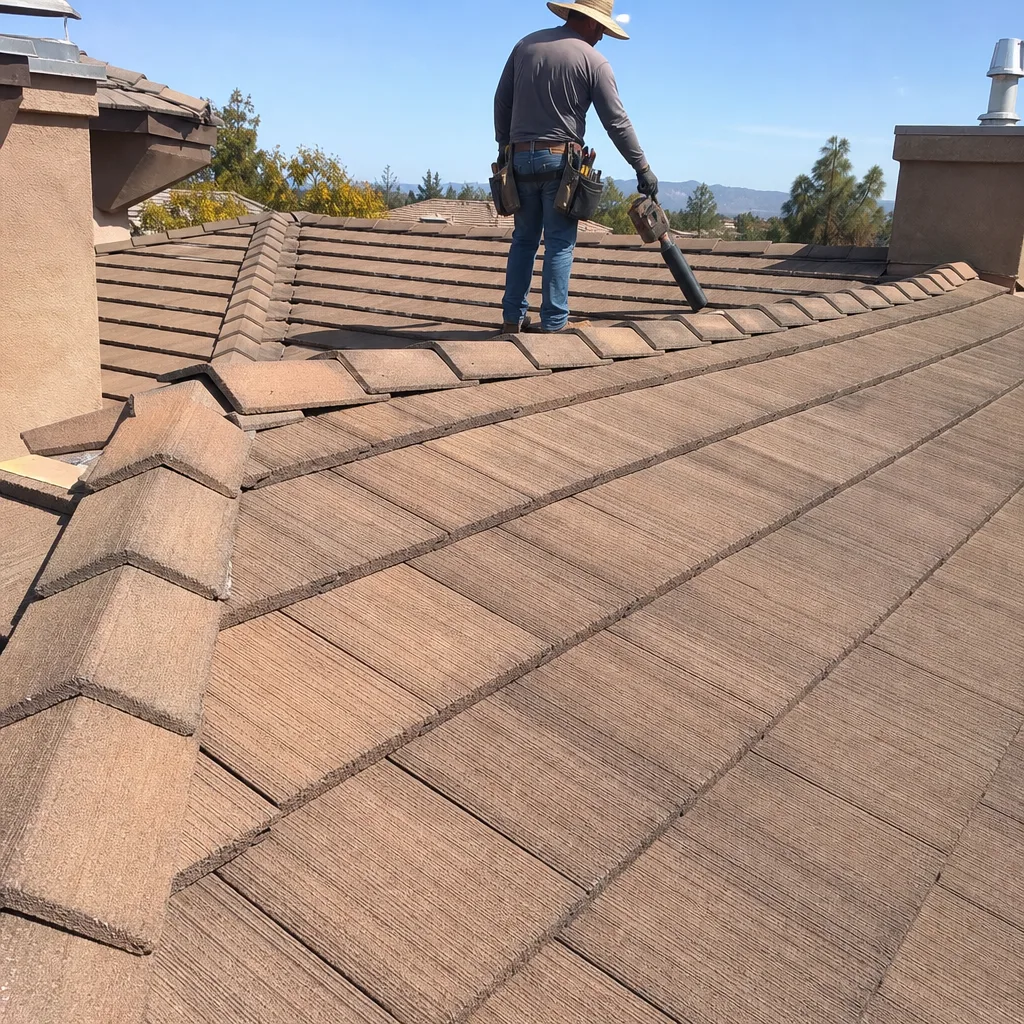
Here’s what a real inspection in Temecula should cover. The roofing contractor walks the roof surface and checks shingle granule loss, checking for the accelerated UV degradation that’s common on south-facing slopes in the Temecula Valley. They check flashing at penetrations: skylights, vents, chimneys, the places where water always finds a way in. They look at the attic from the inside, because underlayment failures on hot valley roofs often show as small water stains before they show as ceiling leaks. They check ventilation, because a Temecula attic without adequate intake and exhaust airflow bakes shingles from below and voids most manufacturer warranties.
A contractor who skips all this and quotes you a replacement from a satellite photo is not doing you a favor. They’re selling a product on a guess. Sometimes the honest answer is repair. A flashing replacement and two bundles of shingles on a 10-year-old roof might buy you another decade. A full replacement might be unnecessary. But you only learn that from an inspection. Our process at Baycrest Roofing is straightforward: inspect the actual roof condition first, then recommend repair or replacement based on what the roof shows. We’ve talked Temecula homeowners out of replacements they didn’t need. That’s not lost revenue. That’s the next roof, and the one after that. Learn more about our diagnostic-first approach on our Roof Inspection in Temecula page.
Comparing Bids Without Losing Your Mind
You’ve got three bids in front of you. One is $14,000, one is $19,000, one is $26,000. Same house, same roof, three wildly different prices. This is the point where most Temecula homeowners freeze or default to the cheapest number. Here’s how to actually read the three bids.
First, check whether all three bids are for the same scope. The $14,000 bid probably assumes no decking replacement, uses a mid-tier underlayment, and plans to re-use existing flashing. The $26,000 bid likely includes full decking replacement, a high-end underlayment system, new flashing at every penetration, and a premium shingle from a top-tier certified installer. The $19,000 bid is somewhere in between. The differences are not random. They’re material line items.
Second, compare the shingle brands and products. A GAF Timberline HDZ architectural shingle costs more than a Tamko Heritage, and both cost more than an entry-level Atlas product. Price differences often reflect material upgrades, not contractor greed. The question is whether the more expensive product is justified for your roof’s exposure. That’s a material-matching decision, not a budget decision. The right answer for a Temecula north-facing roof with moderate sun exposure might be a mid-tier product. For a south-facing roof in the sun-blasted hills near Wine Country, a premium product pays for itself. See our Roofing Cost Breakdown: The Temecula Homeowner’s Reference for 2026 for typical pricing tiers.
Third, line up the numbers side by side:
| Line Item | Bid A ($14,000) | Bid B ($19,000) | Bid C ($26,000) |
|---|---|---|---|
| Shingle product | 3-tab, no brand stated | Mid-tier architectural, brand stated | Premium architectural, brand and product line stated |
| Underlayment | Felt, not specified | Synthetic, brand stated | Synthetic, premium brand stated |
| Decking | Not mentioned | Per-sheet price stated | Per-sheet price stated |
| Flashing | Reuse existing | Replace critical penetrations | Replace all penetrations |
| Disposal | Not mentioned | Included | Included |
| Warranty | Unstated | 5-year workmanship | 10-year workmanship, manufacturer top-tier registration |
When you organize it this way, the $14,000 bid stops looking like a bargain and starts looking like a set of deferred surprises. The $19,000 bid is the honest middle. The $26,000 bid is over-specced for many homes, but right for a high-exposure roof on a house you plan to keep for 20 years. The correct answer depends on the roof, not the brochure.
What a Temecula Climate Reality Check Tells You
Temecula’s climate is not gentle on roofs. The city sits in a unique microclimate where inland valley heat meets coastal marine influence, and the result is thermal cycling that stresses materials differently than either San Diego to the south or Menifee to the north. Summer days routinely hit 95 to 105 degrees. Winter nights drop into the 30s. That’s a 70-degree daily swing during transitional seasons, and it means your roof expands and contracts constantly.
What this means for material choice: asphalt shingles in Temecula need high temperature resistance ratings. Products rated for cooler climates lose granules faster here, which shortens service life. The granule loss you see in gutters after a heavy rain isn’t just cosmetic. Granules protect the asphalt layer from UV breakdown. Once the asphalt is exposed, the shingle starts to dry, crack, and curl. Temecula’s sun exposure is brutal enough that lower-grade shingles can show visible degradation in under a decade.
What this means for installation: Temecula’s hot roofs require proper attic ventilation to meet most manufacturers’ warranty conditions. A roof installed without adequate intake and exhaust ventilation traps heat in the attic, which superheats the shingles from below. Many manufacturer warranties are voided by inadequate ventilation, whether the heat damage shows up in the materials or not. This is why the inspection step matters before the shingle brand conversation even starts.
What this means for timing: Temecula’s rainy season is concentrated in winter and early spring, but afternoon thunderstorms can arrive fast in late summer. Contractors who schedule re-roofs during the wrong month leave homes exposed to water intrusion. A roofer who knows Temecula’s weather patterns plans around the window where a dry deck is guaranteed long enough to lay underlayment and shingles.
Repair or Replace: How to Know Before You’re Asked to Spend
The most profitable question in roofing is not “what’s your cheapest shingle.” It’s “does my roof actually need replacement, or can a repair solve this?” A contractor who answers that honestly wins your trust. A contractor who jumps straight to replacement wins your money, once. In Temecula, where so many roofs are coming up on the 15-to-25-year mark, the line between repairable and replaceable is not always obvious.
Signs a targeted repair makes sense: the roof is under 15 years old, the shingles are intact except in one area, the leak traces to a specific penetration like a vent or valley, and the decking is sound. If a wind event tore off a few shingles on an exposed edge, a repair restores the roof without touching the rest of it. We handle this routinely for homes across Temecula. See our Roof Repair in Temecula page for scope details.
Signs replacement is the honest call: the shingles are cupping, curling, or losing granules across broad areas, the roof is over 20 years old, there are multiple active leaks, or the decking shows water damage in multiple sections. In these cases, a patch job is money spent on a failing system. The next rain or wind event opens a new leak somewhere else, and you’re on a treadmill of repair bills.
The diagnostic sequence should always run the same way: inspect the roof surface, inspect the attic, inspect the previous repairs if any, then recommend the scope based on what the roof shows. If a Temecula contractor quotes a replacement before they’ve been on your roof, ask them how they know. The honest ones will tell you they need eyes on it first.
Permits and Code Requirements in Riverside County
Roof replacements in Temecula require a building permit from the City of Temecula Building & Safety Division. This is not optional, and a contractor who says they can skip the permit is setting you up for trouble. Permits ensure the roof meets current California Building Code requirements, including the state’s Title 24 energy standards that apply to any roofing project where the deck is exposed.
In Riverside County, roof replacements on residential homes must meet current code for uplift resistance, fire resistance, and, depending on the scope, cool roof requirements. Temecula is in a Wildland-Urban Interface zone in several areas, particularly the neighborhoods near the Santa Rosa Plateau and the hills east of the 15 Freeway. Homes in those zones may require Class A fire-rated roofing materials, which limits your shingle options to products that meet the assembly rating. A roofer who doesn’t know the WUI boundaries around Temecula could spec a product that fails inspection.
The permit process adds cost, usually $300 to $600 depending on the project value, but it also adds accountability. An inspector verifies the underlayment before shingles go down, checks the decking condition, and confirms proper fastening. A contractor who resists permitting is asking you to trade a few hundred dollars for the loss of the main quality control checkpoint. If you’re evaluating a Temecula roofer, ask directly: “Do you pull the permit, and does your quote include permit fees?” The answer should be yes on both, with no hedging.
Common Mistakes to Avoid
- Choosing the lowest bid without comparing scope. The cheapest Temecula roof bid is usually cheaper because something is missing: decking, underlayment spec, flashing, or disposal. Those omissions become change orders after tear-off starts.
- Hiring a contractor who installs only one shingle brand. A single-brand roofer is selling you their inventory, not a recommendation. Material choice matters more than most homeowners realize, and Temecula’s UV-heavy climate punishes poorly matched products.
- Signing a contract with vague decking language. “Decking replacement as needed” means you’re agreeing to pay whatever they decide after the old roof comes off. The contract should state a per-sheet price before you sign.
- Skipping the workers’ compensation verification. If a crew member falls off your roof, you want to know the contractor’s policy covers it. An exemption on the CSLB lookup means it doesn’t.
- Ignoring manufacturer certification levels. The difference between a top-tier certified installer and a basic one is often the difference between a warranty that covers labor and one that covers shingles only. That’s a five-figure difference if a claim happens.
- Not asking about ventilation during the inspection. Temecula attics run hot. A roofer who never discusses ventilation is not doing the full job, and your shingle warranty may be void because of it.
- Paying in full upfront. The standard in California is a deposit with progress payments tied to inspection milestones. A contractor who demands full payment before materials arrive is a red flag in any market.
When to Call a Professional
Call a professional roofer when you see granule buildup in your gutters after rain, water stains on your ceiling, shingles curling at the edges, or when your roof has passed the 15-year mark and you’ve never had a full inspection. Wind events in Temecula, particularly the October Santa Ana cycles, leave loose shingles that let water in during the first winter rain. If you’re prepping a home for sale in Temecula, a pre-listing inspection catches issues before they show up on a buyer’s report and cost you in negotiation. Baycrest Roofing offers free estimates in Temecula. Call (866) 412-5697 to schedule an inspection and get a written scope based on what your roof actually needs.
Frequently Asked Questions
A full roof replacement in Temecula typically runs $15,000 to $28,000 for a standard single-family home, depending on square footage, material grade, decking condition, and slope complexity. Mid-tier architectural shingles on a 2,000-square-foot roof with minimal decking replacement usually land around $18,000 to $22,000. Call (866) 412-5697 for an exact quote, estimates are free.
Most Temecula roof replacements take 2 to 5 days from tear-off to final inspection, depending on the roof size, slope, and how much decking replacement the inspection reveals. Weather delays in winter can extend that window. A clear contract should state the start and completion dates before you sign.
A Temecula roofing contractor must hold an active C-39 Roofing license from the California CSLB. Verify the license number on cslb.ca.gov and confirm the status is active with no suspensions or unresolved complaints before signing anything.
No. Roof replacements in Temecula require a building permit from the City of Temecula Building & Safety Division. A contractor who suggests skipping the permit is asking you to accept work that hasn’t passed code inspection, which creates problems for insurance and future sales.
If the roof is under 15 years old, the shingles are mostly intact, and the leak traces to a specific area like a vent or valley, a targeted repair is often the honest fix. If the shingles are curling across broad areas, the roof is over 20 years old, or multiple leaks are active, replacement is usually the better financial decision. A proper inspection determines which applies.
Yes, especially in Temecula’s high-UV climate. Different manufacturers build products with different temperature ratings, wind resistance, and granule retention. A shingle matched to your roof’s exposure lasts significantly longer than a generic product force-fit onto the roof. Your contractor should be able to discuss specific brand options and why one fits your roof better than another.
The Bottom Line
Hiring a roofing contractor in Temecula comes down to a simple sequence: verify the C-39 license, confirm insurance coverage, ask about manufacturer certifications and brand options, demand a written contract with itemized decking and disposal terms, and never accept a price before the roof has been inspected. The contractors who pass all these checks are the ones who inspect first, recommend second, and match the material to your roof instead of your roof to their inventory. At Baycrest Roofing, we carry seven major shingle lines because material choice should serve the homeowner, not the supplier. If you’re in Temecula and want a roofer who starts with the inspection and shows you the options honestly, call (866) 412-5697 or visit our Baycrest Roofing home page to schedule your free estimate.
Written by the team at Baycrest Roofing, serving Temecula since 2013.
See the difference
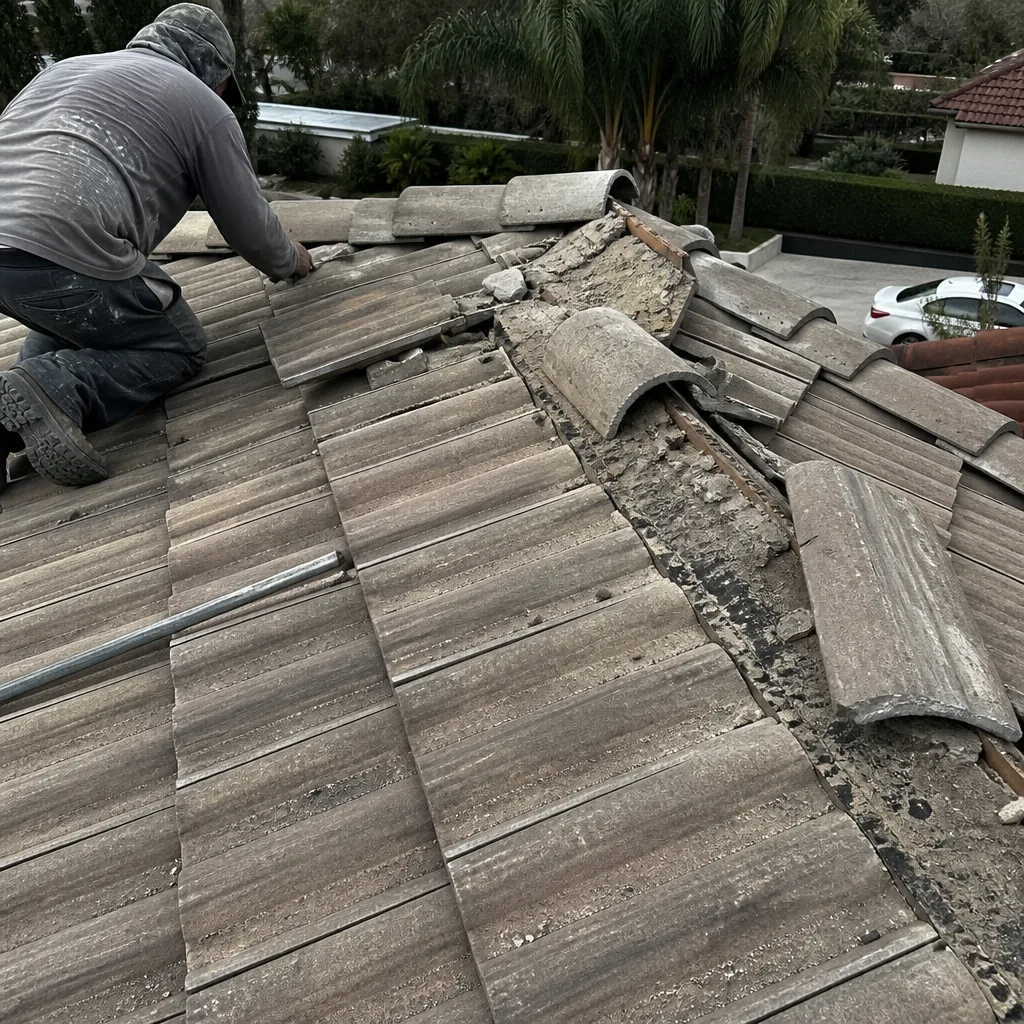 Before
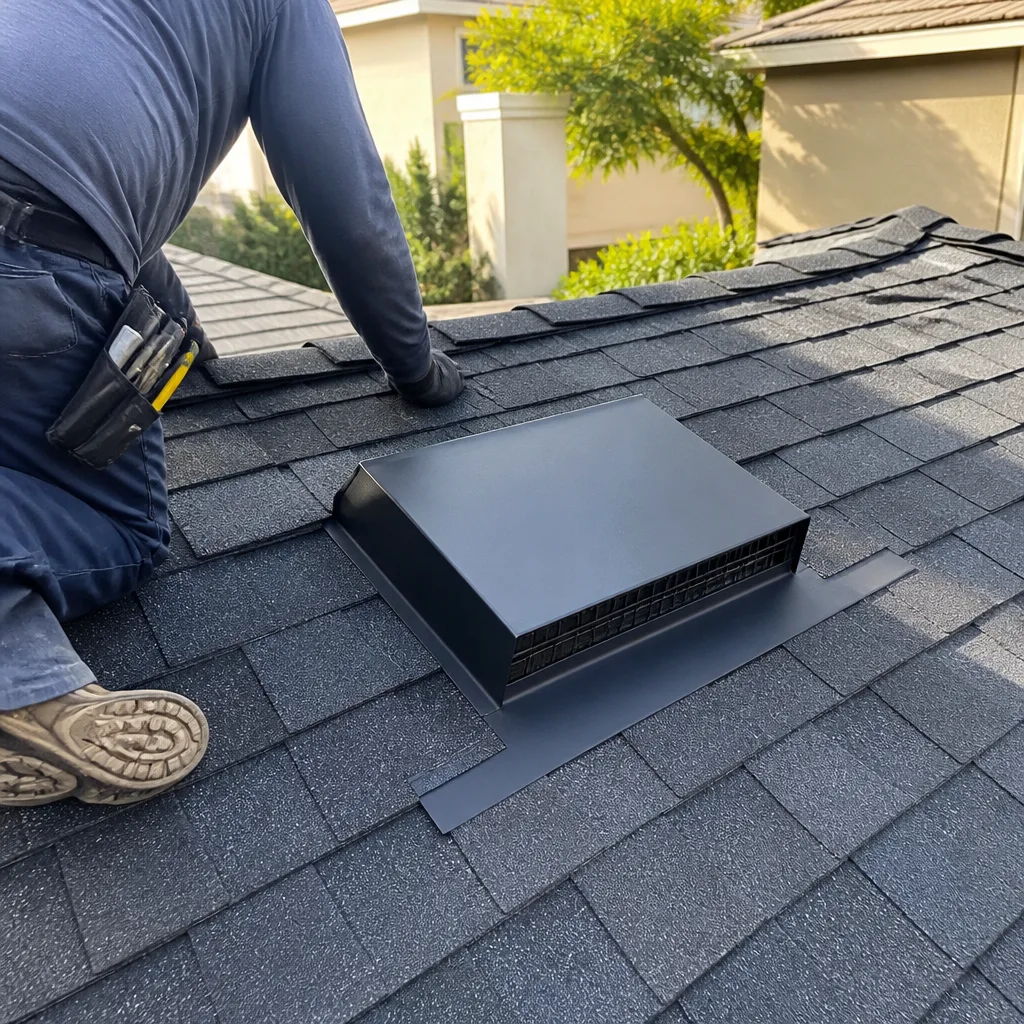 After
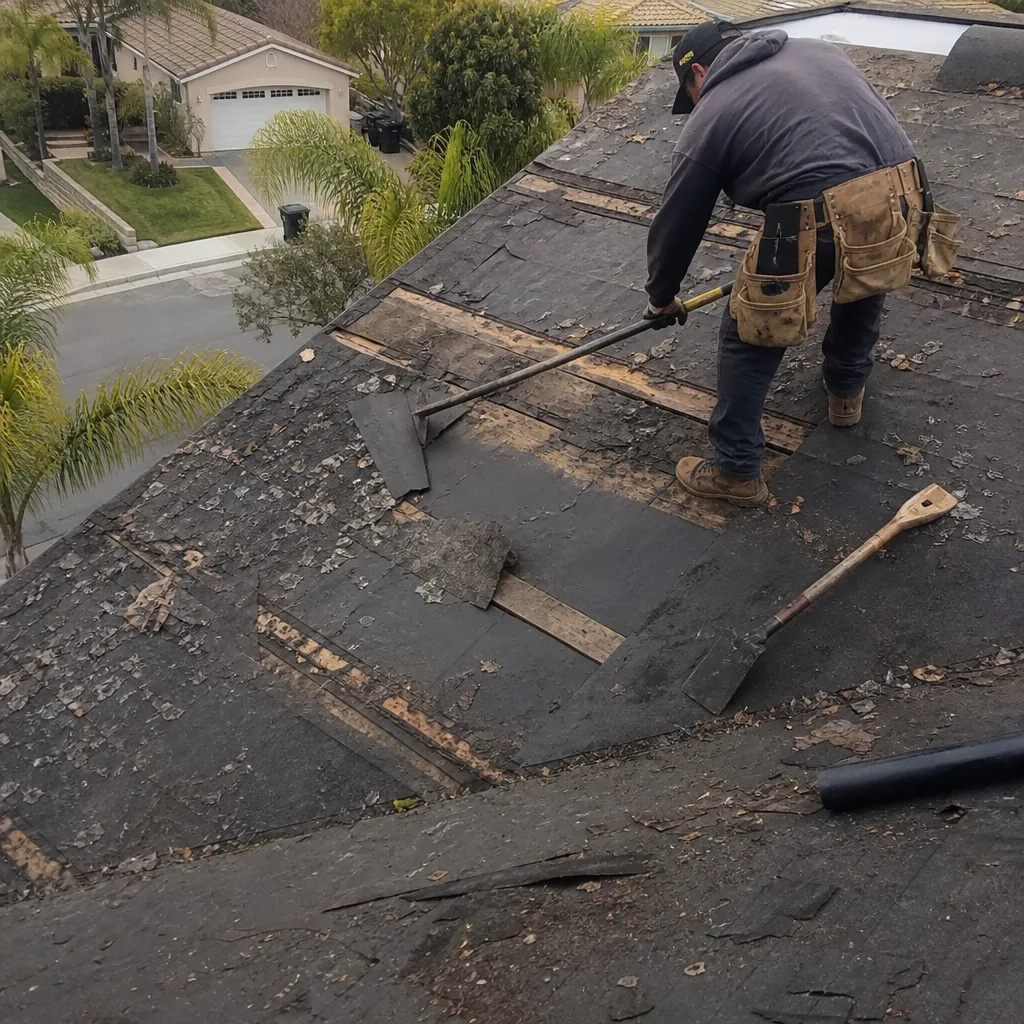 Before
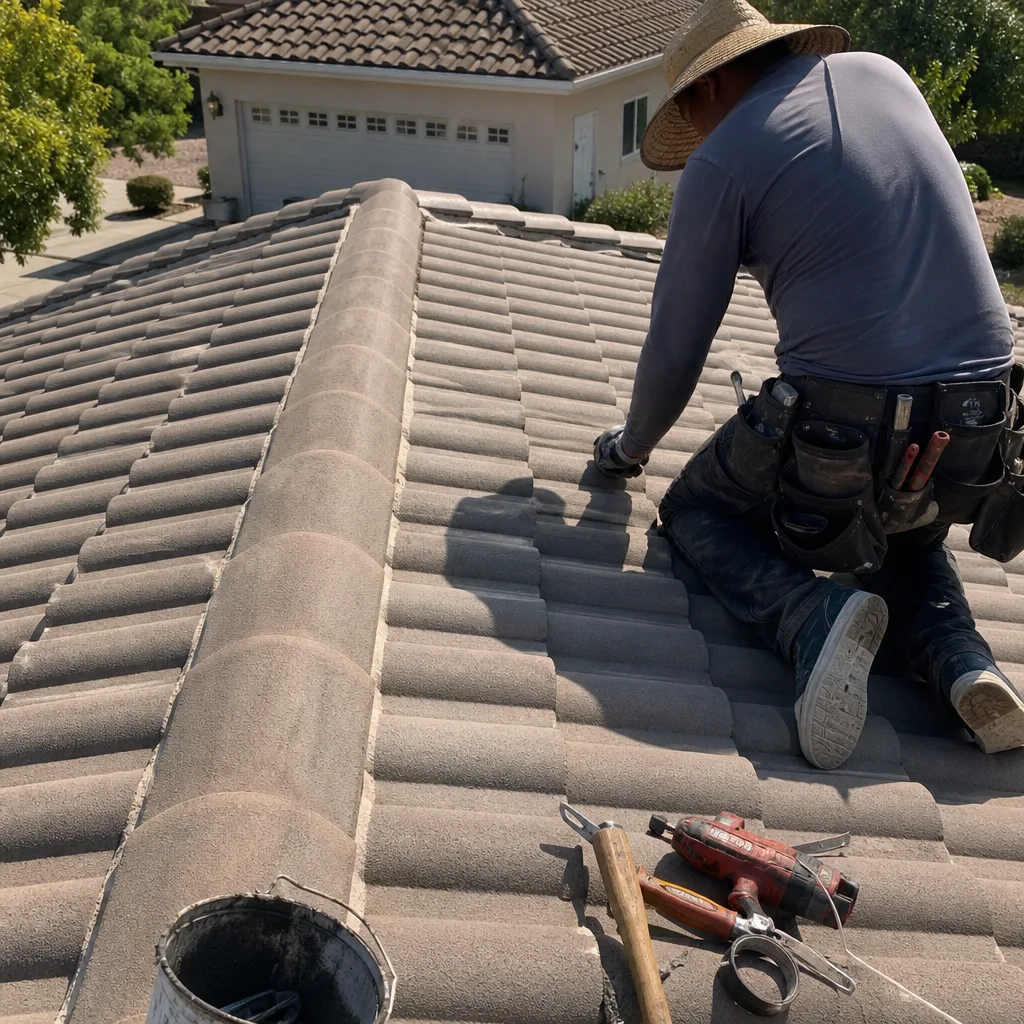 After
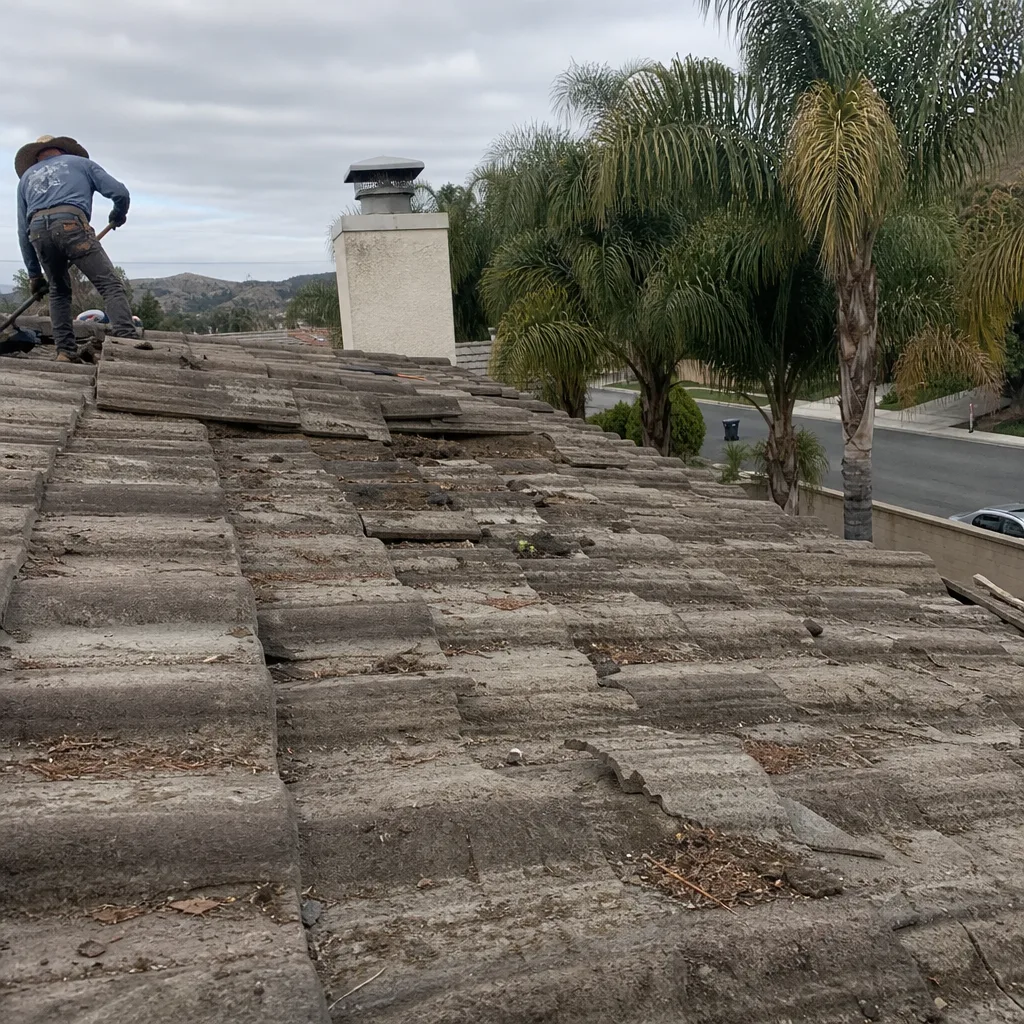 Before
 After