
Last updated October 31, 2026
 Architectural shingles
 Metal roofing
 Tile roofing
 GAF
 Owens Corning
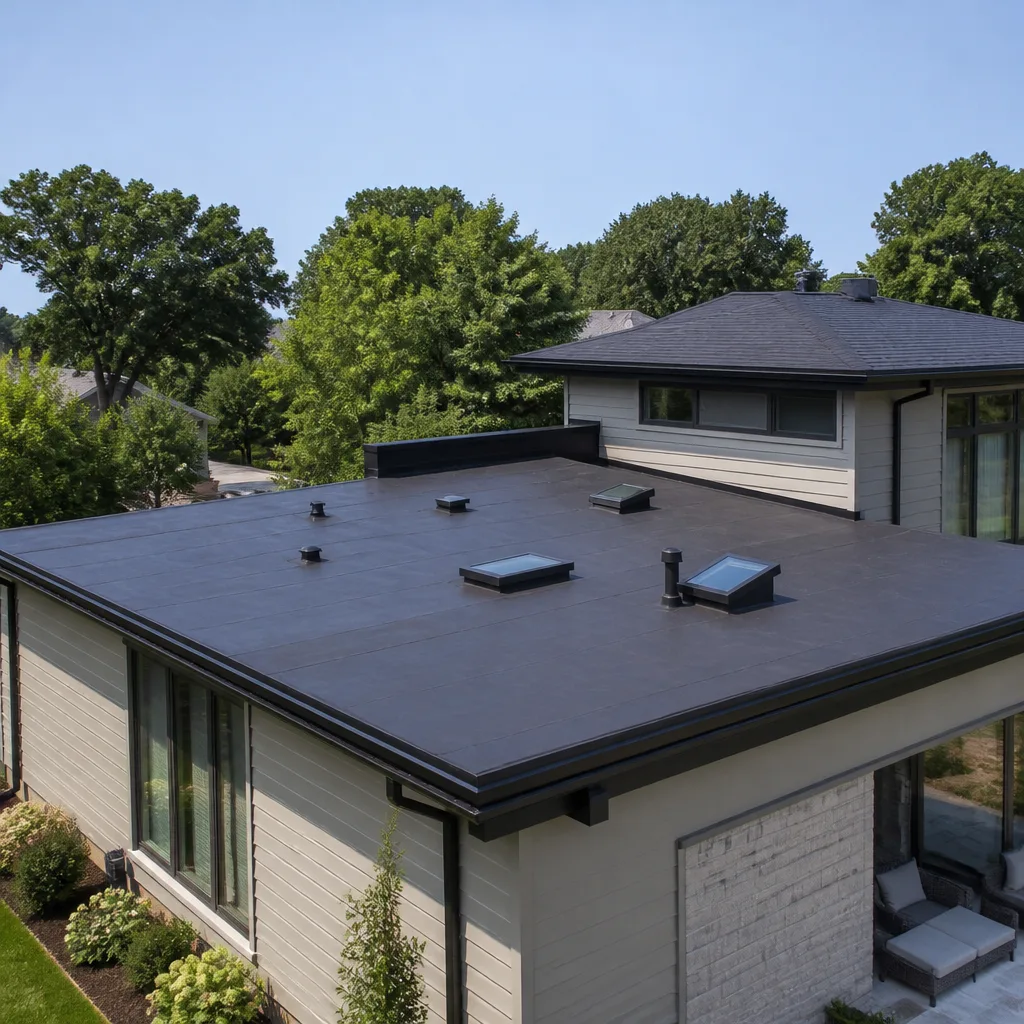 Flat & low-slope
Free roof inspection with deck photos before we talk money - GAF and Owens Corning certified installation
Roof Repair Maintenance Checklist for Temecula Homeowners
The single most common cause of water intrusion on Temecula roofs isn’t missing shingles. It’s flashing that worked fine until three consecutive 110°F days caused the sealant underneath to liquefy and drain away. Most maintenance checklists circulating online are seasonal templates copied from Pacific Northwest guides, where the enemy is moss and constant moisture. Temecula homeowners face a different failure sequence entirely: thermal expansion stress, wind-driven debris from Santa Ana events, and a compressed October-to-December rain window that punishes deferred maintenance. This guide walks through the specific checks that matter for our climate, our tree canopy, and our weather patterns, so you can catch problems before they become leaks.
Quick Answer
A Temecula roof maintenance checklist should prioritize flashing inspection and sealant integrity before shingle condition, because our extreme summer heat degrades sealants faster than it wears out shingle surfaces. The highest-value maintenance windows are April (post-rain assessment), September (pre-rain preparation), and immediately after any Santa Ana wind event above 40 mph. Walk the roof perimeter visually every season, document changes with photos, and clear debris from valleys and scuppers before the October rains arrive.
Styles & brands we work with
Table of Contents
- Flashing First: The Temecula Thermal Expansion Protocol
- Santa Ana Wind Tab Lifts and the Pry Test
- Valley Oak and Eucalyptus Debris: Granule Loss and Moss Risk
- The October Pre-Rain Window: What to Clear, Seal, and Document
- Photo Documentation: Tracking Degradation Year Over Year
- Attic Ventilation and Heat Load: The Overlooked Roof Killer
- Common Mistakes to Avoid
- When to Call a Professional
- Frequently Asked Questions
Flashing First: The Temecula Thermal Expansion Protocol
If you do nothing else on this checklist, inspect your flashing. Here’s why: Temecula routinely sees summer temperature swings of 40 degrees between nighttime lows and afternoon highs. Roof flashing, typically galvanized steel or aluminum, expands and contracts with every cycle. The sealants used around flashing joints, at pipe penetrations, and along chimney bases are the first materials to fail under this stress. When the sealant fails, water finds the gap. It’s that simple.
The areas that fail most often on Temecula roofs are:
- Chimney base flashing where the masonry meets the roof plane. The chimney heats differently than the roof deck, creating differential movement.
- Pipe boot flashings around plumbing vents. The rubber gasket degrades under UV exposure and splits, usually on the south and west exposures that take the most sun.
- Valley metal where two roof planes meet. Debris accumulates here first and holds moisture against the metal.
- Head wall flashing where the roof meets a vertical wall. This is a common leak source on two-story Temecula homes with stucco exteriors.
In our experience inspecting roofs across Temecula, we find failed flashing on roughly one in three roofs over 15 years old, even when the shingles themselves look serviceable. The shingle may have years left, but the flashing has already given up. That’s why repair scoping should always start with a flashing assessment, not a shingle count. If you’re considering a roof repair in Temecula, ask your contractor to walk you through the flashing condition specifically, not just the field shingles.
What to Look For
- Cracked or peeling sealant at any junction between flashing and another surface. Hairline cracks are enough to let water in.
- Rusted-through flashing metal, especially at the base of chimneys and along valley lines where debris sits.
- Lifted flashing edges that no longer sit flush against the wall or chimney. Wind can work these loose over time.
- Missing or displaced pipe boot covers. Squirrels and birds sometimes pull these loose in search of nesting material.
- White powdery residue on flashing metal, which indicates galvanic corrosion and means the metal is degrading.
Santa Ana Wind Tab Lifts and the Pry Test
Santa Ana winds hit Temecula from the northeast, typically between October and February, with gusts that regularly exceed 50 mph in the foothill neighborhoods east of Wine Country. These winds do something specific to asphalt shingles: they catch the exposed tab edge, flex it upward, and weaken the adhesive strip that bonds the tab to the shingle below. A shingle that looks fine from the ground may have completely lost its bond.
The test is simple, but it needs to be done carefully. On a cool morning, before the sun heats the shingles, gently lift the edge of any suspect tab with your fingers. If the tab lifts more than about an inch with minimal resistance, the adhesive bond has failed. On a properly bonded shingle, you should feel strong resistance almost immediately. Do not do this test on a hot afternoon. Shingles get pliable in heat and will lift even when the bond is intact, giving you a false reading, and aggressive pulling can crack older shingles.
We recommend homeowners perform this check twice a year: once in late October before the Santa Ana season peaks, and once in March after the winds have subsided. Pay special attention to:
- The leading edges of the roof facing northeast, where Santa Ana winds hit first.
- Hip and ridge caps, which are the most wind-exposed shingles on the roof.
- Any area where a previous repair was made. Patch jobs often fail at the adhesive seams first.
If you find multiple lifted tabs, that’s not automatically a full roof replacement. Individual tab re-sealing is a legitimate repair, and it’s far less expensive than replacement. But it should be done before a rain event. A lifted tab in a Santa Ana wind is one gust away from becoming a missing shingle. That’s the kind of roof inspection in Temecula that costs less than the water damage it prevents.
Valley Oak and Eucalyptus Debris: Granule Loss and Moss Risk
Temecula’s tree canopy is dominated by valley oaks and eucalyptus, and both species create roof maintenance problems that pine-needle checklists never address. Valley oak leaves are broad, flat, and slow to decompose. When they accumulate in roof valleys and behind chimneys, they form a mat that holds water against the shingle surface for weeks after a rain. That standing moisture dissolves the asphalt binder in shingles, accelerating granule loss and creating ideal conditions for moss and algae growth on the north-facing slopes.
Eucalyptus debris is worse in a different way. Eucalyptus leaves contain oils that are mildly acidic. When leaves decompose on a roof surface, those oils break down and can etch the granule coating on asphalt shingles. The combination of eucalyptus leaf debris and our summer heat creates a concentrated degradation zone wherever the leaves collect. We’ve seen 20-year shingles on homes shaded by mature eucalyptus trees show granule loss patterns after only eight years, specifically in the valleys and along the eave lines where the debris settles.
Granule loss matters because granules are the shingle’s UV protection and fire resistance layer. Once granules go, the asphalt substrate is exposed and degrades rapidly. In Temecula’s high-UV climate, that degradation cycle moves faster than it does in coastal communities.
The maintenance protocol for our leaf types is straightforward:
- Clear valleys monthly during the fall leaf-drop period, even if it means getting on a ladder more often than you’d like.
- Use a leaf blower from the ridge line downward, working with gravity rather than against it. Never blow debris up under shingle courses.
- Check behind chimneys and skylights, where wind-driven leaves pile up in eddies.
- Trim overhanging branches that deposit debris directly onto the roof surface. A branch that touches the roof is a debris conveyor belt.
If you’re replacing a roof on a heavily treed lot, this is where material selection matters. Some asphalt shingle lines from CertainTeed and GAF include algae-resistant copper granules that slow moss colonization on shaded slopes. Tamko and Atlas produce value-tier lines with solid granule retention that hold up well under eucalyptus exposure at a lower price point. The right choice depends on your specific tree canopy, not a manufacturer’s brochure.
The October Pre-Rain Window: What to Clear, Seal, and Document
Temecula’s rain pattern is compressed. We typically go from zero meaningful rainfall between May and September to concentrated storm events starting in late October or November. That means there’s one window each year when maintenance has maximum leverage: September through mid-October. Here’s the pre-rain protocol we recommend to every Temecula homeowner.
Step 1: Clear Every Drainage Path
Not just the gutters, but every path water travels off the roof. That means valleys, scuppers, downspout entry points, and the gap behind the gutter where debris hides against the fascia board. A roof that drains well can survive minor flashing gaps that would turn a clogged roof into a leak. In Temecula, the first heavy rain of the season is the test. The roof that leaks in November is usually the roof that held debris in October.
Step 2: Reseal Small Gaps Before They Become Leaks
If you found hairline cracks in flashing sealant during your inspection, October is the time to address them. A tube of high-quality roofing sealant costs under $20. The water damage repair from a leak that starts in November costs thousands. Focus on pipe boots, chimney counter-flashing, and any place where sealant has pulled away from stucco or masonry.
Step 3: Document Everything
Take dated photos of every roof plane, every flashing detail, and any area you’ve noticed changing. These photos are your baseline for the next year. More on this in the photo documentation section below.
Step 4: Schedule a Professional Inspection if You Have Any Doubt
If you’re not comfortable on a ladder, or if you’ve seen anything that worries you, this is the time to get a professional assessment. The window between September and the first storm is when inspectors are least busy and when repairs can be completed before the weather turns. A thorough roof inspection in Temecula should cost less than a single emergency repair call in December.
Photo Documentation: Tracking Degradation Year Over Year
You don’t need a drone or a professional camera to track your roof’s condition over time. A smartphone and a consistent method will do it. The key is repeatability: same angles, same lighting, same time of year, every year. When you compare photos taken 12 months apart from the same position, subtle changes in shingle curling, granule loss, and flashing alignment become obvious.
Here’s the documentation method we teach to Temecula homeowners:
- Shoot from the ground at four corners. Stand at each corner of the house, frame the roof from eave to ridge, and take a photo. These four angles capture most visible degradation.
- Zoom in on flashing details. From the ground or a ladder, photograph the chimney base, pipe boots, and any wall-to-roof junctions. These are the highest-risk areas.
- Photograph the valleys. Valley metal and the shingles adjacent to it show wear first. Dedicated valley photos reveal debris buildup and granule washout.
- Use the same filename convention. Something like “2025-September-north-eave.jpg” makes year-over-year comparison trivial.
- Store photos in a cloud folder, not on your phone. Phones get lost and replaced. A dedicated folder that survives device changes is the point.
What you’re looking for when comparing photos: increased curling at shingle edges, dark patches where granules have washed away, visible gaps at flashing seams, rust staining on metal, and any change in the straightness of the eave line. All of these are early warning signs. Catching them in a photo comparison is far cheaper than catching them as a water stain on your ceiling.
Attic Ventilation and Heat Load: The Overlooked Roof Killer
Temecula’s summer heat doesn’t just stress your flashing. It cooks your roof deck from below if your attic isn’t ventilating properly. Attic temperatures in Temecula regularly exceed 140°F in July and August. Without adequate intake and exhaust ventilation, that heat radiates into the underside of the roof deck, superheating the shingles from both sides. The result is accelerated shingle aging, premature curling, and a shortened roof lifespan that no maintenance checklist can fix from the outside.
Ventilation problems show up in three ways:
- Shingle curling that’s uniform across the entire roof, not just the sun-exposed slopes. This indicates heat damage from below rather than UV damage from above.
- Granule loss concentrated in the center of the roof field, where attic heat is highest.
- High energy bills in summer, as superheated attic air forces your HVAC to work harder.
The fix isn’t always a roof replacement. Adding ridge vents, soffit vents, or powered attic fans can restore proper airflow and extend the life of an otherwise healthy roof. If you’re considering a roof replacement in Temecula, insist that the ventilation design be evaluated as part of the scope. A new roof installed over an under-ventilated attic is a warranty claim waiting to happen.
Common Mistakes to Avoid
- Power washing the roof. High-pressure water strips granules off asphalt shingles and voids most manufacturer warranties. If you need to clean your roof, use a low-pressure garden hose and a soft brush, or hire a professional who uses the correct method.
- Ignoring the flashing because the shingles look fine. In Temecula’s thermal cycle, flashing fails before shingles. A shingle-focused inspection misses the most common leak source.
- Waiting for a leak to act. By the time water shows up on your ceiling, it has already traveled through the roof deck, insulation, and possibly wall cavities. Early intervention costs less and preserves the structure.
- Using the wrong sealant. Not all sealants are compatible with all roofing materials. Silicone sealants, for example, don’t bond well with some asphalt-based materials. Use a roofing-specific product or let a professional handle it.
- Assuming a 30-year shingle actually lasts 30 years in Temecula. Our UV index and heat load mean real-world lifespans are typically 15 to 20 years for standard architectural shingles. Plan your maintenance budget accordingly.
- Replacing a roof when a repair would do. Some contractors skip the inspection and quote a replacement because it’s more profitable. If someone quotes a full replacement without walking the roof and showing you the specific failures, get a second opinion.
- Skipping the October prep because the roof survived last winter. Every winter creates new damage. A roof that didn’t leak in 2024 isn’t guaranteed for 2025. The October window is your annual insurance policy.
When to Call a Professional
Some maintenance tasks are genuinely DIY-friendly: clearing debris, taking photos, checking for visible sealant cracks. Others belong with a professional. Call a roofer when you see water stains on the ceiling or walls, when multiple tabs fail the pry test, when flashing shows visible rust-through, or when you’re not comfortable on a ladder. On steep-pitch roofs, which are common in Temecula’s hillside neighborhoods, a fall risk isn’t worth the inspection. Baycrest Roofing offers free estimates in Temecula. Call (866) 412-5697 and we’ll walk the roof, document what we find, and give you a straight answer on whether you need a repair or a replacement. We carry seven shingle lines from manufacturers like GAF, CertainTeed, and Boral, so if replacement is the honest call, we’ll match the material to your roof rather than forcing your roof to fit our inventory.
Frequently Asked Questions
Inspect your roof at least twice a year, in April and September, plus once after any Santa Ana wind event with gusts above 40 mph. The April inspection assesses winter storm damage, and the September inspection prepares for the October-to-December rain window. If you have mature oaks or eucalyptus trees within 20 feet of the roof, check valleys monthly during fall leaf drop. Call (866) 412-5697 for a professional inspection if you spot anything concerning.
DIY maintenance costs between $50 and $200 per year for sealant and basic tools. Professional maintenance inspections typically run $150 to $400 depending on roof size and access difficulty. Minor repairs like pipe boot replacement or tab resealing generally cost $200 to $600. Baycrest Roofing offers free estimates, so you’ll know the exact cost before any work begins.
In Temecula’s high-UV, high-heat climate, standard architectural shingles typically last 15 to 20 years, not the 25 to 30 years manufacturers advertise for more temperate climates. Proper ventilation, regular debris clearing, and prompt flashing repair can push a roof toward the upper end of that range. Premium lines from CertainTeed and GAF with enhanced granule retention often outlast value-tier products under our sun exposure.
Isolated flashing failures, a handful of lifted tabs, minor granule loss, and small punctures are repairable conditions. Widespread shingle curling, granule loss across more than 30 percent of the roof surface, or decking rot visible from the attic indicate replacement territory. A proper roof repair in Temecula always starts with an inspection to determine which category your roof falls into.
Yes, especially on north-facing slopes and under heavy oak canopy. Moss holds moisture against shingles and accelerates granule loss. Algae produces the black streaking you see on many Temecula roofs and, while mostly cosmetic, signals conditions that encourage moss growth. Clearing debris and improving sunlight exposure where possible are the first lines of defense. Some shingle lines include algae-resistant copper granules for marginal cases.
Not necessarily. A pre-sale roof inspection in Temecula tells you exactly what a buyer’s inspector will find. If the roof has serviceable life remaining, document that and negotiate from strength. If repair is needed, targeted repairs are far cheaper than a full replacement and remove the buyer’s objection. A full replacement before sale only makes financial sense if the roof is genuinely near the end of its life or if the local market is paying a premium for move-in-ready homes.
The Bottom Line
Temecula roofs fail in a predictable sequence: thermal stress breaks down flashing sealants, Santa Ana winds lift weakened tabs, and the compressed fall rain window exposes every deferred maintenance item at once. The homeowner who inspects flashing first, clears valley oak and eucalyptus debris before October, documents conditions with photos, and treats ventilation as part of the roof system gets more years out of their shingles than the homeowner who reacts to leaks. Maintenance is cheap. Water damage is not. Baycrest Roofing has walked more Temecula roofs than we can count, and the ones that last longest all have one thing in common: an owner who looks at the roof twice a year. Call (866) 412-5697 to schedule your free estimate.
Written by the team at Baycrest Roofing, serving Temecula since 2013.
See the difference
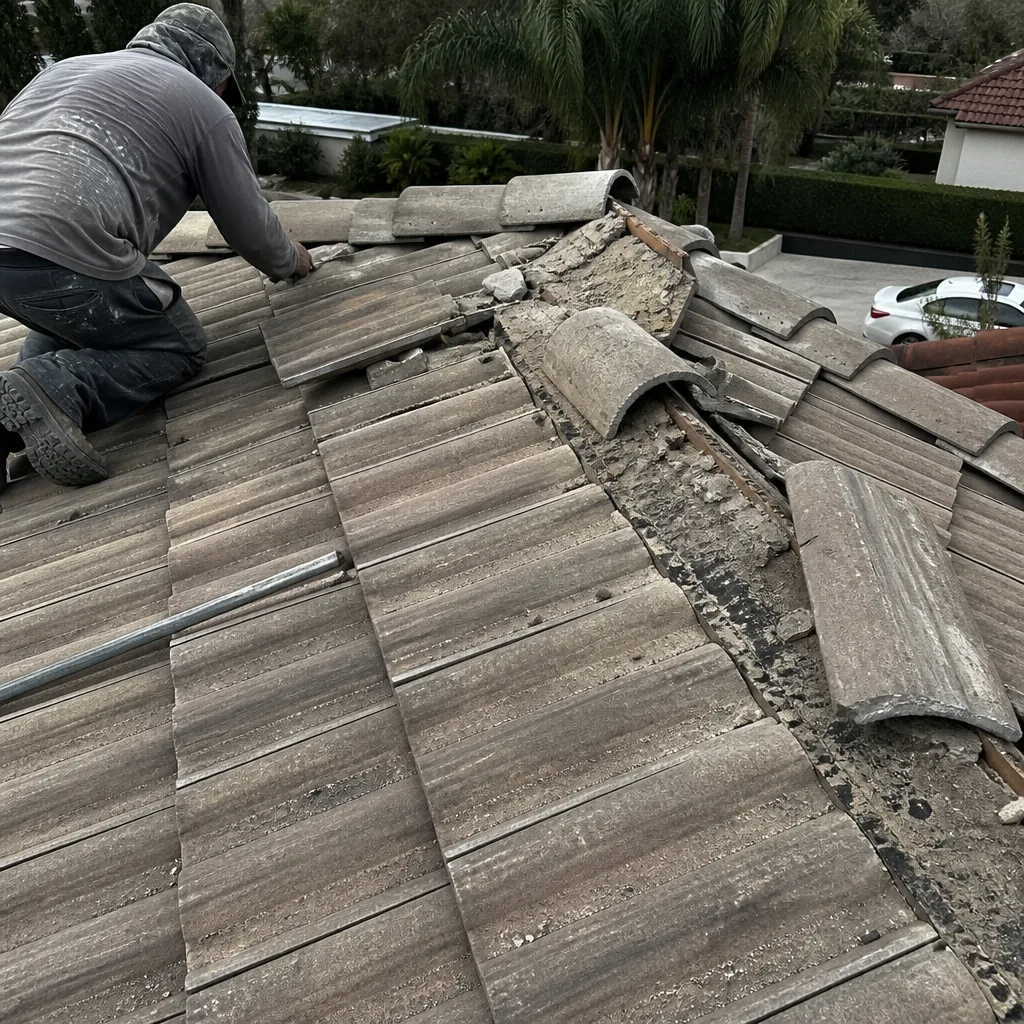 Before
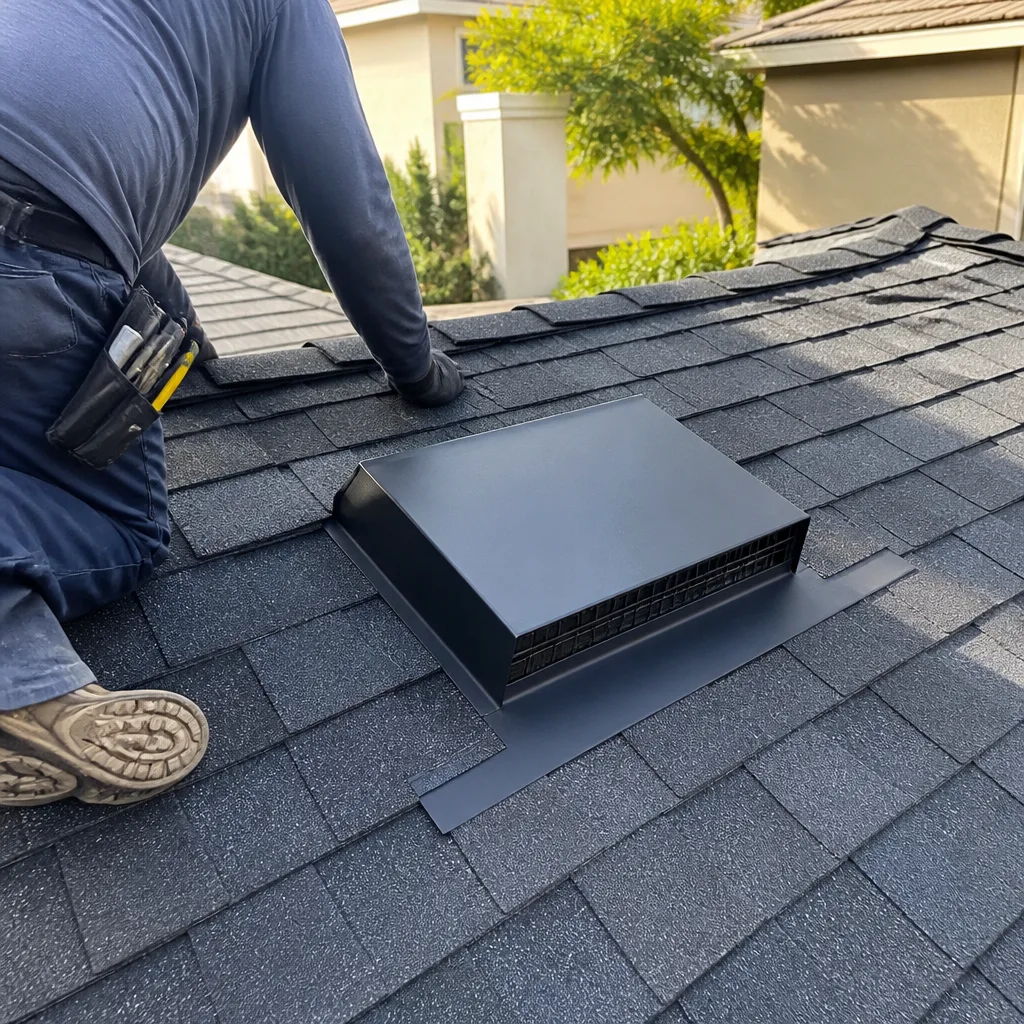 After
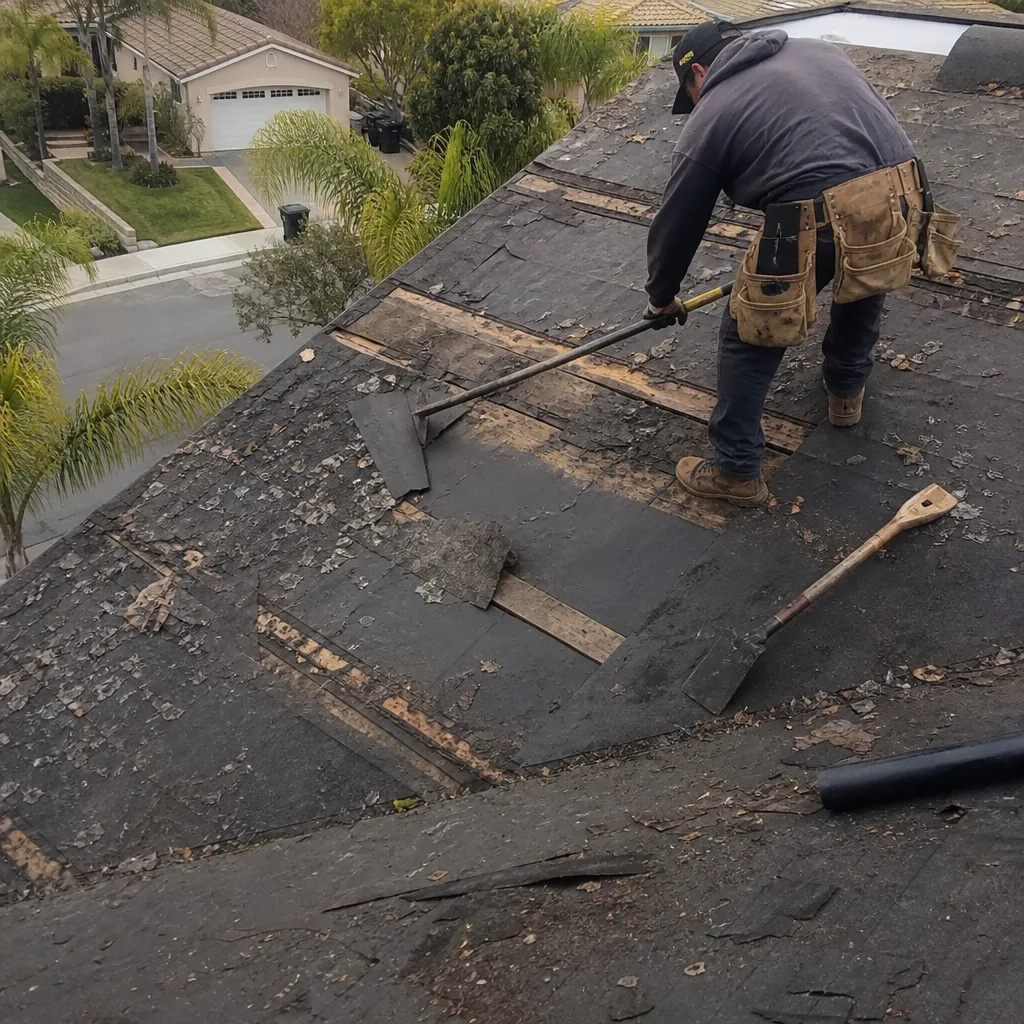 Before
 After
 Before
 After